
TL;DR: Keeping a car on the road for a decade or more isn’t just about luck; it’s about commitment. While modern vehicles are built to last longer than their predecessors, they still require consistent care to reach high mileage milestones without major mechanical failures.
Whether you are driving a paid-off sedan you hope to keep forever or an older truck you need for work, understanding the mechanics of longevity is essential. By adopting a proactive mindset toward maintenance and driving habits, you can squeeze every last mile out of your investment while keeping your daily commute safe and reliable.
Key Takeaways:
- Routine rules: Sticking to a maintenance schedule—especially oil changes and fluid checks—is the single most effective way to keep an engine running past 200,000 miles.
- Small fixes matter: Ignoring minor noises or dashboard lights often leads to catastrophic (and expensive) failures later.
- Drive gently: Aggressive braking and acceleration accelerate wear on every major system in your vehicle.
- Know when to fold: If repair costs exceed the vehicle’s value or safety is compromised, it’s time to let go.
- Local option: If your car has reached the end of the road in Cincinnati, you can turn it into instant cash.
Table of Contents
- Introduction
- The Importance of Regular Maintenance
- Driving Habits That Impact Vehicle Longevity
- Essential Tips for Long-Term Vehicle Care
- Recognizing Early Warning Signs
- Final Thoughts on Maximizing Your Vehicle’s Lifespan
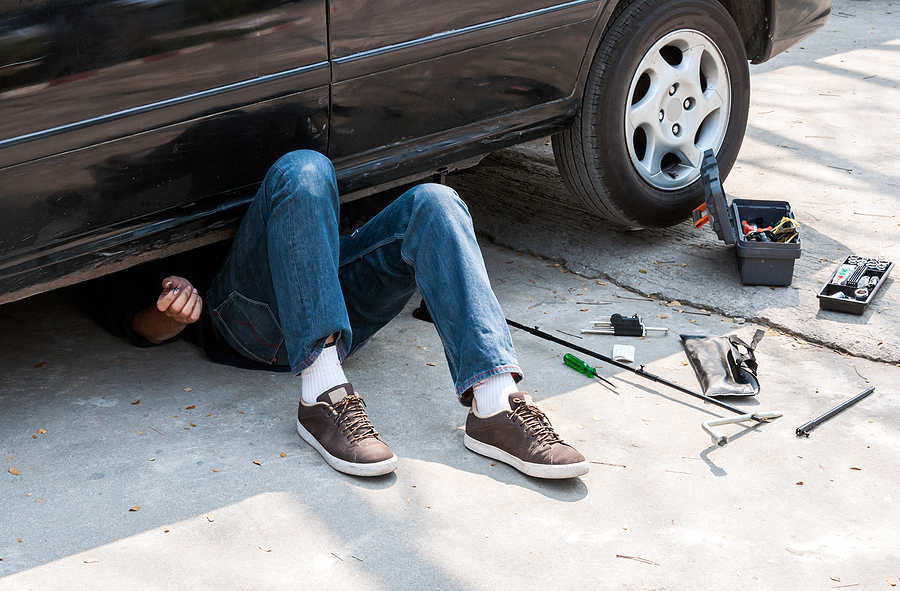
Why Bother Extending the Life of an Old Car?
In an era of shiny new models and advanced tech features, the humble older car often gets overlooked. However, holding onto your current vehicle offers significant financial and environmental advantages.
The most immediate benefit is the absence of a car payment. The average monthly payment for a new vehicle has skyrocketed, often exceeding $700. By maintaining your current car, you redirect those funds into savings, investments, or other debt repayment. Furthermore, new cars depreciate rapidly—losing up to 20% of their value in the first year alone. An older car has already taken that hit, meaning your cost of ownership is largely limited to fuel, insurance, and maintenance.
From an environmental perspective, keeping an old car running efficiently is a form of recycling. Manufacturing a new vehicle requires a massive amount of energy and raw materials. By extending the life of your current vehicle, you delay that manufacturing footprint.
What Are the Key Maintenance Tasks?
You cannot expect a vehicle to last if you ignore its basic needs. Think of maintenance not as a chore, but as the health insurance plan for your car.
Regular Oil Changes
Oil is the lifeblood of your engine. It lubricates moving parts, reduces friction, and carries away heat. Over time, oil breaks down and becomes contaminated with dirt and metal shavings. According to the AAA, neglecting oil changes is a primary cause of premature engine failure. Whether your car requires synthetic or conventional oil, sticking to the manufacturer’s recommended interval (usually every 5,000 to 7,500 miles) is non-negotiable.
Fluid Health
Beyond oil, your car relies on a cocktail of fluids to function.
- Coolant: Prevents the engine from overheating and freezing. Old coolant can become acidic, eating away at your radiator and water pump.
- Transmission Fluid: Lubricates the complex gears in your transmission. If this fluid gets burnt or low, you risk a transmission failure—one of the most expensive repairs possible.
- Brake Fluid: Over time, brake fluid absorbs moisture from the air, which can corrode internal brake components and reduce stopping power.
Tire Maintenance
Tires are the only point of contact between your car and the road. Keeping them properly inflated prevents uneven wear and reduces the strain on your suspension components. Rotating your tires every 5,000 to 8,000 miles ensures they wear evenly, extending their lifespan and improving fuel economy.
Battery Care
A dead battery is an inconvenience; a dying battery can strain your alternator. Test your battery annually once it reaches three years of age. Clean any corrosion from the terminals to ensure a strong connection and reliable starts. Be sure to safely dispose old car batteries.
How Can Driving Habits Impact Vehicle Longevity?
Your car reacts to how you treat it. While you can’t control traffic or road conditions, you can control your inputs behind the wheel.
Aggressive driving—such as rapid acceleration and hard braking—places immense stress on the powertrain and suspension. It wears down brake pads faster, strains the transmission, and decreases fuel efficiency. Adopting a smooth driving style not only makes your ride more comfortable but also preserves the structural integrity of the vehicle components.
Additionally, consider how you handle idling. Contrary to old myths, modern fuel-injected engines do not need long warm-up periods in winter. In fact, the EPA advises that idling for long periods causes excess engine wear and wastes fuel. It is generally better to drive gently to warm up the engine rather than letting it sit idle.
What About Protecting Your Car from the Elements?
Rust is the silent killer of older vehicles, especially in regions that use road salt during winter. Salt accelerates corrosion, eating away at the body panels, exhaust system, and brake lines.
If possible, park your car in a garage or under a carport to shield it from UV rays, tree sap, and bird droppings, all of which damage the paint. If you must park on the street, consider using a high-quality car cover.
Regular washing is vital. It’s not just about vanity; washing removes corrosive salt and grime. Waxing your car at least twice a year provides a sacrificial layer of protection for your clear coat, keeping the metal underneath safe from the elements.
When Is It Time to Say Goodbye?
Despite your best efforts, every car eventually reaches a breaking point. Recognizing this moment is crucial for your wallet and your safety.
The general financial rule of thumb is to reconsider repairs if the cost approaches or exceeds the vehicle’s current market value. For example, spending $3,000 on a transmission for a car worth $2,500 rarely makes sense.
However, safety is the ultimate tiebreaker. If the vehicle has structural rust damage, unreliable brakes, or recurring stalling issues that mechanics cannot resolve, it is a liability. An unsafe car puts you, your passengers, and other drivers at risk.
What Are My Options for an Old Car?
When you decide it’s time to move on, you have several paths forward depending on the vehicle’s condition.
- Private Sale: If the car still runs well and looks decent, selling it privately usually yields the highest return.
- Trade-In: Dealerships offer convenience, allowing you to apply the value of your old car toward a new purchase, though usually at a lower value than a private sale.
- Donation: Many charities accept vehicle donations, which can provide a tax deduction and support a good cause.
- Cash for Junk Cars: If the car is non-running, damaged, or simply not worth fixing, the easiest route is often a junk car service. If you are in the Cincinnati area, you can get cash for junk cars in Cincinnati, Ohio. Cash is paid on the spot for all scrap vehicles, plus you get free haul-away, removing the hassle of towing it yourself.
FAQs
Does premium gas make my old car last longer?
Generally, no. Unless your owner’s manual specifically requires premium fuel (usually for high-performance engines), using it in a standard engine offers no benefit to longevity or performance.
How often should I change my air filter?
A clogged air filter restricts airflow to the engine, reducing performance. It’s best to check it at every oil change and replace it annually or every 12,000 to 15,000 miles.
Is it worth fixing the air conditioning on an old car?
This depends on your climate and budget. While not critical for the engine, a broken A/C can make the car miserable to drive, potentially causing you to give up on the vehicle sooner than necessary.
Can I switch to synthetic oil in an old car?
Yes. Synthetic oil offers better protection against engine wear and extreme temperatures. It is a smart upgrade for older engines to help keep internal components clean.
Quick Recap + Next Steps
Maintaining an older car requires attention to several key areas to ensure longevity and performance.
- Regular oil changes are crucial, and switching to synthetic oil can offer enhanced engine protection.
- Timing belt replacements at recommended intervals are essential to prevent costly engine damage.
- For comfort and usability, fixing a non-functional A/C might be worth the investment depending on your needs and climate.
By addressing these points, you can extend the life of your vehicle and enjoy a safer, smoother driving experience. However, if your vehicle has become a driveway ornament or the repair bills are piling up, don’t let it become a burden. Consider selling it for cash on the spot to a Cincinnati junk car buyer.
If you are looking for cash for junk cars in Cincinnati, Ohio, we are here to help. Cash paid on the spot for all scrap vehicles, plus free haul-away. Contact Us Today to clear up your space and put money back in your pocket.
Related Post: The Cheapest Ways to Extend the Life of Your Vehicle