Owning a Classic: Your Guide to Vintage Car Care

Owning a vintage vehicle is a unique experience. It’s more than just having a car; it’s preserving a piece of automotive history. The distinct design, the roar of the engine, and the connection to a bygone era bring a sense of pride and joy. But this joy comes with a responsibility. Proper maintenance is essential to keep your classic car running smoothly and looking its best for years to come.

A vintage car isn’t like a modern vehicle that you can take to any corner garage. It has specific needs and requires a delicate touch. Neglecting its care can lead to costly repairs and diminish its value and character. This guide will walk you through the essential maintenance tips to help you protect your investment and enjoy every moment behind the wheel.

Call 513-991-4776 to Reach Our Vintage Car Buyers in Cincinnati Ohio

Understanding Your Vintage Vehicle

Every classic car has its own story and personality. The first step in responsible ownership is to get intimately familiar with your specific make and model. This knowledge is your best tool for effective maintenance.

Know Your Make and Model

Begin by researching the history and common issues associated with your vehicle. Was it known for electrical problems? Are certain parts notoriously difficult to find? Joining online forums and car clubs dedicated to your specific model can provide a wealth of information from experienced owners who have faced similar challenges.

The Owner’s Manual is Your Bible

If your vehicle came with its original owner’s manual, consider it an invaluable resource. This book contains crucial information straight from the manufacturer, including recommended fluid types, maintenance schedules, and operating procedures. If you don’t have one, it’s worth searching for a reproduction or a digital copy online. It will provide a foundational understanding of your car’s specific needs.

Regular Maintenance Tasks

Consistent, routine maintenance is the foundation of keeping your vintage vehicle in top condition. These simple tasks, when performed regularly, can prevent major problems down the road.

Check and Change Fluids

Fluids are the lifeblood of your car. Unlike modern vehicles with sealed systems, vintage cars often require more frequent checks.

  • Oil: Check the oil level at least every few hundred miles. Vintage engines tend to consume more oil, and regular changes (typically every 3,000 miles or annually) are crucial to prevent engine wear.
  • Coolant: Overheating is a common enemy of classic cars. Regularly inspect the coolant level and check for leaks. Ensure you are using the correct type of coolant for your vehicle’s engine.
  • Brake Fluid: Brake fluid absorbs moisture over time, which can lead to brake failure. Check the fluid level and condition, and plan to flush and replace it every two years.

Inspect Belts and Hoses

The rubber components in your engine bay are susceptible to drying out and cracking with age. Regularly inspect all belts and hoses for signs of wear, such as cracks, brittleness, or softness. A failed belt or hose can leave you stranded and cause significant engine damage, so proactive replacement is key.

Maintain the Battery

If you don’t drive your classic car daily, the battery can lose its charge. A battery tender or trickle charger is a wise investment to keep the battery topped up and ready to go. Also, ensure the battery terminals are clean and free of corrosion, as this can prevent the car from starting.

Get a Free Offer for Your Old, Vintage Car!

Storage Best Practices

How you store your vintage vehicle is just as important as how you maintain it. Proper car storage protects it from the elements and preserves its condition, especially during long periods of inactivity.

Climate Control is Key

The ideal storage environment is a dry, temperature-controlled garage. Extreme temperatures and humidity can damage paint, rust metal, and degrade rubber and upholstery. If a climate-controlled space isn’t an option, do your best to keep the vehicle protected from direct sunlight, moisture, and temperature swings.

Cover it Correctly

Use a high-quality, breathable car cover. Plastic tarps can trap moisture against the car’s surface, which can lead to rust and paint damage. A soft, custom-fit cover will protect your vehicle from dust, debris, and scratches without harming the finish.

Prep for Long-Term Storage

If you plan to store your vehicle for several months, a few preparatory steps are necessary. Fill the gas tank to prevent moisture from accumulating and add a fuel stabilizer to keep the fuel from degrading. It’s also a good idea to change the oil before storage to remove contaminants that can damage the engine.

Finding the Right Mechanic

There will come a time when your vintage vehicle needs a repair that is beyond your skill set. Finding a mechanic you can trust is one of the most important aspects of classic car ownership.

Not every mechanic is equipped to work on a vintage car. These vehicles require specialized knowledge, specific tools, and a patient approach. Look for a mechanic or shop that specializes in classic cars or your specific make.

Ask for references, read reviews, and talk to other classic car owners in your area for recommendations. Building a relationship with a knowledgeable mechanic is an investment in your car’s future.

When It’s Time to Let Go of an Old Car

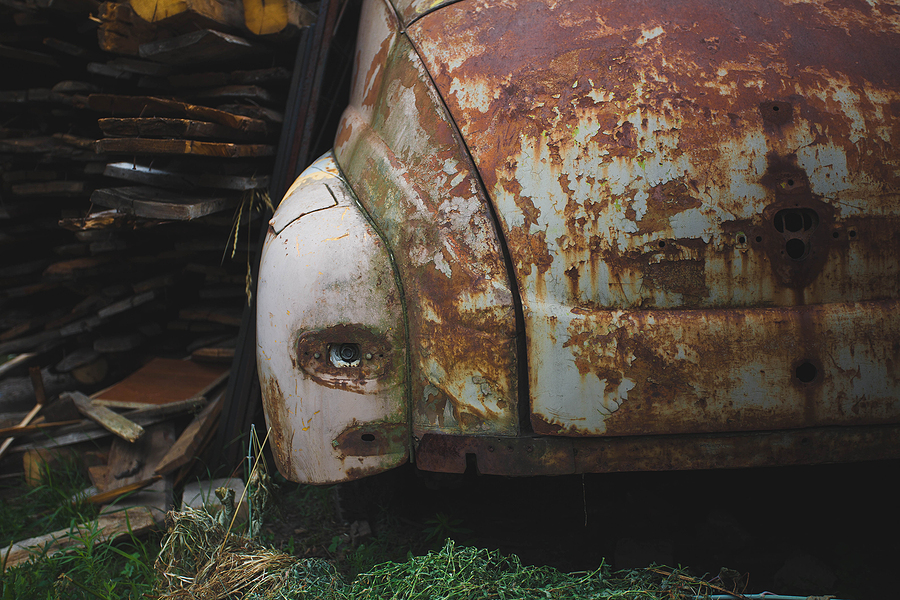
Despite your best efforts, there may come a point when a vintage vehicle is beyond reasonable repair. Rust can become too extensive, parts may be impossible to find, or the cost of restoration might far exceed the car’s actual cash value. Recognizing when it’s time to let go can be a difficult but necessary decision.

Signs that it might be time to scrap your vehicle include severe frame damage, widespread and irreparable rust, or an engine that has seized beyond repair. In these cases, the car may be more valuable as parts or scrap metal than as a whole vehicle.

Preserving Your Passion

Maintaining a vintage vehicle is a labor of love that rewards you with an unparalleled driving experience. By understanding your car, performing regular maintenance, and knowing when to seek expert help, you can ensure your classic remains a source of pride for many years. Each turn of the wrench and polish of the chrome is a step in preserving a piece of automotive art.

If your classic car project has reached the end of the road and you’re in the Cincinnati, Ohio area, we can help. Contact Us for a Free Offer for your junked, vintage or classic vehicle. We provide cash on the spot and free scrap car removal, making the process simple and hassle-free.

Call Now to Get a Quote

Related Post: How to Get the Most Money From Your Old Car at a Salvage Yard

Telltale Signs of Faulty Spark Plugs

A car engine is a complex system of moving parts, and its smooth operation depends on a tiny but crucial component: the spark plug. These small devices create the electrical spark needed to ignite the air-fuel mixture in your engine’s combustion chamber. Without a properly functioning spark plug, your vehicle’s performance can suffer significantly. Understanding the signs of faulty spark plugs is a fundamental aspect of car maintenance that can save you from costly repairs down the line.

Recognizing the symptoms early allows you to address the problem before it leads to more severe engine damage. This guide will walk you through the common indicators of failing spark plugs, from noticeable performance drops to specific visual cues. By learning how to identify and diagnose these issues, you can keep your engine running efficiently and reliably.

Call 513-991-4776 to Recycle Scrap Car Parts in Cincinnati

Common Signs of a Spark Plug Problem

When spark plugs begin to fail, your car will often give you clear signals. Paying attention to these symptoms is the first step in diagnosing the issue.

Engine Misfires and Rough Idling

One of the most frequent signs of faulty spark plugs is an engine misfire. A misfire occurs when one or more cylinders fail to ignite the fuel properly, which can feel like a stutter or hesitation as you drive. Similarly, you might notice your engine idling roughly, with vibrations shaking the vehicle when it’s stationary.

These issues happen because a worn or damaged spark plug cannot produce the consistent, strong spark required for smooth combustion. This can also trigger your “Check Engine” light, often with error codes like P0300 (Random/Multiple Cylinder Misfire) or P0301-P0308, indicating a misfire in a specific cylinder.

Poor Acceleration and Reduced Power

If your car feels sluggish or struggles to accelerate, failing spark plugs could be the culprit. A weak or inconsistent spark means the engine isn’t burning fuel efficiently, resulting in a noticeable loss of power. You might find that your vehicle doesn’t respond as quickly when you press the gas pedal, especially when trying to merge onto a highway or climb a hill. This reduction in performance directly impacts your driving experience and can be a clear indicator that your spark plugs need attention.

Decreased Fuel Efficiency

Are you making more frequent trips to the gas station? Faulty spark plugs can lead to a significant drop in fuel economy. When the air-fuel mixture doesn’t ignite completely due to a poor spark, your engine has to work harder to produce the same amount of power. This inefficiency means more fuel is consumed for every mile you drive. Tracking your vehicle’s MPG can be an effective way to spot underlying engine issues, including those related to your spark plugs.

How to Inspect and Test Spark Plugs

If you suspect a spark plug issue, a visual inspection and some basic diagnostic tests can help confirm your diagnosis.

Visual Inspection Guide

To inspect your spark plugs, you’ll need to remove them from the engine using a spark plug socket and a ratchet. Once removed, examine the firing end of each plug. A healthy spark plug should have a light tan or grayish-brown deposit on the insulator tip. Here are some signs of trouble:

  • Carbon Fouling: A dry, black, sooty deposit indicates a rich fuel mixture or weak ignition.
  • Oil Fouling: Oily, wet deposits suggest an oil leak into the combustion chamber, possibly from worn piston rings or valve seals.
  • Overheating: A white, blistered, or melted insulator points to an engine that is running too hot.
  • Worn Electrodes: The center and ground electrodes can erode over time, increasing the gap between them and weakening the spark. If the electrodes are rounded or thin, the plug is due for replacement.

Tools and Diagnostic Checks

For a more technical diagnosis, a few tools are necessary.

  • Feeler Gauge: This tool measures the gap between the spark plug’s electrodes. Each vehicle has a specific spark plug gap measurement recommended by the manufacturer. If the gap is too wide or too narrow, it can affect combustion.
  • Multimeter: You can use a multimeter to test the resistance of a spark plug. Set the multimeter to the ohms setting and place the probes on the terminal and the center electrode. A good spark plug will typically have a resistance between 4,000 and 8,000 ohms, though you should consult your vehicle’s service manual for exact specifications. An infinite reading suggests the plug is faulty.

When installing new spark plugs, it’s crucial to use a torque wrench to tighten them to the manufacturer’s specified torque. Over-tightening can damage the plug or the engine’s cylinder head, while under-tightening can lead to compression leaks.

Is Your Car Engine Repair Too Expensive? Click Here

Understanding Spark Plug Types

Not all spark plugs are created equal. The type of spark plug your car uses affects its performance and lifespan.

  • Copper: These are the most basic type, offering good performance but having the shortest lifespan, typically around 20,000 to 30,000 miles.
  • Platinum: Single and double platinum plugs offer a longer lifespan, often lasting up to 60,000 miles. They are more resistant to wear and provide a more consistent spark over time.
  • Iridium: These are the most durable and long-lasting spark plugs, capable of lasting 100,000 miles or more. They have a fine-wire center electrode that requires less voltage to create a spark, improving ignition efficiency and fuel economy.

Frequently Asked Questions (FAQs)

How often should I replace my spark plugs?

Replacement intervals vary by spark plug type and manufacturer. Copper plugs may need changing every 20,000 miles, while iridium plugs can last over 100,000 miles. Always check your vehicle’s owner’s manual for specific recommendations.

Can I drive with faulty spark plugs?

While you can technically drive with a faulty spark plug, it’s not recommended. It can lead to poor fuel economy, reduced engine performance, and potentially cause damage to your catalytic converter, which is an expensive repair.

What tools do I need to replace spark plugs?

You’ll typically need a ratchet, a spark plug socket, an extension, a feeler gauge, and a torque wrench.

How do I choose the right spark plugs for my car?

Consult your owner’s manual or an auto parts store to find the exact type and model of spark plug recommended for your vehicle’s make, model, and year.

How much does it cost to replace spark plugs?

The cost varies widely. If you do it yourself, you’ll only pay for the plugs, which can range from a few dollars to over $20 each. If you have a mechanic do it, labor costs can range from $100 to $300, depending on the vehicle and shop rates.

RECAP

Maintaining your spark plugs is a critical part of routine car maintenance. A healthy set of spark plugs ensures your engine runs smoothly, efficiently, and reliably. By learning to recognize the signs of faulty spark plugs—like engine misfires, poor acceleration, and decreased fuel efficiency—you can address issues before they escalate. Regular inspections and timely replacements will help preserve your engine’s health and keep your vehicle performing at its peak.

For more helpful guides on vehicle upkeep, explore more of our car care blogs. Got a junk car you want to get rid of? We’ll pay you cash on the spot and tow it away for free! Call Now for your offer!

Related Post: When Engine Work Costs More Than Your Ride: A Guide for Owners of Older Cars

What Proof of Ownership Do You Need to Scrap Your Car?

Scrapping your old vehicle can feel overwhelming, especially when you’re unsure about the paperwork required. Many car owners find themselves asking: “What documents do I actually need to legally scrap my car?” The answer isn’t always straightforward, but understanding Ohio’s requirements can save you time, money, and potential legal headaches.

Whether you’re dealing with a car that’s reached the end of its useful life or you’ve inherited a vehicle you don’t need, having the proper documentation is essential. Ohio law requires specific proof of ownership before any auto scrapyard can legally accept your vehicle. Without these documents, you risk facing fines, legal complications, and delays in getting cash for your junk car.

This guide will walk you through everything you need to know about proving ownership when scrapping a car in Cincinnati and throughout Ohio, helping you navigate the process with confidence.

Call 513-991-4776 if You are Looking For a Cincinnati Auto Scrapyard

Essential Documents for Proving Car Ownership

The Ohio Bureau of Motor Vehicles (BMV) recognizes two primary documents as acceptable proof of vehicle ownership when scrapping your car.

Vehicle Title

Your car title serves as the gold standard for proving ownership. This official document, issued by the Ohio BMV, contains crucial information including the vehicle identification number (VIN), your name as the owner, and any lienholder information. When you present a clear title to an auto scrapyard, you’re providing undisputable evidence of your legal right to dispose of the vehicle.

For the title to be valid for scrapping purposes, it must be properly signed and dated. If there are multiple owners listed, all parties typically need to sign unless the names are connected with “or” rather than “and.”

Vehicle Registration

While not as comprehensive as a title, current vehicle registration can sometimes serve as proof of ownership, particularly in specific circumstances. However, most reputable junk car buyers prefer the title as primary documentation. Registration alone may be acceptable if accompanied by additional supporting documents, but this varies by scrapyard policy.

What to Do When Your Car Title Is Lost or Missing

Losing your car title doesn’t mean you’re out of options. Ohio provides a straightforward process for obtaining a duplicate car title, though it does require some time and paperwork.

Steps to Replace a Lost Car Title in Cincinnati

First, you’ll need to complete Form BMV 4809, the Application for Certificate of Title to a Motor Vehicle. This form requires basic information about your vehicle, including the VIN, make, model, and year. You’ll also need to provide your driver’s license number and current address.

Next, gather the required fee, which is typically around $15 for a duplicate title. The Ohio BMV accepts cash, checks, and money orders for this transaction. Processing times usually range from 7 to 10 business days for standard requests.

You can submit your application at any Ohio BMV location, including those serving the Cincinnati area. Some locations also offer expedited processing for an additional fee if you need your duplicate title more quickly.

Required Documentation for Title Replacement

When applying for a duplicate title, you’ll need to bring proper identification, such as a valid driver’s license or state ID. If the vehicle has changed ownership recently, additional documentation may be required to verify your legal right to request the replacement.

Handling Special Ownership Situations

Not all vehicle ownership situations are straightforward. Certain circumstances require additional documentation or special procedures.

Inherited Vehicles

When you inherit a vehicle, the scrapping process becomes more complex. Ohio law requires specific documentation to prove your legal right to dispose of an inherited car. You’ll typically need the original title (if available), a copy of the death certificate, and documentation showing your legal right to handle the deceased person’s estate.

In some cases, you may need letters of administration or other probate court documents. The exact requirements depend on the value of the estate and whether formal probate proceedings are necessary. Consulting with the auto scrapyard beforehand can help clarify what documentation they’ll accept.

Vehicles with Existing Liens

Cars with outstanding loans present another layer of complexity. The title for these vehicles typically shows the lender as a lienholder, meaning you don’t have full ownership rights until the loan is satisfied.

If you want to scrap a car with a lien, you’ll generally need to pay off the remaining loan balance first. Once the loan is satisfied, the lender should provide you with a lien release document, allowing you to obtain a clear title. Some junk car buyers may work directly with lienholders, but this varies by company and situation.

Schedule Free Junk Car Removal Service Now

Consequences of Improper Documentation

Attempting to scrap a vehicle without proper proof of ownership can lead to serious legal and financial consequences under Ohio law.

Legal Penalties

Ohio Revised Code Chapter 4505 outlines specific penalties for improper vehicle title transfers and ownership documentation. Violations can result in fines ranging from hundreds to thousands of dollars, depending on the severity of the offense. In some cases, criminal charges may apply if authorities determine fraudulent intent.

Financial Risks

Beyond legal penalties, improper documentation can create ongoing financial liability. If you scrap a car without properly transferring the title, you may remain legally responsible for the vehicle. This could mean continued liability for accidents, parking tickets, or other issues involving the scrapped car.

Future Complications

Incomplete or improper documentation can also complicate future vehicle transactions. The Ohio BMV maintains detailed records, and irregularities in your vehicle history can cause delays or problems when buying, selling, or registering other vehicles.

How to Sell Your Car to an Auto Scrapyard

Once you have proper documentation, selling your junk car becomes a straightforward process.

Choosing a Reputable Scrapyard

Research is essential when selecting an auto scrapyard. Look for businesses with proper licensing, positive customer reviews, and transparent pricing policies. GC’s Junk Cars, for example, has built a reputation in the Cincinnati area for fair dealing and proper documentation handling.

Reputable scrapyards will always ask for proper ownership documentation upfront and should be able to explain their requirements clearly. Be wary of any buyer who seems unconcerned about titles or registration documents.

The Sale Process

The majority of legitimate junk car buyers follow a similar process. They’ll first verify your ownership documentation, then assess your vehicle’s condition to determine its scrap value. Factors affecting junk car value include the vehicle’s weight, current metal prices, and any salvageable parts.

After agreeing on a price, you’ll need to sign the title over to the buyer. This typically involves signing the back of the title and having your signature notarized, as required by Ohio law for most title transfers.

Required Disclosures

Ohio law requires specific disclosures when selling vehicles, even for scrap. You may need to provide information about the vehicle’s condition, any known defects, or environmental hazards. Reputable scrapyards will guide you through these requirements.

Final Thoughts

Understanding proof of ownership requirements is crucial for legally scrapping your vehicle in Ohio. Whether you have a clear title, need to obtain a duplicate, or are dealing with special circumstances like inheritance or liens, proper documentation protects you from legal complications and ensures you receive fair compensation for your junk car.

Remember that each situation is unique, and requirements may vary depending on your specific circumstances. When in doubt, consult with experienced professionals who understand Ohio’s vehicle laws and can guide you through the process safely.

Ready to turn that old car into cash? Get a Free Quote Now from GC’s Junk Cars and discover what your vehicle is worth. Our team understands Cincinnati’s requirements and can help ensure your car title transfer goes smoothly while maximizing your junk car value.

Call Now to Speak With a Buyer

Related Post: What Is a Car Title and Why Do I Need One in Ohio?

How to Find Local Car Recyclers in Cincinnati

When your car reaches the end of its life, it can feel like a burden sitting in your driveway. You might wonder what to do with it, how to dispose of it responsibly, and if it has any remaining value. Choosing the right car recycler is a significant decision, not just for your wallet, but for the environment as well. A reputable recycler ensures your vehicle is handled properly, with its materials reused and hazardous waste managed safely.

This guide will walk you through everything you need to know to find the best local car recyclers in Cincinnati, Ohio. We’ll cover the benefits of automotive recycling, what to look for in a recycler, and the key questions to ask to ensure you make an informed choice. By the end, you’ll be equipped to turn your old vehicle into an opportunity for both financial gain and environmental responsibility.

Call 513-991-4776 if You are Looking For Local Car Recyclers in Cincinnati Ohio

Why Recycle Your Old or Totaled Car?

Deciding to recycle your old car is a powerful choice with both environmental and economic advantages. It’s more than just getting rid of a junk car; it’s a contribution to a larger, sustainable cycle.

Each year in the United States, over 12 million vehicles are recycled, according to the Environmental Protection Agency (EPA). This massive effort keeps millions of tons of waste out of landfills. When a car is recycled, up to 80% of its materials by weight can be reclaimed and reused. This includes valuable scrap metal, plastics, and glass, which are then used to manufacture new products. This process significantly reduces the need to mine for new raw materials, which in turn conserves natural resources and lowers energy consumption.

Beyond the environmental impact, there’s a direct economic benefit for you. Junk car buyers offer cash for junk cars, providing a simple way to get money for a vehicle that is no longer roadworthy. This turns what seems like a worthless asset into a financial return, helping you recoup some of its junk car value.

What to Look for in a Car Recycler

Finding a trustworthy car recycler in Cincinnati requires a bit of research. Not all auto salvage yards operate with the same standards. Here are the key factors to consider to ensure you’re working with a reputable company.

Licensing and Certification

The most important factor is to confirm that the junk car buyer is properly licensed and certified. In Ohio, automotive scrappers must hold specific licenses to operate legally. These certifications ensure they adhere to state and federal regulations for vehicle dismantling and waste disposal.

Working with a licensed auto scrapyard protects you from potential legal issues and scams. Unlicensed operators may engage in unethical practices, offer unfairly low prices, or dispose of hazardous materials improperly. Always ask for proof of licensing before agreeing to any service.

Environmental Practices

Responsible automotive recycling is crucial for protecting the environment. A professional junk car recycling service will follow strict protocols for handling hazardous materials found in vehicles, such as battery acid, antifreeze, gasoline, and mercury. They will have a clear process for draining these fluids and disposing of them safely to prevent soil and water contamination.

Ask about their environmental policies and look for certifications like those from the Automotive Recyclers Association (ARA), which indicate a commitment to eco-friendly practices.

Customer Reviews and Reputation

A company’s reputation speaks volumes. Before contacting a local automotive recycling company, search for online reviews and testimonials from previous customers in the Cincinnati area. Websites like Google, Yelp, and the Better Business Bureau (BBB) can provide valuable insights into their reliability, customer service, and fairness.

Pay attention to feedback regarding the accuracy of quotes, the professionalism of the staff, and the ease of the pickup process. Consistent positive reviews are a strong indicator of a trustworthy business.

Range of Services

Top-tier car recyclers offer a comprehensive range of services that make the process convenient for you. Look for companies that provide:

  • Free Towing: Reputable junk car buyers will often offer free pick-up services, saving you the hassle and expense of transporting the vehicle.
  • On-the-Spot Payment: Many recyclers provide cash for junk cars at the time of pickup, making the transaction quick and simple.
  • Paperwork Assistance: The recycler should guide you through the necessary paperwork, such as transferring a car title, to ensure the process is legally sound.
  • Acceptance of All Conditions: A good auto salvage yard will typically accept vehicles in any condition, whether they’re running or not.

Receive a Same-Day Cash Offer for Your Car!

How to Find Junk Car Buyers in Cincinnati

Now that you know what to look for, here are a few practical ways to find reliable car recyclers in your area.

  • Online Search: A simple search for “car recyclers Cincinnati” or “cash for junk cars Ohio” will yield numerous options. Visit their websites to learn about their services, read their mission statements, and look for contact information and service areas.
  • Local Directories: Check online directories like the Yellow Pages or local business listings for automotive recycling and scrap metal recycling businesses.
  • Referrals: Ask friends, family, or local mechanics for recommendations. A personal referral can be one of the most reliable ways to find a trustworthy service provider.

Key Questions to Ask Your Recycler

Once you have a shortlist of potential recyclers, contact them and ask these important questions to finalize your decision:

  1. Are you a licensed and insured car recycler in Ohio? This should be your first question to ensure they operate legally.
  2. What is your process for handling hazardous materials? Their answer will reveal their commitment to environmental responsibility.
  3. How do you determine the junk car value? A transparent recycler will explain how they calculate their offer based on factors like weight, make, model, and current scrap metal prices.
  4. Are there any hidden fees for towing or other services? Reputable companies will be upfront in regards to all costs.
  5. What paperwork is required from me? They should clearly explain what you need to provide, such as the vehicle title and a form of identification.
  6. When will I receive payment? Clarify if payment is made on the spot or at a later time.

In Summary

Choosing the right car recycler in Cincinnati is a decision that benefits you and the community. By taking the time to research your options, you can ensure you get a fair price for your vehicle while supporting a business that prioritizes environmental protection and ethical practices. Your old car has one last important job to do—let a professional recycler help it do it right.

Ready to take the next step? Request a free junk car offer! Contact our certified local car recyclers in Cincinnati and responsibly dispose of your junk vehicle today. We pay cash on the spot and provide free junk car towing. No hidden fees—no runaround. Just fair offers and EPA-approved scrapping operations.

Call Now for Your Offer

Related Post: The Future of Cars: Driving Toward More Effective Auto Recycling

Tired of Dashboard Warnings? Best OBD-II Scanners for DIY Use

Those persistent dashboard warning lights can turn any peaceful drive into a source of anxiety. Whether it’s the dreaded check engine light or an unfamiliar symbol you’ve never seen before, these warnings often leave car owners feeling uncertain about their vehicle’s safety and reliability. Understanding what your car is trying to tell you doesn’t have to be a mystery—the right OBD-II scanner can transform those cryptic dashboard warnings into clear, actionable information.

Modern vehicles are equipped with sophisticated computer systems that monitor everything from engine performance to emissions levels. When something goes wrong, these systems generate diagnostic trouble codes that trigger dashboard warning lights. However, without the proper tools to read these codes, car owners are left guessing about the severity of the problem and whether it’s safe to continue driving.

An OBD-II scanner serves as your direct line of communication with your vehicle’s computer system, providing detailed information about what’s causing those repetitive dashboard warnings. This comprehensive guide will walk you through the top recommended OBD-II scanners, help you choose the right tool for your needs, and explain when it might be time to consider other options for your vehicle.

Call 513-991-4776 if You are Looking For Trusted Ohio Junk Car Buyers

What is an OBD-II Scanner?

An OBD-II (On-Board Diagnostics II) scanner is a diagnostic tool that connects to your vehicle’s computer system through a standardized port, typically located under the dashboard near the driver’s left knee. This device reads diagnostic trouble codes generated by your car’s various systems and translates them into understandable information about potential problems.

The OBD-II system became mandatory in all vehicles sold in the United States after 1996, making these scanners compatible with virtually every car, truck, and SUV on the road today. When your vehicle’s computer detects an issue—whether it’s a loose gas cap, faulty oxygen sensor, or more serious engine problem—it stores a specific code and illuminates the corresponding dashboard warning light.

These scanners range from basic code readers that simply display error codes to advanced diagnostic tools that provide live data, perform system tests, and offer repair suggestions. For car owners dealing with repetitive dashboard warnings, an OBD-II scanner eliminates the guesswork and provides concrete information about what needs attention.

Why Repetitive Dashboard Warnings Demand Attention

Repetitive dashboard warnings often indicate underlying issues that require prompt diagnosis and resolution. Many car owners make the mistake of ignoring these warnings, especially if their vehicle seems to run normally despite the illuminated lights. However, this approach can lead to more serious and expensive problems down the road.

Dashboard warning lights serve as your vehicle’s early warning system, alerting you to potential issues before they become major failures. For example, a check engine light might initially indicate a minor emissions problem, but ignoring it could eventually lead to catalytic converter damage—a repair that can cost thousands of dollars.

The uncertainty surrounding dashboard warnings creates significant anxiety for many drivers. Without knowing whether a warning indicates a critical safety issue or a minor maintenance concern, car owners often face difficult decisions about whether to continue driving or seek immediate professional help. This uncertainty can be particularly frustrating when warnings appear intermittently or seem to resolve themselves temporarily.

Top Recommended OBD-II Scanners

BlueDriver Bluetooth Pro

The BlueDriver Bluetooth Pro stands out as an excellent choice for car owners who want comprehensive diagnostic capabilities without the complexity of professional-grade equipment. This scanner leverages Bluetooth connectivity to wirelessly connect to your smartphone or tablet, transforming your mobile device into a powerful diagnostic tool.

Key Features:

  • Comprehensive diagnostics including ABS, airbag, and transmission codes
  • Wireless Bluetooth connection eliminates cable clutter
  • Live data monitoring for real-time vehicle parameter tracking
  • Access to repair reports and solutions through the accompanying app

Pros:

  • User-friendly mobile app interface
  • Extensive vehicle coverage including advanced systems
  • Regular software updates ensure compatibility with newer vehicles
  • Cloud-based repair database provides valuable troubleshooting information

Cons:

  • Requires a compatible smartphone or tablet
  • Higher price point compared to basic code readers
  • Battery life dependent on connected device

Innova 3100j

The Innova 3100j offers a perfect balance between functionality and affordability, making it an ideal choice for DIY enthusiasts and budget-conscious car owners. This scanner provides essential diagnostic capabilities while including several advanced features typically found in more expensive models.

Key Features:

  • Code severity levels help prioritize which issues need immediate attention
  • ABS code reading and clearing for brake system diagnostics
  • Battery and charging system testing capabilities
  • Large, easy-to-read LCD display

Pros:

  • Affordable price point makes it accessible to most car owners
  • Severity indicators help distinguish between critical and minor issues
  • Built-in battery and charging system tests add extra value
  • No smartphone required for operation

Cons:

  • Limited to basic OBD-II systems compared to more advanced scanners
  • Wired connection only
  • Smaller display may be difficult to read in bright sunlight

Autel MaxiCOM MK808

For car owners who want professional-level diagnostic capabilities, the Autel MaxiCOM MK808 delivers comprehensive system analysis and advanced service functions. This tablet-style scanner provides the most thorough diagnostic experience among our recommendations.

Key Features:

  • Full system diagnostics covering all available vehicle systems
  • Service functions including oil reset, EPB, and BMS procedures
  • Tablet design with intuitive color touchscreen interface
  • Extensive vehicle coverage including Asian, European, and domestic models

Pros:

  • Most comprehensive diagnostic capabilities
  • Professional-grade service functions typically only available at repair shops
  • Large, high-resolution display enhances usability
  • Regular software updates expand functionality

Cons:

  • Highest price point among recommended scanners
  • Learning curve required to utilize all available features
  • Larger size may be less convenient for occasional use

Request a Free Junk Car Appraisal Today!

How to Choose the Right OBD-II Scanner

Selecting the appropriate OBD-II scanner depends on several factors including your technical expertise, diagnostic needs, and budget considerations. Car owners dealing with occasional dashboard warnings may find a basic code reader sufficient, while those who prefer comprehensive vehicle monitoring might benefit from advanced diagnostic capabilities.

Consider your comfort level with technology when making your selection. Smartphone-connected scanners like the BlueDriver offer intuitive interfaces and access to repair databases, but they require a compatible mobile device. Traditional handheld scanners provide independence from other devices but may offer less detailed information and guidance.

Your vehicle’s age and complexity also influence scanner selection. Newer vehicles with advanced safety systems benefit from scanners capable of reading ABS, airbag, and transmission codes. Older vehicles may only require basic engine code reading capabilities, making simpler scanners more cost-effective choices.

Budget considerations extend beyond the initial purchase price. Some scanners require subscription services for software updates or access to repair databases, while others provide these features at no additional cost. Factor in long-term ownership costs when comparing different models.

When It’s Time to Consider Scrapping Your Vehicle

Sometimes, repetitive dashboard warnings indicate problems that exceed your vehicle’s actual cash value. When repair costs approach or exceed what your car is worth, it may be time to explore alternatives to expensive fixes. Understanding your options can help you make informed decisions about your vehicle’s future.

Selling for scrap offers the most straightforward solution for vehicles with extensive problems. Junk car buyers and auto salvage yards typically pay cash for vehicles regardless of their condition, basing their offers on the value of recyclable materials and usable parts. This option eliminates the stress of costly repairs while providing immediate financial return.

Private Sale (As-Is) allows you to potentially receive more money than scrap value by selling to someone willing to take on a project car. Full disclosure of all known issues protects you legally while giving the buyer realistic expectations about the vehicle’s condition.

Vehicle Donation provides tax benefits while helping charitable organizations. Many charities accept vehicles in any condition, handling the pickup and paperwork while providing documentation for tax deduction purposes.

Dealer Trade-In might offer some value even for problematic vehicles, especially when purchasing a replacement vehicle from the same dealer. While trade-in values are typically lower than private sales, the convenience and potential tax benefits make this option attractive for some car owners.

Wrapping Up

Repetitive dashboard warnings don’t have to be a source of ongoing stress and uncertainty. The right OBD-II scanner provides the information you need to understand what your vehicle is trying to tell you, whether it’s a simple maintenance reminder or a more serious mechanical issue requiring professional attention.

Consider your specific needs, technical comfort level, and budget when selecting a scanner from our recommended options. The BlueDriver Bluetooth Pro offers the best balance of features and usability for most car owners, while the Innova 3100j provides excellent value for budget-conscious buyers. Those wanting professional-level capabilities will find the Autel MaxiCOM MK808 delivers comprehensive diagnostic power.

Remember that even the best diagnostic tools can’t fix every problem, and some vehicles reach a point where continued repairs no longer make financial sense. If your OBD-II scanner reveals multiple serious issues or your car has become a constant source of expensive problems, selling your problematic car today might be the smartest financial decision you can make.

If you’re ready to part ways with your junk car and turn it into cash, we can help! Selling your car in Indianapolis has never been easier. Get a competitive cash offer for your vehicle today, no matter its condition. Contact us now to start the process—it’s fast, hassle-free, and puts cash in your pocket the same day.

Click Here to Call Now

Related Post: Understanding Dashboard Lights: When to Worry and What to Do

How to Recycle Old Catalytic Converters for Maximum Value

Your old catalytic converter might be sitting in storage, but it’s actually worth more than you think. These automotive components contain precious metals that can put money back in your pocket while benefiting the environment through proper recycling.

Whether you’re an auto repair shop owner dealing with used parts daily or a mechanic looking for additional income streams, understanding catalytic converter recycling can transform what seems like automotive waste into valuable resources. The process involves more than just dropping off old parts—it requires knowledge of identification, valuation, and legal compliance.

Catalytic converters serve as your vehicle’s emission control system, converting harmful pollutants into less toxic substances before they exit through your exhaust pipe. Inside these honeycomb-structured devices lie precious metals including platinum, palladium, and rhodium—materials that make these converters incredibly valuable in the scrap metal recycling market.

Call 513-991-4776 to Get a Quote From Our Scrap Catalytic Converter Buyers in Ohio

Why Catalytic Converter Recycling Matters for Ohio

Recycling catalytic converters creates significant environmental and economic benefits for Ohio communities. These components contain hazardous materials that shouldn’t end up in landfills, where they can leach into soil and groundwater systems.

The precious metal content makes catalytic converter recycling particularly attractive from a financial perspective. Current scrap metal prices reflect strong demand for platinum, palladium, and rhodium—metals essential for manufacturing new catalytic converters and various industrial applications.

Environmental responsibility drives much of the recycling industry’s growth. When you choose proper recycling over disposal, you prevent toxic materials from contaminating local ecosystems while supporting sustainable precious metal recovery practices.

Identifying Valuable Catalytic Converters

Not all catalytic converters carry the same precious metal recycling value. Learning to identify high-value units can significantly impact your returns from scrap metal recycling activities.

Vehicle Type and Age

Luxury vehicles and trucks typically contain catalytic converters with higher precious metal concentrations. Newer models often feature more sophisticated emission control systems, translating to increased catalytic converter value.

Physical Characteristics

Examine the converter’s size, weight, and construction materials. Heavier units usually contain more precious metals, while ceramic honeycomb interiors indicate higher-grade materials compared to metallic alternatives.

Manufacturer Markings

Look for stamped numbers, letters, or manufacturer codes on the converter’s exterior. These identifiers help recycling centers determine exact precious metal content and provide accurate pricing.

Serial Numbers

Document any visible serial numbers or identification codes. This information proves essential for legal compliance and ensures you receive appropriate compensation based on the converter’s actual value.

Where to Recycle Your Catalytic Converters

Ohio offers multiple options for catalytic converter recycling, each with distinct advantages depending on your specific needs and location.

Local Metal Recycling Centers

Established scrap metal recycling facilities provide transparent pricing and immediate payment for catalytic converters. These centers typically offer competitive scrap metal prices and handle all necessary documentation for legal compliance.

Online Buyers

Digital platforms connect sellers with specialized catalytic converter recyclers nationwide. Online buyers often provide shipping materials and detailed valuation processes, making them convenient for Ohio residents in rural areas.

Get Your Automotive Scrap Appraised Today!

Financial Benefits and Market Trends

The precious metal recycling market directly influences catalytic converter value, creating opportunities for substantial returns on seemingly worthless automotive waste.

Current market conditions show strong demand for platinum, palladium, and rhodium across multiple industries. Automotive manufacturers require these metals for new catalytic converter production, while electronics and jewelry industries compete for limited supplies.

Price Volatility Considerations

Precious metal prices fluctuate based on global supply and demand factors. Monitoring market trends helps you time your catalytic converter recycling activities for maximum financial benefit.

Volume Advantages

Auto repair shops and mechanics handling multiple converters simultaneously often negotiate better scrap metal prices due to volume considerations. Building relationships with recycling centers can lead to preferential pricing arrangements.

Quality Assessment Impact

Higher-grade catalytic converters from luxury vehicles or newer models command premium prices. Understanding how recyclers assess precious metal content helps you set realistic expectations for different converter types.

Legal Requirements in Ohio

Ohio has implemented specific regulations governing catalytic converter recycling to combat theft and ensure proper documentation of all transactions.

Identification Requirements

Sellers must provide valid government-issued identification and complete transaction records. This documentation helps recycling centers verify legitimate ownership and maintain compliance with state regulations.

Vehicle Information

Many facilities require information about the vehicle from which the catalytic converter was removed. This includes make, model, year, and VIN when available, creating a clear chain of custody.

Transaction Recording

Licensed recycling facilities maintain detailed records of all catalytic converter purchases, including seller information, converter descriptions, and transaction amounts. These records help prevent illegal activity and protect legitimate recyclers.

Local Ordinance Variations

Regulations may vary between Ohio cities and counties. Check with local authorities to understand specific requirements in your area before attempting to recycle catalytic converters.

Penalties for Violations

Selling catalytic converters removed from stolen vehicles constitutes a felony in Ohio. Ensure you only recycle converters from vehicles you own or have explicit permission to dismantle.

RECAP

Catalytic converter recycling represents a win-win opportunity for Ohio’s automotive professionals and environmentally conscious residents. The combination of precious metal value, environmental benefits, and legal income generation makes this recycling practice both profitable and responsible.

Understanding proper identification, valuation, and legal compliance ensures you maximize returns while contributing to sustainable precious metal recovery. Whether you’re managing an auto repair shop or working as an independent mechanic, catalytic converter recycling can provide meaningful additional income streams.

Ready to turn your old auto parts into cash? Contact us today to inquire about our car part recycling services in Cincinnati, Ohio. We’ll help you navigate the process while ensuring full legal compliance with state regulations. Apologies-we do not accept catalytic converters or tires. We do buy metal wheels and rims.

Speak With an Auto Scrapper Now

Related Post: The Ultimate Guide to Recycling Auto Parts

Driving a Gas Guzzler? Learn How to Boost Fuel Efficiency

Watching your fuel gauge drop faster than your bank account balance can be frustrating, especially when you’re driving an older vehicle. Your trusty Honda Civic or Ford F-150 that once delivered decent gas mileage now seems to visit gas stations more often than you’d like. Rising fuel costs eating into your budget makes every trip feel expensive, while the nagging worry about unexpected auto repair bills adds stress to an already challenging situation.

Poor fuel efficiency in older cars isn’t just about age—it’s about maintenance. A study by the National Institute for Automotive Service Excellence (ASE) found that 9 out of 10 vehicles suffer from poor maintenance, leading to reduced fuel economy. Understanding the common causes behind declining gas mileage and knowing which issues you can tackle yourself versus when to seek professional help can save you both money and headaches.

This guide will walk you through the most frequent culprits behind poor fuel efficiency, practical DIY solutions you can implement, and clear indicators of when it’s time to visit a mechanic or just scrap the vehicle. By addressing these issues systematically, you can restore your vehicle’s performance and keep more money in your pocket.

Call 513-991-4776 to Junk an Old Car for Cash in Cincinnati Ohio

Common Causes of Poor Fuel Efficiency

Worn Spark Plugs

Spark plugs ignite the fuel-air mixture in your engine’s cylinders. When they become worn or fouled, your engine works harder to maintain performance. This inefficiency translates directly to increased fuel consumption. Signs of worn spark plugs include rough idling, engine misfiring, and difficulty starting your vehicle.

Most spark plugs should be replaced every 30,000 to 100,000 miles, depending on the type. Older vehicles like the Pontiac Sunfire or Geo Tracker often use conventional spark plugs that require more frequent replacement than modern platinum or iridium versions.

Clogged Air Filter

Your engine needs a precise balance of air and fuel to operate efficiently. A dirty air filter restricts airflow, forcing your engine to work harder and consume more fuel. This is particularly common in older vehicles that have accumulated years of dust, debris, and environmental contaminants.

Checking your air filter is simple—remove it from the air filter housing and hold it up to light. If light doesn’t pass through easily, it’s time for a replacement.

Faulty Oxygen Sensor

The oxygen sensor monitors exhaust gases to ensure your engine maintains the optimal fuel-to-air ratio. When this sensor fails, your engine management system can’t make proper adjustments, often resulting in a rich fuel mixture that wastes gas.

A failing oxygen sensor can reduce fuel efficiency by up to 40%. Warning signs include a check engine light, rough idling, and failed emissions tests.

Old or Incorrect Engine Oil

Engine oil lubricates moving parts and reduces friction. Old, thick oil or using the wrong viscosity forces your engine to work harder, consuming more fuel. Many older vehicles like the Toyota Tacoma benefit from regular oil changes using the manufacturer-specified oil weight.

Dirty oil also loses its ability to properly seal engine components, leading to reduced compression and efficiency.

Tire Issues

Underinflated tires create more rolling resistance, forcing your engine to work harder to maintain speed. Even slightly low tire pressure can significantly impact fuel efficiency. Additionally, worn tires or misaligned wheels can create drag that reduces gas mileage.

Check your tire pressure monthly and ensure it matches the manufacturer’s specifications found on your driver’s side door jamb or owner’s manual.

Dirty Fuel Injectors

Fuel injectors spray precise amounts of fuel into your engine’s cylinders. Over time, they can become clogged with deposits, disrupting the spray pattern and fuel delivery. This causes your engine to compensate with additional fuel, reducing efficiency.

Symptoms of dirty fuel injectors include rough idling, engine hesitation, and decreased acceleration performance.

Get Rid of Your Old Car for Cash Money! 💸

DIY Solutions for Better Gas Mileage

Replacing Spark Plugs and Air Filter

These maintenance tasks are among the most cost-effective ways to improve fuel efficiency. Most car owners can replace spark plugs and air filters with basic tools and about an hour of time.

For spark plug replacement, ensure you use the correct type and gap specified in your owner’s manual. When installing new plugs, hand-tighten them first, then use a torque wrench to achieve the proper tightness—over-tightening can damage the threads.

Air filter replacement is even simpler. Locate the air filter housing, typically a rectangular or circular box near the engine, remove the old filter, and install the new one. Ensure the filter sits properly in its housing to prevent unfiltered air from entering your engine.

Checking and Correcting Tire Pressure

Proper tire pressure is crucial for optimal fuel efficiency. Use a quality tire pressure gauge to check all four tires when they’re cold—preferably before driving or after the vehicle has been parked for several hours.

Inflate tires to the manufacturer’s recommended pressure, not the maximum pressure listed on the tire sidewall. This specification accounts for your vehicle’s weight distribution and handling characteristics.

Using Fuel Injector Cleaner

Pour a quality fuel injector cleaner into your gas tank according to the product instructions. These additives can help dissolve deposits and restore proper spray patterns. While not a permanent solution for severely clogged injectors, regular use can prevent buildup and maintain efficiency.

Choose cleaners from reputable brands and avoid products that promise unrealistic results. Quality fuel injector cleaners typically cost $10-15 and should be used every 3,000-5,000 miles.

When to See a Mechanic

Complex Diagnostic Issues

Some fuel efficiency problems require professional diagnostic equipment to identify. Modern scan tools can read error codes, monitor sensor data, and perform system tests that aren’t possible with basic tools. If you’ve addressed the common issues but still experience poor gas mileage, professional diagnostics can pinpoint more complex problems.

Expensive Auto Repair Bill Prevention

While the thought of mechanic visits might trigger concerns about expensive auto repair bills, addressing efficiency problems early often prevents costlier repairs later. A failing oxygen sensor costs $200-400 to replace, but ignoring it can damage your catalytic converter—a repair that can cost $1,000 or more, which is so expensive that it can sometimes render an old car a total loss vehicle.

Transmission and Engine Issues

Poor fuel efficiency sometimes indicates transmission problems or internal engine wear. These issues require specialized knowledge and tools to diagnose and repair properly. Symptoms like transmission slipping, unusual engine noises, or excessive exhaust smoke warrant immediate professional attention.

A reputable mechanic will explain diagnostic findings clearly and provide written estimates before performing major repairs. Don’t hesitate to seek a second opinion for expensive repairs.

Gas Saving Tips for Long-Term Efficiency

Regular Maintenance Schedule

Establish a consistent maintenance routine based on your vehicle’s age and mileage. Old car care requires more frequent attention than newer vehicles. Create a schedule for oil changes, filter replacements, and system inspections.

Keep maintenance records to track patterns and identify recurring issues before they become major problems.

Driving Habits

Your driving style significantly impacts fuel efficiency. Aggressive acceleration, excessive speeding, and frequent hard braking can reduce gas mileage by 10-40% (U.S. Department of Energy). Maintain steady speeds, anticipate traffic conditions, and use cruise control on highways when appropriate.

Seasonal Considerations

Cold weather reduces fuel efficiency as engines take longer to reach optimal operating temperature. Allow your engine to warm up briefly, but avoid extended idling. Remove excess weight from your vehicle and ensure your cooling system is properly maintained to prevent overheating in summer months.

In Summary

Poor fuel efficiency in older vehicles stems from identifiable, often correctable issues. By systematically addressing worn spark plugs, clogged filters, and other common problems, you can significantly improve your gas mileage while avoiding expensive auto repair bills down the road.

Regular maintenance prevents minor issues from becoming major expenses. Whether you choose to tackle basic maintenance yourself or work with a trusted mechanic, staying proactive about your vehicle’s needs pays dividends at the pump and in reliability.

Your older Honda Civic or Ford F-150 can still deliver respectable fuel economy with proper care. Start with the simple fixes—check your air filter, verify tire pressure, and consider your last spark plug replacement. These small investments in time and maintenance can restore efficiency and extend your vehicle’s useful life.

Ready to learn more about keeping your older vehicle running efficiently? Read our other car care blogs for comprehensive guides on maintenance, troubleshooting, and smart repair strategies. Looking to scrap an old car? Get a free cash offer, now!

Click Here to Start Your Quote

Related Post: Maintenance Tips for a High Mileage Car

Cash In: Precious Metals in Old Cars

Your old car sitting in the driveway might be worth more than you think. While that rusted vehicle may seem like nothing but scrap metal, it actually contains valuable precious metals that could put cash in your pocket. Understanding what makes your junk car valuable—and where to find reputable junk car buyers—can help you maximize your return when it’s time to sell.

Precious metals like platinum, palladium, rhodium, gold, and silver are essential components in modern vehicles. These metals serve critical functions, from reducing emissions to enabling electronic systems. When your car reaches the end of its road life, these valuable materials don’t disappear—they become opportunities for both environmental stewardship and financial gain through car recycling.

The junk car parts market has evolved significantly, with recyclers now equipped to extract and refine these precious metals efficiently. This creates a win-win situation: you receive cash for junk cars while contributing to sustainable resource management. Let’s explore how to identify the hidden treasure in your old vehicle and navigate the process of turning it into profit.

Call 513-991-4776 to Get a Quote From Our Licensed Junk Car Buyers in Cincinnati

Identifying Junk Cars with High Precious Metal Content

Not all vehicles contain the same amount of precious metals. Several factors influence the junk car value, including the car’s age, make, model, and installed systems. Vehicles manufactured after 1975 are required to have catalytic converters, making them automatically more valuable for precious metal recycling.

Luxury vehicles typically contain higher concentrations of precious metals due to their advanced electronic systems and superior emission control technology. Cars equipped with anti-lock braking systems (ABS), electronic fuel injection, and sophisticated entertainment systems generally yield more valuable materials.

The condition of your vehicle also matters. While a car may be considered “junk” for driving purposes, its precious metal content remains intact regardless of exterior rust or mechanical failures. Even severely damaged vehicles retain their valuable catalytic converters and electronic components, making them attractive to specialized junk car buyers.

Types of Precious Metals Found in Vehicles

Platinum

Platinum serves as a crucial catalyst in reducing harmful emissions. This silvery-white metal is particularly valuable due to its resistance to corrosion and high melting point. Diesel vehicles typically contain more platinum than gasoline engines, as diesel catalytic converters require higher concentrations for effective emission control.

Palladium

Gasoline engines rely heavily on palladium for their catalytic converters. This metal has seen significant price fluctuations in recent years, sometimes surpassing gold in value. The automotive industry consumes approximately 80% of the world’s palladium supply, highlighting its importance in vehicle manufacturing.

Rhodium

Often the most expensive precious metal found in cars, rhodium works alongside platinum and palladium to reduce nitrogen oxide emissions. Even small amounts of rhodium can significantly increase your junk car’s value, as this metal commands premium prices in the recycling market.

Gold and Silver

These metals appear primarily in electronic components throughout the vehicle. Gold’s excellent conductivity and corrosion resistance make it ideal for circuit boards, connectors, and sensors. Silver, while less valuable per ounce, appears in larger quantities in various electrical applications.

Where to Find Precious Metals in Your Vehicle

Catalytic Converter

The catalytic converter represents the most concentrated source of precious metals in any vehicle. Located between the engine and muffler, this emissions control device contains a honeycomb structure coated with platinum, palladium, and rhodium. The exact composition varies by manufacturer and engine type.

Older model Volvos are particularly valuable due to their catalytic converters’ high platinum content. BMWs from the late 90s and early 2000s often contain substantial palladium concentrations. Certain Toyota models, especially the Prius, may have catalytic converters with elevated rhodium content, contributing significantly to their recycling value.

Electronic Components

Modern vehicles contain dozens of electronic control units, sensors, and circuit boards. These components use gold plating to ensure reliable electrical connections and prevent corrosion. Luxury cars like Mercedes-Benz and Lexus typically have more sophisticated electronic systems, translating to higher precious metal content.

Vehicles equipped with ABS systems contain sensors with small amounts of gold and silver. Navigation systems, premium audio equipment, and advanced safety features all contribute additional precious metal content to your vehicle’s overall value.

Wiring and Connections

While copper dominates automotive wiring, precious metals appear in critical connections and specialized applications. High-end vehicles often use silver-plated contacts in switches and relays, while gold plating protects important electrical connections from environmental damage.

Request a Free Quote for Your Junk Car! 🧾

The Recycling Process: Extracting and Refining

Professional car recycling facilities use sophisticated processes to extract precious metals from junk car parts. The process begins with careful dismantling, where trained technicians remove catalytic converters and electronic components containing valuable materials.

Catalytic converters undergo specialized processing where the ceramic honeycomb structure is crushed and processed through high-temperature furnaces. This process separates the precious metals from the ceramic substrate, allowing for purification and refinement. The extracted metals are then sold to manufacturers for use in new products.

Electronic components follow a different path, often requiring careful disassembly to separate precious metal-containing parts from other materials. Advanced recycling facilities use chemical processes and specialized equipment to recover gold, silver, and other valuable metals from circuit boards and connectors.

Environmental and Economic Benefits of Recycling

Recycling precious metals from junk cars provides substantial environmental advantages. This process reduces the need for new mining operations, which helps preserve natural habitats and prevents deforestation. Mining precious metals requires extensive earth movement and can disrupt entire ecosystems.

The energy conservation benefits are equally impressive. Recycling metals requires significantly less energy than extracting them from ore, resulting in lower greenhouse gas emissions and a reduced carbon footprint. This energy efficiency translates to both environmental and economic benefits for the recycling industry.

Preventing harmful chemicals from entering the environment represents another crucial benefit. Proper car recycling ensures that catalytic converters and electronic components are processed safely, protecting soil and water quality. This responsible approach promotes sustainability by keeping valuable resources in circulation rather than buried in landfills.

Legal and Ethical Considerations

Before selling your vehicle for precious metal recycling, verify that you have legal ownership rights. Possession of the vehicle title is typically required to complete any sale transaction. Without proper documentation, reputable junk car buyers cannot legally purchase your vehicle.

Complete all necessary paperwork accurately, including bills of sale and transfer documents. Different states have varying requirements for vehicle transfers, so familiarize yourself with local regulations before beginning the selling process.

Environmental regulations govern the disposal of automotive hazardous materials. Ensure that your chosen recycling facility adheres to local and federal environmental standards. Licensed recyclers follow strict protocols for handling fluids, batteries, and other potentially dangerous substances.

Understanding reporting requirements helps avoid legal complications. Some jurisdictions require notification when vehicles are sold for scrap or recycling. Verify that your selected recycling facility maintains proper licensing and permits for handling automotive waste materials.

Tips for Maximizing Your Junk Car’s Value

Research current precious metal prices before selling your vehicle. Market values fluctuate regularly, and timing your sale during favorable market conditions can increase your return. However, storage costs and continued depreciation may offset potential gains from waiting.

Obtain quotes from multiple junk car buyers to ensure competitive pricing. Different facilities may specialize in certain vehicle types or have varying capabilities for precious metal extraction. Companies like GC’s Junk Cars in Cincinnati, Ohio, can provide professional evaluations and fair pricing for your vehicle.

Keep your vehicle’s documentation organized and readily available. Having the title, registration, and maintenance records demonstrates legitimate ownership and can streamline the selling process. Some buyers may offer higher prices for vehicles with complete documentation.

Consider the timing of your sale. End-of-year periods often see increased activity in the recycling market as companies seek to meet annual targets. However, don’t delay unnecessarily, as deteriorating conditions may reduce your vehicle’s overall value.

RECAP

The precious metals hidden in your junk car represent a valuable opportunity that shouldn’t be overlooked. From platinum-rich catalytic converters to gold-plated electronic components, your old vehicle contains materials that retain significant worth long after the engine stops running.

Understanding which vehicles contain the most valuable materials, where to find these precious metals, and how the recycling process works empowers you to make informed decisions about selling your junk car. The environmental benefits of responsible recycling add meaning to the transaction, knowing that your decision contributes to sustainable resource management.

Working with reputable, licensed recyclers ensures that you receive fair compensation while meeting all legal requirements. The combination of immediate cash payment and positive environmental impact makes selling your junk car for precious metal recycling a smart choice.

Contact GC’s Junk Cars today for a free quote on your junk car and discover how much cash those hidden precious metals can put in your pocket. We pay cash on the spot and tow away cars for free.

Request a Free Offer Now

Related Post: How the Scrap Metal Market Impacts the Value of Junk Cars

Essential Tips for Taking Care of Your Car Tires

Your tires are the only part of your vehicle that touches the road, yet they’re often the most overlooked component when it comes to regular maintenance. Proper tire care isn’t just about extending the life of your tires—it’s about protecting your safety, improving your vehicle’s performance, and saving money in the long run.

Whether you’re a new car owner learning the basics or a seasoned driver looking to maximize your tire investment, understanding tire maintenance is essential. From checking tire pressure to recognizing dangerous wear patterns, the knowledge you gain from proper tire care can prevent costly repairs, improve fuel efficiency, and most importantly, keep you and your passengers safe on the road.

This comprehensive guide will walk you through everything you need to know about tire maintenance, from basic inspection techniques to knowing when it’s time to call a professional.

Call 513-991-4776 to Get a Free Offer For Your Old Car Parts in Cincinnati Ohio

Understanding Tire Components: The Anatomy of Safety

Before diving into tire maintenance, it’s helpful to understand what you’re working with. Your tire consists of several critical components that work together to provide traction, support, and durability.

The tread is the rubber surface that contacts the road, featuring grooves and patterns designed to channel water away and provide grip. The sidewall contains important information about your tire’s specifications and protects the internal structure. Inside, steel belts and fabric layers provide strength and flexibility.

Understanding these components helps you identify potential problems during inspections. Damage to any part of your tire can compromise its integrity and your safety.

Checking Tire Pressure: The Foundation of Tire Care

Maintaining proper tire pressure is perhaps the most important aspect of tire maintenance. Under-inflated tires can cause excessive wear, poor fuel economy, and dangerous blowouts, while over-inflated tires can lead to reduced traction and uneven wear patterns.

Check your tire pressure at least once a month using a reliable tire gauge. You’ll find the recommended pressure listed on a sticker inside your driver’s door jamb or in your owner’s manual—not on the tire sidewall, which shows the maximum pressure.

Always check tire pressure when tires are cold, as driving heats up the tires and increases pressure readings. If you must check after driving, add 4-6 PSI to the recommended cold pressure for an accurate reading.

Tire Rotation: Extending Your Investment

Regular tire rotation helps ensure even wear across all four tires, maximizing their lifespan and maintaining consistent traction. Most vehicles should have their tires rotated every 5,000 to 8,000 miles, though you should consult your owner’s manual for specific recommendations.

The rotation pattern depends on your tire type and vehicle configuration. Front-wheel-drive cars typically use a forward cross pattern, while rear-wheel-drive vehicles often use a rearward cross pattern. All-wheel-drive vehicles may require a different approach entirely.

If you’re comfortable with basic car maintenance, tire rotation is a task you can handle yourself with a jack, jack stands, and a lug wrench. However, many tire shops offer rotation services at reasonable prices.

Recycle Old Car Wheels and Rims for Cash! 🛞 ♻

Wheel Alignment and Balancing: Ensuring Smooth Performance

Proper wheel alignment ensures your tires make optimal contact with the road surface. Misalignment can cause rapid, uneven tire wear and affect your vehicle’s handling. Signs of alignment issues include your car pulling to one side, uneven tire wear, or a steering wheel that’s off-center when driving straight.

Wheel balancing addresses weight distribution around the tire and wheel assembly. Unbalanced wheels can cause vibrations, especially at highway speeds, and lead to premature tire wear.

While checking alignment and balancing requires professional equipment, you can watch for warning signs and schedule service accordingly. Most alignment shops recommend checking alignment annually or after hitting a significant pothole or curb.

Recognizing Wear Patterns: What Your Tires Tell You

Your tires communicate their condition through wear patterns. Learning to read these patterns can help you identify problems before they become dangerous or costly.

Uneven Wear

Even wear across the tread indicates proper maintenance and alignment. However, wear concentrated on the edges suggests under-inflation, while center wear indicates over-inflation. Wear on one shoulder often points to alignment issues, while cupping or scalloping patterns may indicate suspension problems.

Easy Tread Test

The tire tread penny test is a simple way to check tread depth. Insert a penny into the tread groove with Lincoln’s head pointing down. If you can see the top of Lincoln’s head, your tread depth is less than 2/32 of an inch, and it’s time for new tires.

Choosing the Right Tires: Making Informed Decisions

When it’s time for new tires, the choices can seem overwhelming. Start by understanding the numbers on your current tires—these indicate size, load rating, and speed rating. Replacing tires with the same specifications ensures proper fit and performance.

Consider your driving conditions and priorities. All-season tires offer versatility for most drivers, while performance tires provide enhanced handling at the cost of longevity. If you frequently drive in snow, dedicated winter tires offer superior traction compared to all-season options.

Quality tires are an investment in your safety and vehicle performance. While budget options exist, remember that tires are a critical safety component—this isn’t the place to cut corners.

Seasonal Considerations and Emergency Preparedness

Winter vs. Summer

Different seasons present unique challenges for tire care. Summer heat can increase tire pressure and accelerate wear, while winter conditions may require specialized tires for optimal safety.

Prepare Your Spare

Your spare tire deserves attention too. Check its pressure regularly and ensure you have the necessary tools for changing a tire. A flat tire often happens at the worst possible moment, so being prepared can save you time, money, and frustration.

Changing a Tire

Learn the basics of changing a tire before you need to. Practice in your driveway so you’re confident if you face a roadside emergency. Remember that temporary spare tires have speed and distance limitations—they’re designed to get you to a tire shop, not for extended driving.

DIY Maintenance and Professional Services

Many aspects of tire care are well within the abilities of most car owners. Regular visual inspections, pressure checks, and tread depth measurements require minimal tools and can be done in minutes.

However, some services require professional expertise and equipment. Mounting and balancing new tires, wheel alignment, and repairs to tire damage should be left to qualified technicians. Attempting these services without proper knowledge and tools can be dangerous and costly.

Know your limits and don’t hesitate to seek professional help when needed. A reputable tire shop can provide valuable advice and ensure your tires are properly maintained and safe.

Responsible Tire Disposal: Protecting Our Environment

When your tires reach the end of their useful life, proper disposal is crucial for environmental protection. Used tires can’t go in regular trash and shouldn’t be stored indefinitely, as they can harbor pests and pose fire hazards.

Many tire retailers offer tire recycling services when you purchase new tires. Auto parts stores, service stations, scrap yards, and municipal recycling centers may also accept old tires. Some facilities charge a small fee, but this ensures your tires are processed responsibly.

Tire disposal through proper recycling channels allows the rubber to be repurposed into playground surfaces, road materials, and other useful products, keeping them out of landfills where they don’t decompose.

Your Safety Starts with Proper Tire Care

Tire maintenance might seem like a mundane task, but it’s one of the most important things you can do for your vehicle’s safety and performance. Regular attention to tire pressure, tread depth, and wear patterns can prevent dangerous situations and save you money over time.

The few minutes you spend each month checking your tires can prevent hours of roadside delays and thousands of dollars in premature replacements or accident damage. Make tire care a regular part of your vehicle maintenance routine—your safety and your wallet will thank you.

Share this guide with friends and family to help promote safer driving habits in your community. And when your tires finally reach the end of their service life, remember to recycle your old car parts responsibly!

Do you have old wheels, rims, or random metal-based auto parts that you want to scrap for a quick profit? Contact GC’s Junk Cars in Cincinnati, where we pay cash on the spot for your automotive recycling needs.

Get Your Free Offer Now

Related Post: Tire Care 101: A Comprehensive Guide for Car Owners

Celebrating Collector Car Appreciation Day in Ohio

There’s something magical about the gleam of polished chrome and the rumble of a well-tuned V8 engine that never fails to turn heads. Collector Car Appreciation Day offers enthusiasts across Ohio the perfect opportunity to celebrate these rolling pieces of history, honor the craftsmanship of yesteryear, and connect with fellow automotive enthusiasts who share the same passion for classic cars.

This special day isn’t just about admiring beautiful vehicles—it’s about preserving automotive heritage, recognizing skilled car restorers, and building a community around our shared love for collector cars. Whether you’re a seasoned collector or someone just beginning to appreciate classic automobiles, Ohio offers unique opportunities to celebrate this remarkable hobby.

Call 513-991-4776 if You are Looking For a Cincinnati Auto Salvage Yard

The History and Significance of Collector Car Appreciation Day

#CollectorCarAppreciationDay

Collector Car Appreciation Day was established to recognize the impact collector cars have on American culture and the economy. The observance acknowledges not only the vehicles themselves but also the dedicated individuals who restore, maintain, and preserve these automotive treasures for future generations.

The significance extends beyond mere nostalgia. Collector cars represent important chapters in automotive history, showcasing technological innovations, design evolution, and manufacturing excellence from different eras. These vehicles serve as rolling museums, preserving the craftsmanship and engineering achievements that helped shape modern transportation.

For car collectors and enthusiasts, this day provides an opportunity to share their passion with others, educate the public about automotive restoration, and demonstrate the value of preserving automotive heritage. The celebration also highlights the economic impact of the collector car industry, which supports thousands of jobs in restoration, parts manufacturing, and related services.

Celebrating in Ohio: Events and Gatherings

Ohio’s vibrant automotive community comes alive during Collector Car Appreciation Day with various events and gatherings throughout the state. One of the most popular regular events is Cincinnati Cars and Coffee, held every Saturday morning at Crestview Hills Town Center. This weekly gathering brings together automotive enthusiasts from across the Cincinnati area, creating an informal yet passionate community where collectors can display their prized vehicles and share stories with fellow enthusiasts.

These gatherings offer more than just car viewing opportunities. They provide educational experiences where newcomers can learn about different makes and models, restoration techniques, and the stories behind each vehicle. Experienced collectors often share maintenance tips, restoration advice, and historical information about their cars, creating valuable learning opportunities for those interested in automotive restoration.

Local car clubs throughout Ohio also organize special events, cruise-ins, and show-and-shine competitions that coincide with Collector Car Appreciation Day. These events foster community connections and provide platforms for recognizing outstanding restoration work and preservation efforts.

Showcasing Unique Ohioan Collector Cars

Ohio’s automotive heritage includes several remarkable vehicles that deserve special recognition among car collectors. The state’s proximity to major automotive manufacturing centers and its rich industrial history have made it home to some truly unique collector cars.

The Peerless Motor Car Company Legacy

Cleveland’s Peerless Motor Car Company produced luxury automobiles in the early 20th century, creating vehicles that rivaled the finest European manufacturers. These rare models represent Ohio’s contribution to America’s luxury car market and showcase the state’s manufacturing excellence. Well-preserved Peerless vehicles are extremely valuable today, representing both automotive history and local pride.

The 1963 Studebaker Avanti Connection

While produced in South Bend, Indiana, the 1963 Studebaker Avanti has developed a strong following among Ohio’s Studebaker Drivers Club members. This innovative vehicle, with its distinctive fiberglass body and advanced aerodynamic design, represents forward-thinking automotive engineering that was ahead of its time.

Chevrolet Corvette Heritage

Ohio’s proximity to the Corvette’s assembly plant in Bowling Green, Kentucky, has created a passionate following for early Corvette models throughout the state. These iconic American sports cars hold special significance for Ohio collectors, representing the golden age of American automotive performance and design.

The Bantam Connection

Well-preserved examples of the Bantam vehicle hold special significance due to their connection to the WWII Jeep prototype. With ties to Butler, Pennsylvania, near the Ohio border, these vehicles represent an important chapter in American automotive and military history.

Contact Us for Free Scrap Car Removal

Tips for Maintaining and Preserving Collector Cars

Proper car maintenance is crucial for preserving the value and functionality of collector cars. Understanding the unique needs of vintage vehicles helps ensure these automotive treasures remain in excellent condition for years to come.

Regular Cleaning and Protection

Wash and wax your collector car frequently to protect the paint from environmental elements. Use pH-neutral products specifically designed for automotive finishes to avoid damage to delicate paint systems. Regular cleaning prevents contaminants from causing permanent damage to your vehicle’s finish.

Proper Storage Solutions

Store your collector car in a climate-controlled environment to prevent rust, corrosion, and material degradation. Temperature fluctuations and humidity can cause significant damage to both mechanical components and interior materials. A proper storage facility protects your investment from environmental threats.

Fluid Maintenance

Regularly check and change all fluids, including oil, coolant, brake fluid, and transmission fluid. These fluids are the lifeblood of your vehicle’s mechanical systems, and maintaining proper levels and quality keeps everything running smoothly. Use fluids that meet or exceed the original specifications for your vehicle.

Tire Care and Maintenance

Maintain proper tire pressure and rotate tires regularly to ensure even wear patterns. Consider using tire covers when storing your vehicle to protect against UV damage and maintain tire integrity. Proper tire maintenance ensures safe driving and preserves these often-expensive components.

Upholstery and Interior Protection

Use seat covers and regularly condition leather or vinyl surfaces to prevent cracking and fading. Interior components in collector cars are often difficult or expensive to replace, making proper care essential for maintaining originality and value.

Mechanical System Care

Address mechanical issues promptly to prevent minor problems from becoming major expenses. Regular servicing by a qualified mechanic familiar with vintage cars is crucial for maintaining performance and reliability. These specialists understand the unique requirements of older vehicles.

Rust Prevention Strategies

Inspect your collector car regularly for rust, especially in vulnerable areas like wheel wells and undercarriage components. Apply rust inhibitors as needed to protect metal surfaces from corrosion. Early detection and treatment prevent expensive bodywork repairs later.

Electrical System Maintenance

Keep the battery charged and inspect wiring for damage or wear. Electrical problems can be particularly challenging in older vehicles, so preventive maintenance is essential. Rodent-proof your storage area to prevent wiring damage from unwanted visitors.

Documentation and Record Keeping

Keep detailed records of all maintenance, repairs, and modifications. This documentation adds to your car’s history and value while providing valuable information for future maintenance decisions. Complete records demonstrate proper care and attention to detail.

Regular Operation

Start your engine and let it run periodically, even during storage periods. This practice keeps mechanical components lubricated and prevents seals from drying out. Regular operation maintains the health of your vehicle’s systems and prevents storage-related problems.

Resources for Ohio Car Collectors

Ohio offers numerous resources for collector car enthusiasts, from specialized restoration shops to parts suppliers and automotive events. Building connections within the collector car community provides access to valuable knowledge, services, and opportunities.

Local car clubs provide networking opportunities, technical advice, and social connections with fellow enthusiasts. These organizations often maintain resources like parts exchanges, recommended service providers, and event calendars that benefit all members.

Specialized restoration shops throughout Ohio offer services ranging from complete frame-off restorations to specific component repairs. These professionals understand the unique requirements of collector cars and can provide expert guidance on maintaining authenticity and value.

Auto salvage yards like GC’s Junk Cars serve an important role in the collector car ecosystem, providing hard-to-find parts and components for restoration projects. These facilities often specialize in specific makes or eras, making them valuable resources for collectors seeking original parts.

Preserving Automotive Heritage for Future Generations

Collector Car Appreciation Day reminds us that these vehicles represent more than transportation—they embody history, craftsmanship, and human ingenuity. Every restored collector car tells a story of dedication, skill, and passion for automotive excellence.

The work of car restorers deserves special recognition for their commitment to preserving automotive heritage. These skilled craftspeople combine technical expertise with artistic vision to bring these mechanical masterpieces back to life. Their dedication ensures that future generations can appreciate and learn from these important examples of automotive history.

Take a moment to recognize the dedicated car restorers in your community. Their talent and knowledge contribute significantly to preserving our automotive heritage. Share their stories, acknowledge their skills, and support their efforts to keep these important vehicles on the road.

If you have scrap parts or junk cars taking up space, consider selling them to a local Cincinnati auto salvage yard. Not only will you earn cash on the spot, but you’ll also contribute to the parts supply chain that keeps collector cars running. These facilities play a crucial role in the collector car ecosystem by providing hard-to-find components for restoration projects.

Got scrap parts or a fixer-upper that never made it out of the garage? Let us turn them into cold hard cash for you! Contact GC’s Junk Cars to sell scrap cars and car parts in Cincinnati, today. We tow for free!

Get an Instant Offer Now 💵

Related Post: Tips for Properly Maintaining an Antique Car While in Storage