
There’s something undeniably compelling about a rusted-out classic sitting in a garage or driveway. You can almost see what it once was—and what it could be again. But before you roll up your sleeves and commit to a full restoration, it’s worth taking an honest look at what that journey actually involves.
Restoring an old vehicle can be one of the most rewarding projects a car enthusiast takes on. It can also become a financial and logistical nightmare if you go in unprepared. This post breaks down the real pros and cons of vehicle restoration, so you can decide whether it’s the right move for you—or whether it’s time to walk away.
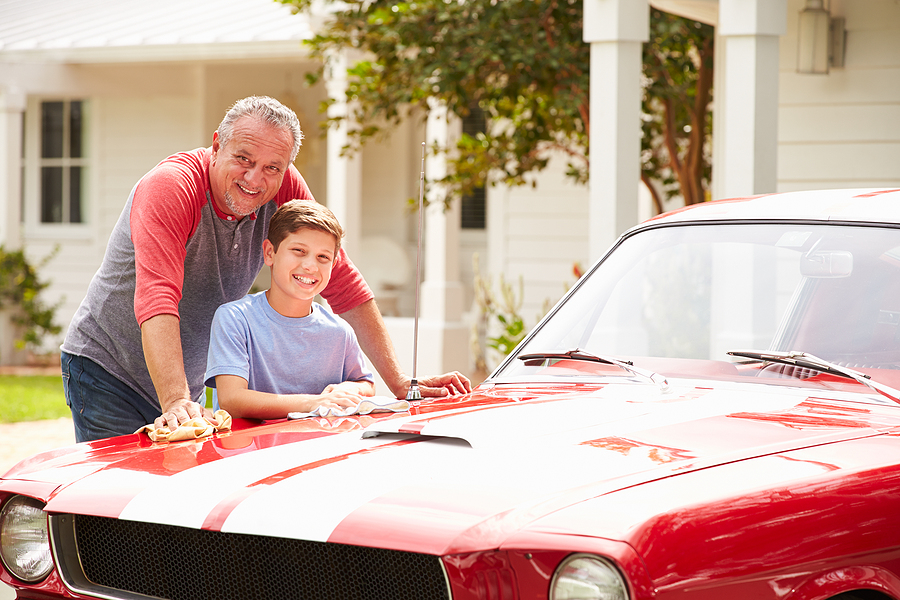
The Pros of Restoring an Old Vehicle
Cost Savings Compared to Buying New
On the surface, restoration might seem expensive—and it can be. But for enthusiasts after a specific make or model, restoring an existing vehicle often costs far less than purchasing a pristine example on the open market. Classic and collector cars in show-ready condition can command prices that dwarf even a high-end restoration budget.
Preserving Automotive History
Every classic vehicle tells a story. When you restore one, you’re doing more than fixing metal and rubber—you’re keeping a piece of history alive. This is especially meaningful for rare models or vehicles tied to a particular era of American manufacturing. The global automotive restoration market reflects this passion, with industry projections pointing to a market value of USD 2.3 billion by 2030.
Personal Satisfaction and Accomplishment
Few things match the feeling of watching a deteriorated vehicle come back to life through your own effort. The sense of accomplishment at the end of a successful restoration is real and lasting. For many enthusiasts, the process is just as rewarding as the finished product.
Hands-On Mechanical Learning
Restoration forces you to understand how vehicles actually work—engine systems, electrical components, bodywork, suspension, and more. The skills you develop carry over to everyday vehicle ownership and maintenance, making you a more confident and capable driver and mechanic.
Customization Opportunities
Restoration doesn’t have to mean an exact factory replica. Many enthusiasts use the process to upgrade performance components, modernize interiors, or apply custom paint and trim. You have full creative control over the outcome in ways that buying a pre-built vehicle simply doesn’t offer.
The Cons of Restoring an Old Vehicle
Hidden Costs and Budget Overruns
This is where many restoration projects go sideways. Initial estimates rarely tell the full story. According to industry data, a basic restoration starts around $20,000 to $50,000, while a comprehensive, high-quality restoration typically falls between $40,000 and $120,000. Show-quality, frame-off builds regularly exceed $100,000.
Professional labor sits at around $125 per hour on average nationally, with rates ranging from $85 to $300 per hour depending on the shop and region. A single technician working an 8-hour day generates $1,000 in labor costs alone.
Rust is often the biggest budget threat. Rocker panel replacement alone can run $2,000 to $6,000 per panel, and rust frequently hides beneath surfaces until disassembly reveals the true extent of the damage. Budget experts recommend setting aside an additional 10–20% of your total project estimate to cover these surprises.
Parts Availability and Sourcing Challenges
Popular muscle cars benefit from strong aftermarket support. Rarer or more obscure models are a different story. Tracking down original or compatible components can take weeks or months, and custom fabrication—when parts simply don’t exist—drives costs and timelines higher. Parts alone can easily exceed $10,000 for vintage vehicles, not counting shipping markups of around 25% on online orders.
Time Commitment and Project Delays
A minor or partial restoration typically takes 3 to 6 months. A full restoration runs 9 to 18 months. Frame-off builds often stretch to 12 to 24 months or longer. According to Hagerty, professional concours-level restorations now average 4,000 to 5,000 labor hours and can take three years or more.
Delays are common. Hidden damage, backordered parts, and shifting shop schedules all contribute. If you’re working on the project yourself, progress can be slower still.
Physical Labor and Skill Requirements
Restoration work is physically demanding. Crawling under vehicles, grinding rust, lifting panels, and performing bodywork takes stamina and a degree of mechanical confidence. Some tasks—engine machining, professional painting, frame repair—genuinely require specialized expertise that most hobbyists don’t possess, which means outsourcing those jobs and adding to the overall cost.
Storage and Workspace Needs
A vehicle mid-restoration can sit disassembled for months. You’ll need a dedicated space large enough to store the vehicle and its components, along with adequate tools and lighting. Renting garage space or storage facilities adds to the project’s overhead.
Depreciation and Resale Value Concerns
Here’s a hard truth: unless you’re restoring a genuinely rare, high-value vehicle, you are unlikely to recoup the cost of restoration through resale. A show-quality paint job alone can cost up to $20,000, while the car’s market value may not reflect that investment. Most restorations are a labor of love first, and a financial investment second.
When Restoration Makes Sense
Restoration is a smart choice when the vehicle is structurally sound, parts are reasonably accessible, and your budget has room for uncertainty. It also makes sense when personal motivation is high—whether that’s preserving a family heirloom, completing a passion project, or building a show vehicle. Going in with realistic timeline expectations and a padded budget dramatically improves the odds of a satisfying outcome.
When to Walk Away
Some projects simply aren’t worth pursuing. Severe structural or frame damage can make restoration costs prohibitive, even before accounting for mechanical and cosmetic work. If the parts required are genuinely impossible to find, or if the project has already strained your finances, continuing often compounds the loss. Health limitations, lack of workspace, and underestimating the physical demands of the work are also valid reasons to reconsider.
Walking away doesn’t have to mean losing everything. If your restoration project has stalled or proven too costly to complete, GC’s Junk Cars in Cincinnati, Ohio will buy it from you outright—cash on the spot, with free towing included. Contact us for a free quote and get paid the same day, regardless of the vehicle’s condition.
Frequently Asked Questions
How much does it cost to restore a classic car?
Costs vary widely based on the vehicle’s condition and your restoration goals. A basic restoration typically starts between $20,000 and $50,000. A full, driver-quality restoration generally runs $40,000 to $120,000, while show-quality, frame-off builds often exceed $100,000. Always budget an additional 10–20% for unexpected issues.
How long does a vehicle restoration typically take?
Minor or partial restorations take 3 to 6 months. Full restorations average 9 to 18 months. Frame-off projects run 12 to 24 months or longer. High-end, concours-level builds can take three or more years.
Can I restore a vehicle without prior mechanical experience?
It’s possible to handle certain tasks—basic disassembly, cleaning, and surface preparation—without extensive experience. However, specialized work like engine machining, electrical systems, and bodywork typically requires professional involvement. Many first-time restorers start with partial projects to build skills before committing to a full restoration.
What’s the best first vehicle to restore?
Vehicles with strong aftermarket parts support and a large enthusiast community are generally the best starting points. First-generation Ford Mustangs, early Chevy Camaros, and classic Volkswagen Beetles are commonly recommended for beginners due to parts availability and lower acquisition costs compared to rarer models.
Key Takeaways
Vehicle restoration rewards patience, preparation, and realistic expectations. The pros—personal satisfaction, preserved history, hands-on learning, and creative freedom—are genuine and meaningful. So are the cons—hidden costs, time demands, physical labor, and uncertain resale value.
The right answer depends on your specific vehicle, your budget, your skills, and what you’re hoping to get out of the experience. If the project still excites you, it very well may be worth every hour and dollar. But if the math no longer works, or the project has simply run its course, there’s no shame in cutting your losses.
Cincinnati-area owners with a stalled or failed restoration project can call GC’s Junk Cars at 513-991-4776. We buy vehicles in any condition, pays cash on the spot, and hauls them away for free—often the same day you call.
Related Posts:
Fixer-Upper Gone Wrong? How to Scrap a Hobby Car That Didn’t Work Out
Tips for Properly Maintaining an Antique Car While in Storage
Sustainable Solutions for Your Total Loss Vehicle