
Walk into any busy auto repair shop, and you will likely see the same thing: piles of discarded rotors, crushed oil filters, bent control arms, and dead batteries. For many mechanics and shop owners, this accumulation is simply a byproduct of the job—a mess that needs to be cleaned up and hauled away. However, viewing these piles as mere trash is a missed financial opportunity.
Hidden within those mounds of greasy metal is a significant revenue stream waiting to be tapped. Automotive scrap recycling offers a practical way for repair shops and DIY mechanics to offset overhead costs, clear out valuable workspace, and contribute to a healthier environment. It turns the burden of waste disposal into a profitable business practice.
Understanding the scrap metal market might feel like learning a new trade, but the fundamentals are straightforward. By identifying valuable materials, sorting them correctly, and partnering with the right scrap yard, you can transform your shop’s waste into a steady line of income.
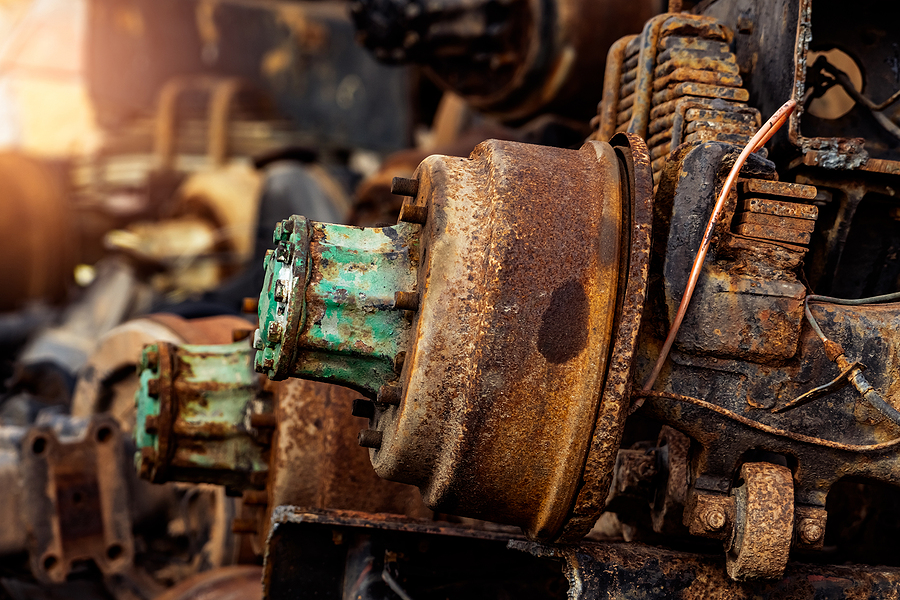
Why Recycle Scrap Auto Parts?
The decision to start a recycling program in your shop goes beyond just making a few extra dollars. It creates a positive ripple effect that impacts your business’s bottom line and the broader community.
Economic Benefits
The most immediate advantage is financial. Auto repair margins can be tight, and disposal fees for industrial waste are rising. By recycling, you eliminate the cost of having someone haul away your trash and instead get paid for the material. High-value components like catalytic converters, aluminum rims, and copper wiring can fetch impressive prices, effectively subsidizing the labor involved in replacing them.
Environmental Impact
Automobiles are among the most recycled consumer products in the world. Recycling steel saves 74% of the energy used to produce it from raw ore (World Steel Association, 2023). When you recycle auto parts, you divert tons of material from landfills and reduce the demand for new mining. For a local business, this is also a powerful marketing tool. Customers increasingly prefer service providers who demonstrate environmental responsibility.
Identifying the Goldmine: Common Scrap Metals
Not all scrap is created equal. To maximize your return, you need to know what you are looking at. Auto parts are a mix of ferrous (magnetic) and non-ferrous (non-magnetic) metals, with the latter usually commanding a much higher price per pound.
Aluminum
Aluminum is a lightweight, non-ferrous metal commonly found in modern vehicles to improve fuel efficiency. It is valuable and abundant in repair shops. Look for it in:
- Engine blocks and cylinder heads: often cast aluminum.
- Transmission cases: usually aluminum housings.
- Wheel rims: alloy wheels are a prime source of clean aluminum.
- Radiators and condensers: check the cores.
Copper
Copper is one of the most sought-after metals in the scrapping world due to its high conductivity and value. While you won’t find large sheets of it in a car, it accumulates quickly in small parts:
- Wiring harnesses: stripping the insulation can increase the value, though selling it as insulated wire is also an option.
- Starters and alternators: these contain dense copper windings inside.
- Older radiators: some vintage or heavy-duty radiators are made of copper and brass.
Steel and Iron
Ferrous metals make up the bulk of a vehicle’s weight. While the price per pound is lower than copper or aluminum, the sheer volume makes it worth recycling.
- Body panels and frames: standard sheet metal and structural steel.
- Rotors and drums: heavy cast iron brake parts add up in weight very quickly.
- Suspension components: control arms, springs, and shocks.
Catalytic Converters
These are the “crown jewels” of automotive scrap. They contain precious metals like platinum, palladium, and rhodium. Prices fluctuate wildly based on market demand for these rare elements, but a single converter can be worth substantial money. Because of their value, they are also targets for theft, so handle and store them securely.
Get Paid Cash for Your Scrap Metal Parts in Ohio ✅
Sorting and Preparation: The Key to Profit
If you toss everything into one bin, the scrap yard will likely pay you the lowest common denominator price—usually the rate for “shred” or light iron. To get the best rates, you must separate your metals.
“Clean” vs. “Dirty” Metal
This is the most critical concept in scrapping. “Clean” metal is free of foreign materials (plastics, rubber, other metals). “Dirty” metal has attachments.
Example: An aluminum cylinder head with steel valves, spark plugs, and bolts still attached is “dirty aluminum.” If you take the time to remove the steel attachments, it becomes “clean aluminum,” and the price per pound jumps significantly.
Proper Fluid Management
Before any part goes to the scrap pile, it must be drained of fluids. Oil, transmission fluid, coolant, and brake fluid are environmental hazards. Leaking parts can get your load rejected by the scrap yard or result in penalties. Ensure all engines, transmissions, and differentials are fully drained.
Battery Separation
Lead-acid batteries are distinct from other scrap. They are heavily regulated but also recyclable. Keep them stored separately on a pallet, away from drains, and check them for cracks or leaks. Most yards buy these by the unit or pound.
Finding and Working with a Scrap Yard
Your relationship with your local scrap yard determines your success. You want a partner that offers transparent pricing and reliable service.
When vetting a yard, look for clear signage regarding prices and policies. Scales should be visible to the customer, ensuring you can verify the weight of your load. It is also wise to ask about their grading system. Some yards might have specific requirements for how they want materials prepared.
Logistics also play a role. If your shop generates a high volume of scrap metal, ask if the yard provides roll-off container services. They can drop a dumpster at your shop and swap it out when full, saving you the time and wear-and-tear of hauling heavy metal yourself.
Maximizing Your Returns
Once you have a system in place, you can fine-tune it to squeeze every dollar out of your scrap pile.
- Store and Wait: Metal prices fluctuate daily based on the stock market. If you have the storage space, hold onto your non-ferrous metals (copper, aluminum, brass) when prices are low and sell when the market spikes.
- Negotiate on Volume: If you have saved up a significant amount of high-quality material, don’t be afraid to ask for a better rate. Yards often have wiggle room for bulk sellers.
- Break It Down: Evaluate the labor cost versus the return. Spending an hour stripping copper wire might not be worth your hourly shop rate, but having an apprentice do it during downtime keeps them busy and increases the scrap value.
Overcoming Potential Challenges
Implementing a recycling program does introduce some hurdles. Space is often the biggest constraint in a busy garage. Devoting floor space to bins for different metals requires organization. Vertical shelving or stacking bins can help mitigate this.
Theft is another concern, particularly for batteries and catalytic converters. Treat these items like cash. Store them inside the shop overnight, preferably in a locked cage or secure room.
Finally, price volatility can be frustrating. You might plan to sell a load of steel, only to find the price dropped overnight. Establishing a consistent routine—rather than trying to time the market perfectly—is usually the best approach for steady income.
In Summary
For auto repair shops and mechanics, scrap metal recycling is not just about cleaning up the garage; it is a strategic business move. It transforms waste management from a cost center into a profit center. By recognizing the value in used parts, sorting them effectively, and partnering with a reputable yard, you protect the environment while padding your bottom line.
If you are in the Cincinnati area and looking for a reliable partner to handle your automotive scrap, look no further. Recycle your scrap auto parts and vehicles at GC’s Junk Cars in Cincinnati to ensure you get competitive rates and professional service for your hard work.
Related Post: The Ultimate Guide to Recycling Auto Parts