
The dream is almost always the same. You spot a vintage beauty or a once-reliable sedan gathering dust, and you see potential. You imagine weekends spent under the hood, the satisfaction of turning a wrench, and the pride of driving a restored classic. But reality has a way of complicating even the best-laid plans. What starts as a passion project often stalls due to unexpected costs, elusive parts, or simply life getting in the way.
Suddenly, that “fixer-upper” isn’t a project anymore—it’s a lawn ornament. It takes up space in the driveway, attracts complaints from neighbors, and slowly succumbs to the elements. If you find yourself staring at a vehicle that’s more burden than beauty, you aren’t alone. Transitioning from restoration mode to scrap mode is a difficult decision, but often the most practical one. Here is how to navigate the process when a car project hits a dead end.
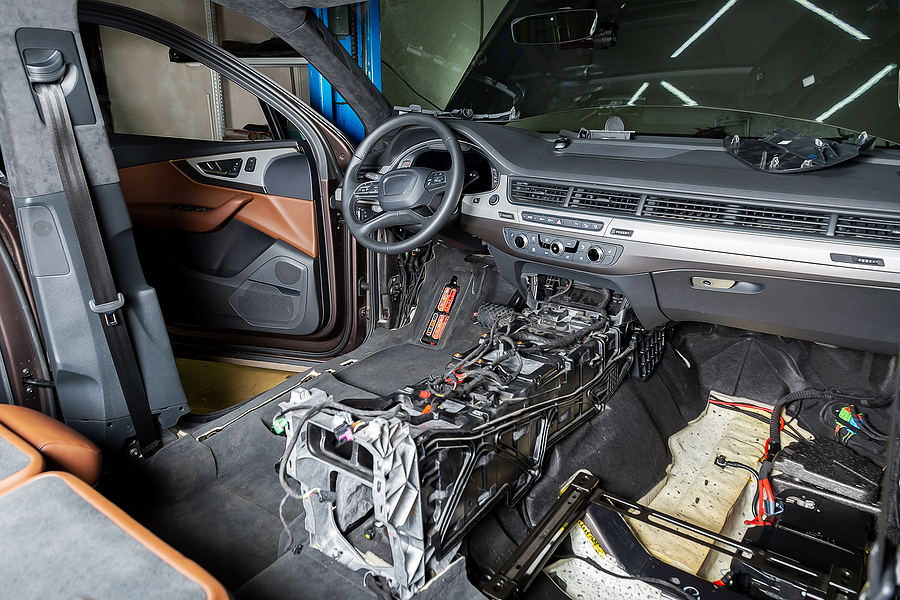
Why Fixer-Uppers Become Scrap Cars
Acknowledging that a project is over requires understanding why it failed in the first place. Often, it isn’t a lack of skill or desire, but rather the hard realities of automotive restoration catching up with the budget.
Hidden Mechanical Issues
Cars that sit for long periods develop problems that aren’t visible during a quick initial inspection. Seals dry out, wiring harnesses degrade, and engines seize. You might have budgeted for a new alternator, but you likely didn’t plan for a cracked engine block or a transmission that slips in every gear. These catastrophic failures often turn a repairable car into a financial black hole.
Extensive Rust or Structural Damage
Rust is the silent killer of restoration dreams. Surface rust is manageable, but once oxidation penetrates the frame or unibody, the car’s structural integrity is compromised. Repairing frame rot requires specialized welding skills and expensive equipment. In many cases, the cost to safely repair the structure far exceeds the potential value of the finished vehicle.
Parts Availability and Costs
For mass-produced modern cars, parts are plentiful. But for niche classics or discontinued models, finding a specific trim piece or mechanical component can feel like a treasure hunt with no map. When parts are available, scarcity drives up the price. If you are spending months searching for a single carburetor linkage, the project loses momentum, often permanently.
Labor Costs Exceeding Value
Even the most dedicated DIY enthusiast eventually needs professional help. whether it’s for paint, bodywork, or complex electrical diagnostics. Professional labor rates can quickly dwarf the market value of the car. If you pour $5,000 into a car that will only ever be worth $3,000, you have to ask yourself if the sentimental value is worth the financial loss.
Options for Dealing with a Scrap Car
Once you accept that the car won’t be returning to the road under your ownership, you have several avenues for disposal.
Selling to a Junkyard or Scrap Yard
This is often the quickest and most straightforward option. Automotive scrap yards like GC’s Junk Cars in Cincinnati purchase vehicles primarily for the weight of the metal. They handle the logistics, often including towing, and pay you based on current scrap metal prices. It’s an immediate solution that clears your driveway and puts cash in your pocket.
Selling Privately for Parts
If your car has desirable components—like a pristine interior, a rare engine, or undamaged body panels—you might make more money parting it out yourself. This involves dismantling the car and listing individual parts on marketplaces. While potentially more profitable, this route requires significant time, mechanical effort, and space to store parts.
Donating to Charity
Many charitable organizations accept vehicle donations. They sell the car at auction or for scrap and use the proceeds to fund their programs. In exchange, you receive a tax deduction. This is a great option if you want to do some good with your failed project and don’t need immediate cash.
Recycling the Car
Auto recycling is a massive industry that plays a crucial role in environmental sustainability. Professional auto recyclers like GC’s Junk Cars in Cincinnati ensure that hazardous materials are drained and disposed of properly before the steel is reclaimed. Approximately 86% of a vehicle’s material content is recycled, reused, or used for energy recovery.
Get a Free Offer for Your Fixer-Upper Gone Wrong! ✅
Factors to Consider When Choosing an Option
Deciding between selling, donating, or scrapping depends on your specific situation.
The Car’s Condition and Value
Be realistic. If the car is a rusted shell, a scrap yard is your best bet. If it’s a complete car with a blown engine but a perfect body, a private buyer or a specialized breaker yard might pay a premium.
Time and Effort Involved
Parting out a car is a job, not a hobby. It requires tools, shipping logistics, and dealing with buyers. If you just want the car gone today, a junk car removal service is superior. If you have patience and space, parting it out offers a better return.
Environmental Impact
Cars contain lead, mercury, antifreeze, and oil—substances that can devastate local soil and water tables if not handled correctly. Reputable scrap yards and recyclers follow strict EPA guidelines to depollute vehicles. If you sell privately to someone who doesn’t follow these rules, you risk contributing to environmental damage.
Potential Financial Return
Scrap prices fluctuate based on the global steel market. Donating offers a tax write-off, which is valuable but not “cash in hand.” Parting out offers the highest ceiling but the lowest floor if parts don’t sell.
How to Prepare a Scrap Car for Sale or Recycling
Regardless of where the car goes, you need to prep it to ensure a smooth transaction.
1. Remove Personal Belongings & Trash
Check the glove box, under the seats, and in the trunk. It’s easy to forget manuals, tools, or personal documents in a car that has been sitting for years. Be sure to grab the front plate if you have one.
2. Drain Fluids (If Parting Out)
If you are dismantling the car yourself, you must drain the oil, coolant, transmission fluid, and gas. These cannot be dumped in the drain; they must be taken to a hazardous waste facility. If you are selling to a professional scrap yard, ask if they require this—most will handle it for you as part of their environmental compliance.
3. Remove Valuable Parts
If you are selling the car for scrap weight, the yard generally doesn’t care if the stereo, GPS, or aftermarket rims are missing (provided you have steel wheels to roll it on). Pull these high-value, easy-to-remove items and sell them separately to maximize your profit.
4. Gather Paperwork
You cannot legally scrap a car without proof of ownership. Locate your title. If you have lost it, you will need to apply for a duplicate title through your local DMV/BMV. In Ohio, for example, transferring a vehicle requires a notarized signature on the title. Having your paperwork ready prevents delays when the tow truck arrives.
Conclusion
It is never easy to admit a restoration project has run its course. However, holding onto a deteriorating vehicle benefits no one. By choosing to scrap or recycle your car, you reclaim your space, remove an environmental hazard, and potentially put some money back in your wallet for your next—more manageable—adventure.
If you are in the Cincinnati area and ready to clear that project car from your driveway, we can help. We offer free junk car removal and pay cash on the spot, making the process as painless as possible. Ready to reclaim your driveway? Contact Us Today for a free quote.
Related Post: A Mechanic’s Guide to Turning Scrap Car Parts into Cash