
A broken-down vehicle taking up space in your driveway can be a stressful reminder of a problem you need to solve. Dealing with a car that no longer runs is frustrating, especially when repair costs exceed the value of the vehicle itself. However, that heavy piece of machinery still holds inherent worth.
The secret to getting a fair price for your old vehicle lies in understanding the global metals market. Your car is essentially a large, rolling collection of recyclable materials. By learning how these materials are valued, you can approach the selling process with confidence.
This guide will explain exactly how current market trends dictate vehicle pricing. You will learn the hidden variables that salvage yards use to calculate their offers, empowering you to make the best financial decision for your situation.
Understanding the Relationship Between Steel Prices and Junk Car Value
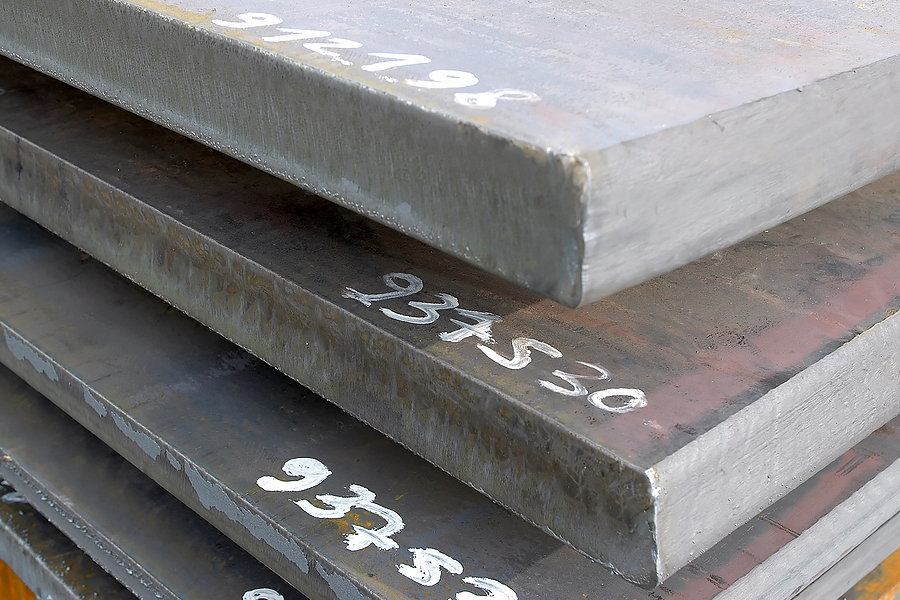
Your junk car’s value is directly tied to the current market price of scrap steel, as the majority of your vehicle’s weight consists of this highly recyclable metal. The average passenger sedan weighs between 3,000 and 4,000 pounds. About 65 percent of that curb weight is made of steel and iron. Because steel is endlessly recyclable without losing its structural integrity, it is a highly sought-after commodity in the manufacturing world.
When global manufacturing demand rises, steel mills need more raw materials, pushing the price of scrap steel higher. Conversely, if manufacturing slows down, the price of scrap steel drops. Since your car is mostly steel, its baseline value will rise and fall in perfect rhythm with these global market trends.
How Current Scrap Steel Prices Influence What Junk Car Buyers Can Pay
Junk car buyers calculate their offers by multiplying your vehicle’s curb weight by the current per-ton price of shredded steel, then subtracting their operational costs. To give you an idea of the math, national averages for shredded steel can hover around $180 to $200 per net ton, though this fluctuates frequently based on your region. A salvage yard will look at the exact curb weight of your specific make and model to determine its gross metal value.
However, the buyer cannot hand you that exact gross amount. They must factor in the labor and overhead required to process the vehicle. Safely recycling a car is a complex operation. Buyers incur heavy costs for towing the vehicle from your property to their yard. They also have to pay technicians for depollution, which involves carefully draining and disposing of hazardous fluids like engine oil, transmission fluid, and engine coolant. Once these processing costs are subtracted from the raw steel value, the remaining amount is the baseline offer you receive.
Key Factors Beyond Steel That Determine the Total Worth of Your Vehicle
Aside from steel weight, your car’s value is significantly impacted by its catalytic converter, aluminum components, and the demand for salvageable parts. While steel makes up the bulk of the vehicle, the smaller, specialized components often drive the price up. The most famous example is the catalytic converter. This exhaust emission control device contains precious metals like platinum, palladium, and rhodium.
The quantities of these metals vary drastically depending on the vehicle model. Original Equipment Manufacturer (OEM) converters contain much higher precious metal loadings than cheap aftermarket replacements, making OEM parts incredibly valuable to recyclers.
Other non-ferrous metals also play a huge role in your quote. Aluminum alloy wheels, copper wiring harnesses, and lead-acid batteries all command higher per-pound prices than standard steel.
Additionally, if your car is a popular model, the salvage yard might be able to harvest intact parts like alternators, starter motors, or body panels to resell to mechanics. A complete car with all its original components will always fetch a higher price than a vehicle that has been stripped of its most valuable assets.
Why Market Fluctuations Mean Now Is a Great Time to Sell Your Scrap Car
Metal markets are highly volatile, so selling your scrap car while steel prices remain stable prevents you from losing money during unexpected market downturns. Predicting the commodities market is incredibly difficult. Factors like international trade agreements, mining output, and new environmental regulations can cause scrap prices to plummet overnight. Waiting for a theoretical price peak is a risky strategy that rarely pays off for individual sellers.
Furthermore, letting a car sit exposed to the elements actively destroys its value. As a vehicle sits in the grass or a driveway, moisture causes the steel to rust. Severe rust literally eats away at the weight of the vehicle. Rubber hoses dry rot, and valuable electronics succumb to water damage. Selling your car promptly ensures you capture its maximum current weight and component value before natural degradation takes its toll.
Free Junk Car Appraisal in Cincinnati: Cash on the Spot and Free Towing
Residents of Cincinnati can receive a free, no-obligation appraisal for their junk car, complete with complimentary towing and immediate cash payment. If you are ready to reclaim your driveway and turn that old vehicle into usable funds, we are here to help. GC’s Junk Cars monitors current scrap prices closely to ensure you receive a highly competitive offer based on the true weight and component value of your specific vehicle.
Our team understands that getting rid of a junk car should be a relief, not a chore. That is why we handle all the heavy lifting. When you accept our quote, we will schedule a convenient pickup time, tow the vehicle away for free, and hand you cash on the spot. Contact our Cincinnati team today at 513-991-4776 for your free, instant junk car appraisal.
FAQs About Scrap Metal Pricing and Junk Car Valuations
Understanding the nuances of scrap metal pricing helps you set realistic expectations and ensures you get a fair deal for your old vehicle.
How much is an average junk car worth?
While prices vary based on the global market, the average complete junk car typically yields between $200 and $600. Heavy vehicles like trucks and full-size SUVs often sit at the higher end of that spectrum due to their massive curb weight, while compact cars generally sit at the lower end.
Does rust affect my car’s scrap value?
Yes. Mild surface rust will not dramatically change the quote, but severe, structural rust means the car has physically lost mass. Because salvage yards pay based on the weight of the steel, a car that has rusted away significantly will weigh less and therefore be worth less money.
Should I remove valuable parts before scrapping my car?
Generally, no. Unless you are a professional mechanic with the time, tools, and buyer network to sell parts individually, removing items will hurt your wallet. Stripping the catalytic converter, aluminum wheels, or engine components will drastically lower the scrap yard’s offer, often by more than you could make trying to sell those parts on your own.
In Summary
To maximize your payout, keep the vehicle fully intact, understand its approximate curb weight, and work with a reputable local buyer who offers free towing. Selling a junk car does not have to be a complicated mystery. By recognizing that your vehicle’s worth is tied to heavy steel and specialized precious metals, you can better navigate the quotes you receive. Keep all the original parts on the car to ensure the highest possible appraisal. Avoid letting the vehicle sit out in the weather to rust, and always verify that the buyer covers the cost of towing so your profits are not eaten up by hidden fees.
If you are located in the Cincinnati area and want a transparent, top-dollar offer for your vehicle, reach out to us today. We provide free appraisals, complimentary towing, and cash on the spot so you can finally clear out your driveway with ease.
Related Post: How the Scrap Metal Market Impacts the Value of Junk Cars