
Leaving an old, broken-down vehicle in your driveway can feel like a heavy burden. However, that rusted shell actually holds significant hidden value. Every junk car is a goldmine of recyclable materials, waiting to be properly processed and repurposed.
Understanding the different types of scrap metal stripped from end-of-life vehicles helps you appreciate exactly what your car is worth. Auto recycling facilities carefully dismantle these vehicles to extract valuable components, separating common steel from precious metals. This careful sorting process ensures that nothing goes to waste and that raw materials find a second life in new manufacturing cycles.
This comprehensive guide explains the various metals hiding under your hood, from heavy iron blocks to highly sought-after platinum. By learning about these materials, you can make informed decisions when it comes time to part ways with your old vehicle and confidently navigate the recycling process.
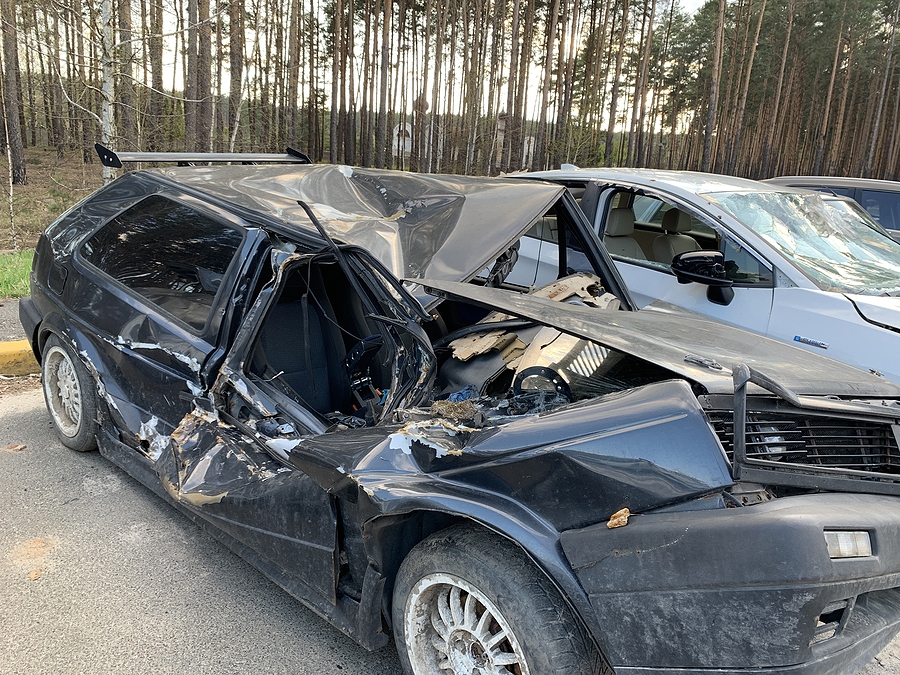
Understanding the Value of Scrap Metal in Junk Cars
When a vehicle reaches the end of its usable life, its value shifts from transportation to raw material. Auto recyclers and scrap yards evaluate junk cars based on their metal composition. Since different metals trade at vastly different price points on the global market, understanding what your car is made of gives you realistic expectations about its salvage value.
Facilities weigh and grade the dismantled materials, separating the heavy structural metals from the lighter, higher-paying components. This careful extraction process dictates the final payout you receive.
Common Types of Ferrous and Non-Ferrous Metals Found in Vehicles
The scrap metal industry divides recyclable materials into two distinct categories based on their chemical composition. Knowing the difference between these two groups is the first step in understanding automotive recycling.
Ferrous Metals
Ferrous metals contain iron, making them distinctly magnetic and susceptible to rust over time. They make up the vast majority of a vehicle’s total weight. Because they are so abundant, ferrous metals generally command a lower price per pound. However, the sheer volume of steel and cast iron in a single car ensures that ferrous scrap still provides a solid baseline value for any junk vehicle.
Non-Ferrous Metals
Non-ferrous metals do not contain iron. They are non-magnetic, highly resistant to corrosion, and generally lighter than their ferrous counterparts. Examples include aluminum, copper, brass, and lead. Because they possess excellent conductivity and resist degradation, non-ferrous metals are highly prized in the scrap market and fetch a much higher price per pound.
High-Value Components: Catalytic Converters and Wiring Harnesses
Certain parts of your car hold an outsized portion of its total scrap value. Recyclers pay close attention to these specific components during the dismantling process.
The “Big Three” Precious Metals in Catalytic Converters
The catalytic converter is consistently the most valuable single item on a scrap vehicle. This component is responsible for filtering harmful emissions from your exhaust system. To do this, it relies on a ceramic honeycomb coated with three extremely rare platinum group metals (PGMs): platinum, palladium, and rhodium. Extracting these precious metals from a scrap catalytic converter is far more efficient than mining new ore, driving intense market demand for OEM (Original Equipment Manufacturer) catalytic converters.
Copper Recovery from Wiring Harnesses
Modern vehicles act as rolling computers, requiring miles of electrical wiring to power sensors, entertainment systems, and engine control units. These complex wiring harnesses contain high-grade copper. As a premium non-ferrous metal, copper retains immense value. Auto recyclers strip the plastic insulation from these harnesses to recover the clean copper wire hidden inside.
Aluminum vs. Steel: Identifying Body Panels and Engine Blocks
Automakers constantly balance the need for structural strength with the desire for fuel efficiency. This balancing act leads to a mix of steel and aluminum components throughout the vehicle.
Steel provides unparalleled strength and durability. It forms the protective backbone of the car, including the chassis, structural frame, and many older body panels. While heavy, steel ensures passenger safety and structural integrity.
Aluminum offers a fantastic strength-to-weight ratio. To improve fuel economy, manufacturers increasingly rely on aluminum for newer body panels, hoods, doors, and engine blocks. Aluminum resists rust and weighs significantly less than steel. When scrapped, aluminum engine blocks and alloy wheels provide a lucrative return for recycling facilities.
Why Recycling Junk Cars is Environmentally Friendly
Scrapping your old vehicle does more than just clear up driveway space; it actively protects the environment. The automotive recycling industry plays a crucial role in reducing our global carbon footprint. Manufacturing new auto parts from virgin ore requires massive amounts of energy. By contrast, melting down and reusing recycled steel uses roughly 60% to 74% less energy (American Iron and Steel Institute).
The environmental savings are even more dramatic for aluminum, which requires up to 95% less energy to recycle than to produce from raw bauxite ore (Aluminum Association). Furthermore, properly recycling a single vehicle prevents up to two tonnes of carbon dioxide emissions from entering the atmosphere, making auto recycling a cornerstone of sustainable manufacturing.
Frequently Asked Questions About Scrap Metal Prices
How are scrap metal prices determined?
Prices fluctuate based on global market demand, the specific type of metal, its total weight, and the current rates offered by local recycling facilities. Supply chain shifts and mining outputs directly impact what a yard will pay on any given day.
Do OEM parts sell for more than aftermarket parts?
Yes. OEM parts, especially catalytic converters, contain higher concentrations of valuable materials. Aftermarket converters often hold only a fraction of the precious metals found in original parts, resulting in a significantly lower scrap value.
Will the condition of my junk car affect its scrap value?
Typically, cosmetic damage like dents or rust will not heavily impact the scrap quote, as the value lies in the raw metal weight. However, if major components like the engine block, wiring harness, or catalytic converter are missing, the value of the vehicle will drop considerably.
Maximizing Your Payout in Cincinnati
Saying goodbye to an old vehicle shouldn’t be a stressful ordeal. By understanding the types of ferrous and non-ferrous metals inside your car, you can approach the recycling process with confidence. Knowing that your vehicle is packed with valuable steel, aluminum, copper, and precious metals ensures you recognize a fair offer when you hear one.
Ready to turn your old vehicle into cash? Sell your junk car for cash in Cincinnati, Ohio today. We offer free towing and instant cash payments, making the entire process smooth, profitable, and environmentally responsible. Contact our trusted local team to schedule your pickup and get the best value for your scrap vehicle.
Related Post: The Most In-Demand Junk Vehicles in the Auto Scrapping Industry