
Driving brings a profound sense of freedom, but unexpected breakdowns can quickly turn a pleasant trip into a stressful ordeal. A sudden flat tire, a dead battery, or harsh weather can leave you stranded on the side of the highway with little warning. Being prepared for these moments is a fundamental part of responsible driving.
A roadside emergency is a vulnerable situation that requires calm, careful action. Having the right supplies readily available can prevent a minor mechanical issue from becoming a serious safety hazard. It provides a crucial buffer between you and the unpredictable nature of the road.
A well-stocked vehicle emergency roadside kit offers the tools necessary to stay safe, communicate your distress, and often get back on the road. This guide explains exactly what items you need to pack to protect yourself and your passengers during unforeseen stops.
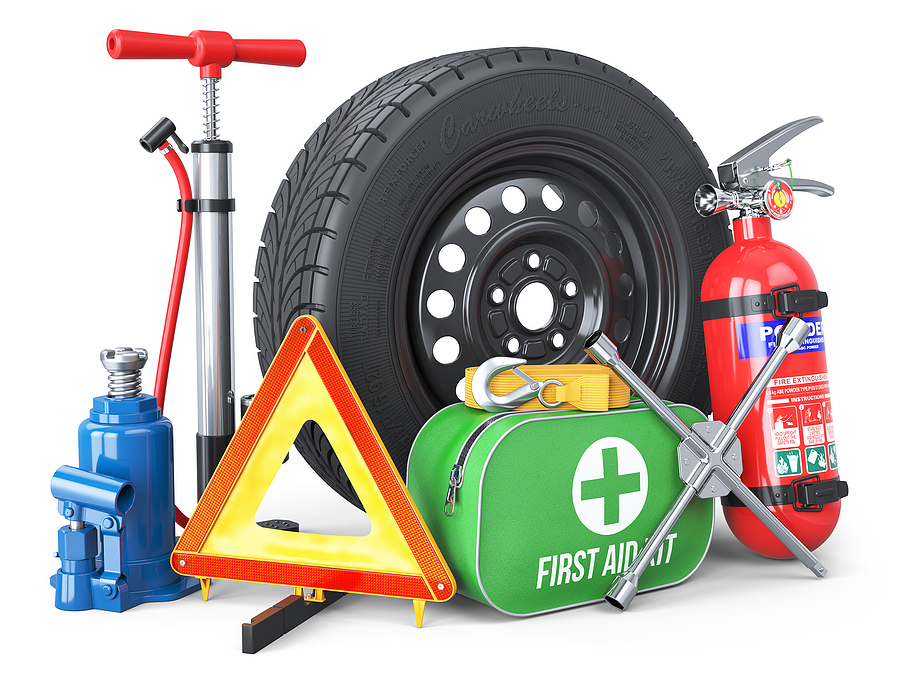
The Core Essentials: What Every Kit Needs
Every driver should carry a foundational set of supplies designed to address the most common roadside problems. These items prioritize your immediate health, safety, and basic mechanical recovery.
Safety Supplies for Visibility and Communication
If your car breaks down, making sure other drivers can see you is your top priority. Pack reflective warning triangles or road flares to place behind your vehicle. A high-visibility safety vest will keep you noticeable if you need to step out of the car in the dark.
You will also need reliable lighting. Keep a heavy-duty flashlight or a hands-free headlamp in your trunk, along with extra batteries. The American Red Cross also recommends packing a battery-powered or hand-crank emergency radio to stay informed during severe weather events.
Basic Vehicle Repair and Maintenance Supplies
Dead batteries are a frequent cause of roadside strandings. A quality set of jumper cables is an absolute necessity. A portable lithium-ion jump starter pack is an even better option, allowing you to restart your car without needing a second vehicle.
Tire issues are equally common. Pack a portable tire inflator and a tire pressure gauge. If your vehicle has a spare tire, ensure your kit includes the necessary lug wrench and jack to perform a tire change safely.
Personal Comfort and Survival Items
Physical injuries can happen during an accident or while trying to repair a vehicle. Pack a comprehensive first aid kit. According to Allstate, this should include gauze pads, adhesive tape, assorted bandages, antibiotic ointment, non-latex gloves, and pain relievers like aspirin.
You should also store basic survival items to keep you and your passengers comfortable while waiting for a tow truck. Keep a few warm blankets, several bottles of drinking water, and high-energy, non-perishable snacks like granola bars in your trunk.
Beyond the Basics: Enhancing Your Kit
Once you have the core essentials, you can adapt your kit to match your specific driving environment and the type of vehicle you own.
Seasonal Considerations for Your Kit
Extreme weather requires specialized gear. A winter car emergency kit demands extra focus on warmth and snow removal. Consumer Reports and the Wisconsin Department of Transportation suggest packing an ice scraper, a snow brush, and a small folding shovel. You should also include traction mats or a bag of sand to help your tires grip slippery surfaces. Add extra winter clothing, such as stocking caps, warm socks, gloves, and sleeping bags.
When spring arrives, swap out the heavy winter gear. Replace the sleeping bags with extra drinking water and sun protection for the hot summer months.
Specialized Tools for Your Vehicle Type
Different vehicles require slightly different approaches to roadside emergencies. If you drive an electric vehicle (EV), you might not have a spare tire. A high-quality tire inflator kit and a portable charge cable are critical. EV owners should also carry a 10mm wrench to access and disconnect the 12-volt battery if the vehicle’s computer system needs a hard reset.
For large trucks and SUVs, consider adding heavy-duty tow straps and a higher-capacity jump starter capable of turning over large engines.
Assembling Your Kit: DIY vs. Pre-Made
When it comes to acquiring your vehicle emergency roadside kit, you have two primary options. You can purchase a pre-assembled kit or build your own from scratch.
Evaluating Pre-Assembled Kits
Pre-made kits offer immediate convenience. They come packed in a neat, organized bag and save you the time of shopping for individual items. They are an excellent starting point for new drivers. However, pre-packaged kits can sometimes be overpriced. They may also include low-quality filler items while lacking the heavy-duty tools you actually need for a serious breakdown.
Pros and Cons of Building Your Own Kit
Building a do-it-yourself (DIY) kit allows for complete customization. You can select high-quality jumper cables, a robust first aid kit, and tools tailored specifically to your vehicle. While assembling a DIY kit requires more time and research, it is often more cost-effective in the long run. You avoid paying for unnecessary items and can slowly build your collection over time.
Maintaining Your Kit: Ready When You Are
An emergency kit is only useful if the items inside actually work when you need them. Regular maintenance is crucial to ensure your supplies are ready for action.
Regular Checks and Replacements
Set a reminder to inspect your vehicle emergency roadside kit every six months. Check the expiration dates on all first aid supplies, food, and water. Test your flashlights and emergency radios to ensure the batteries still hold a charge. If you use a portable jump starter, plug it into a wall outlet to top off its battery capacity before a long road trip.
Proper Storage in Your Vehicle
Store your emergency supplies in a secure, easily accessible location. A sturdy duffel bag or a clear plastic storage bin works perfectly in most trunks. Securing these items prevents them from rolling around while you drive and ensures they do not become dangerous projectiles during a sudden stop or car wreck.
Common Questions About Roadside Emergency Kits
What is the most important item in a car emergency kit?
A well-stocked first aid kit and high-visibility tools (like reflective triangles and a flashlight) are the most critical items. Protecting your physical safety always takes priority over mechanical repairs.
Do electric vehicles need different emergency kits?
Yes. Because many EVs do not carry spare tires to save weight, a reliable tire inflator kit is essential. A 12-volt lithium-ion jump pack is also highly recommended to power the vehicle’s electronic systems if the accessory battery dies.
How often should I update my kit?
You should update your kit seasonally. Swap out heavy winter items like sleeping bags and snow shovels for extra water and sun protection during the summer months.
Drive with Confidence
Preparing a vehicle emergency roadside kit requires a small investment of time and money, but the payoff is immense. It transforms a potentially dangerous roadside stranding into a manageable inconvenience. By equipping your vehicle with the right safety, repair, and comfort items, you take control of your travel experience. You can hit the highway knowing you are fully prepared to handle whatever the road throws your way.
Are you dealing with a car that spends more time broken down than on the road? Selling a junked vehicle? Get cash today in Cincinnati, Ohio. Receive a free offer and enjoy free towing directly from your driveway!
Related Post: How to Jumpstart a Car With a Dead Battery