
TL;DR and Key Takeaways:
- Hybrids are gold mines: Vehicles like the Toyota Prius are highly valued for their precious metal-rich catalytic converters.
- Heavyweights pay off: Large trucks and SUVs (like the Ford F-150) often command higher prices purely due to their scrap steel weight.
- Popularity equals profit: Common models like the Honda Accord are wanted for their reusable parts, not just their metal.
- Engine condition matters: A running engine or transmission can significantly increase your offer compared to a non-running “scrap-only” vehicle.
When you look at that old, rusting vehicle in your driveway, you might just see an eyesore. But to a junk car buyer, it represents a treasure trove of reusable parts and valuable scrap metal. The automotive recycling industry is massive, and right now, certain vehicles are fetching higher prices than ever before.
Understanding which cars are in demand can help you negotiate a better deal. Whether it is because of the precious metals hidden in their exhaust systems or the sheer weight of their steel frames, some “junk” cars are far from worthless. This guide explores exactly which vehicles buyers are hunting for today and why they are willing to pay top dollar for them.
Table of Contents:
- Which vehicle models are most in demand for scrap?
- Why are catalytic converters driving junk car prices?
- How does vehicle weight impact your cash offer?
- Does the condition of the engine matter for junk buyers?
- Frequently Asked Questions
- Quick Recap
- Sell Your Junk Car in Cincinnati
Which Vehicle Models are Most in Demand for Scrap?
The most wanted junk vehicles are typically a mix of heavy trucks, popular sedans with high parts demand, and hybrids rich in precious metals.
Junk car buyers generally look for three things: weight, parts resale value, and catalytic converter value. Based on these criteria, the following models are currently among the most sought-after in the industry:
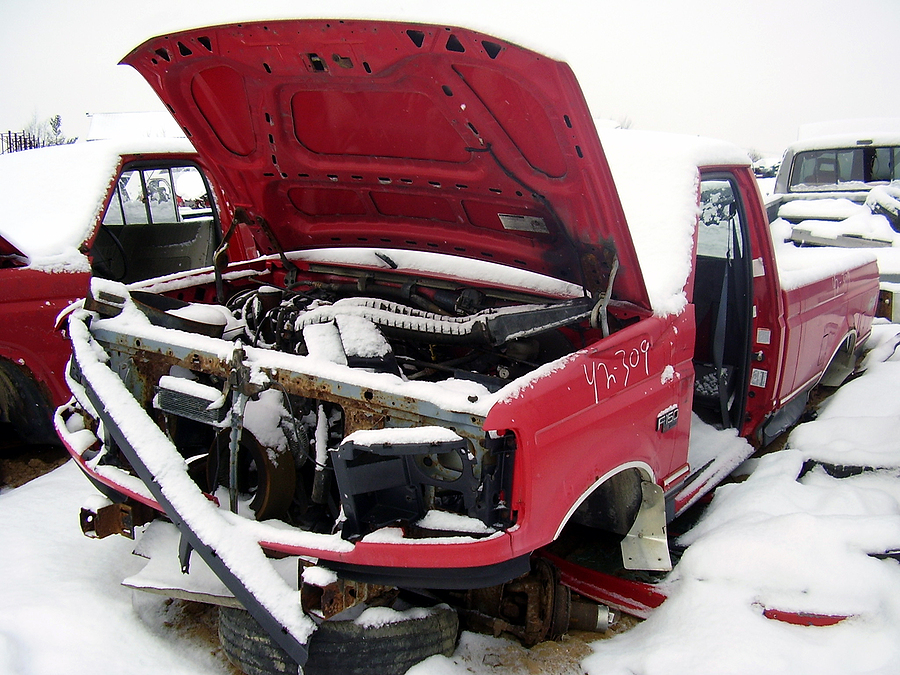
- Ford F-150: consistently one of the best-selling vehicles in America, the F-150 is a favorite for scrap buyers. Its large size provides a significant amount of scrap steel, and because there are so many on the road, there is a constant, high demand for replacement parts like doors, mirrors, and tailgates.
- Toyota Prius: While small and lightweight, the Prius is often the “crown jewel” of junk cars. Its catalytic converter contains higher concentrations of platinum, palladium, and rhodium than standard vehicles, making it incredibly valuable to recyclers.
- Honda Accord and Civic: These reliable sedans are everywhere. Their ubiquity means that salvage yards can easily sell the engines, transmissions, and alternators to mechanics looking for affordable repair solutions.
- Chevrolet Equinox and Ford Explorer: These SUVs occupy the “sweet spot” for buyers. They are heavier than sedans, boosting their scrap steel value, and they are popular family vehicles, ensuring a steady market for their used parts.
Why are Catalytic Converters Driving Junk Car Prices?
Catalytic converters contain rare Platinum Group Metals (PGMs)—platinum, palladium, and rhodium—which are essential for filtering exhaust emissions and trade at high market values.
You may have heard about the surge in catalytic converter thefts; this criminal trend is driven by the same economics that make legitimate scrapping profitable. The “cat” is an emissions control device located in your exhaust system. To scrub toxins from engine exhaust, manufacturers use a honeycomb structure coated in PGMs.
Rhodium, in particular, can be extremely valuable, often trading higher than gold. Hybrid vehicles, like the Toyota Prius, require more of these metals to keep the converter hot and efficient since the gas engine runs less frequently.
Consequently, a junk car buyer isn’t just buying your old car; they are buying a small mine of precious metals. If your junk car still has its original (OEM) catalytic converter, it is worth significantly more than one with an aftermarket replacement or a missing converter.
How Does Vehicle Weight Impact Your Cash Offer?
Scrap metal is bought by the ton, so heavier vehicles naturally command a higher baseline price regardless of their mechanical condition.
When a car has no resaleable parts—perhaps it was in a severe accident or is completely rusted out—its value is determined almost entirely by its weight. Auto recyclers crush these vehicles and sell the shredded metal to refineries to be melted down and repurposed.
This is where “curb weight” becomes your best friend. A compact car might weigh around 2,900 pounds, while a large truck or full-size SUV can weigh upwards of 5,000 pounds. Even if the price of steel is the same per ton, the truck will mathematically yield a much higher cash offer. If you are selling a heavy-duty vehicle like a suburban or a pickup, you can expect a solid floor for your price offers, simply because of the sheer amount of steel involved.
Does the Condition of the Engine Matter for Junk Buyers?
Yes, a running engine or transmission transforms a car from simple “scrap metal” into a “salvage vehicle,” often doubling or tripling its value. Not all junk cars are crushed immediately. Ideally, a buyer wants to dismantle the vehicle and sell its components individually. This is called “parting out.”
If your car was totaled due to body damage (like a rear-end collision) but the engine still runs perfectly, that engine is a high-ticket item. Engines and transmissions are the most expensive parts to replace in a vehicle. If a salvage yard can verify that your powertrain is functional, they can sell it to a repair shop or a DIY mechanic for a significant profit. Consequently, they can afford to pay you much more for the vehicle than they would if the engine were seized or blown.
Frequently Asked Questions
Do I need a title to sell my junk car?
In most cases, yes. The title proves you are the legal owner. However, some states and specific buyers may accept a vehicle without a title if it meets certain age and documentation requirements (like a valid ID and registration), but having the title always guarantees a smoother transaction and often a better price.
Should I remove parts before selling my junk car?
It depends. You might make extra money selling a high-end GPS or a new battery separately. However, removing major components like the catalytic converter, engine parts, or wheels will drastically lower the offer you receive from the junk buyer.
Does the price of scrap metal change?
Yes, scrap metal prices fluctuate daily based on global supply and demand, similar to the stock market. If steel prices are down, offers for junk cars will generally be lower across the board.
Will you pick up my car if it doesn’t run?
Most reputable junk car buyers offer free towing for non-running vehicles. Always confirm this before agreeing to a deal to ensure hidden fees don’t eat into your profit.
Quick Recap:
- Top Models: Ford F-150, Toyota Prius, Honda Accord, Chevy Equinox.
- High Value Factors: Heavy steel weight, rare metals in catalytic converters, and high demand for used parts.
- Engine: A working engine boosts value significantly over a non-working one.
- Documentation: A clean title ensures the fastest sale and best price.
Are you holding onto one of these most wanted models? Even if your car isn’t on the list, it still holds value. If you are in the Cincinnati, Ohio area, let us turn that vehicle into money in your pocket. We make it easy with free towing and cash paid on the spot.Don’t let that car rust away—find out what it’s worth today!
Related Post: Cash In: Precious Metals in Old Cars