
Saying goodbye to a vehicle that has reliably carried you for years can be a difficult decision. When a car finally breaks down for the last time or suffers severe damage, it often sits unused in a driveway or garage. Leaving a damaged vehicle to rust takes up valuable space and can even create environmental hazards as fluids slowly leak into the soil.
Fortunately, end-of-life vehicles have a much better destination than a local landfill. Automotive recycling offers a practical and eco-friendly solution for disposing of broken-down cars, trucks, and SUVs. By breaking down and reusing the metal, plastic, and functional parts, recycling facilities give these old vehicles a new purpose.
This process offers immense value to the local community in Ohio. Automotive recycling in Cincinnati helps protect the environment, supports the regional economy, and provides a safe way to dispose of hazardous materials. If you have an old car taking up space, learning how this process works can help you make an informed and responsible choice.
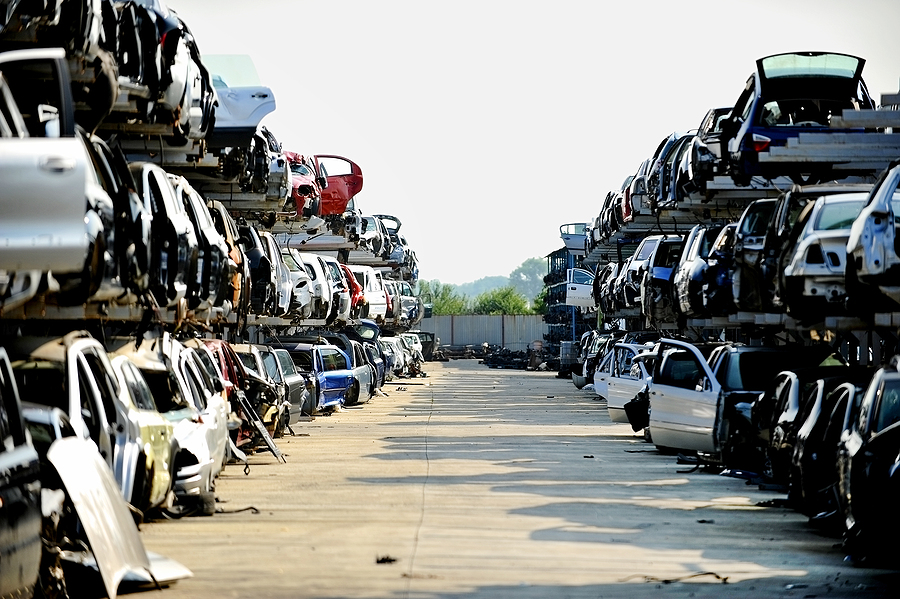
The Green Side of Junk Cars: Environmental Benefits in Cincinnati
Every vehicle on the road is a massive collection of steel, aluminum, rubber, and glass. When these materials are processed correctly, they offer significant environmental benefits.
Reducing Landfill Waste
Cars are large and heavy. If every broken-down vehicle went straight to a dump, we would quickly run out of landfill space. Recycling facilities carefully dismantle vehicles, ensuring that almost every component finds a second life. This diversion of waste is a major part of local sustainability goals. For example, local initiatives in Hamilton County continuously work to divert millions of pounds of waste from landfills, and keeping massive car frames out of the trash plays a massive role in that effort.
Conserving Natural Resources
Building a brand-new car requires mining fresh iron ore, extracting oil for plastics, and harvesting rubber. Automotive recycling reduces the need for these raw materials. When salvage yards melt down the steel from an old sedan, manufacturers can use that exact same metal to build new cars, appliances, or construction materials. This ongoing cycle of reuse preserves the earth’s limited natural resources.
Lowering Energy Consumption
Creating steel from scratch requires immense heat and energy. Refining recycled steel uses significantly less energy than processing virgin iron ore. By relying on recycled automotive scrap, manufacturers lower their greenhouse gas emissions and reduce their overall carbon footprint.
Economic Impact: Job Creation and Local Growth
The recycling industry is a powerful economic engine for the region. A circular economy assessment for Hamilton County showed that recycling activities supported thousands of jobs and generated hundreds of millions of dollars in economic impact.
Local Business Opportunities
Automotive recycling supports a wide network of local businesses. Tow truck drivers, salvage yard workers, and administrative staff all rely on this industry. Mechanics and independent auto repair shops also benefit because they can purchase affordable, high-quality used parts to fix their customers’ vehicles. This keeps money flowing within the Cincinnati economy.
Raw Material Supply
Major manufacturing sectors across Ohio depend on a steady supply of raw materials. Scrap metal separated at recycling plants goes directly to steel mills and foundries. This provides a cheap, reliable source of metal for industrial production, helping businesses keep their costs down and remain competitive in the global market.
The Automotive Recycling Process: From Scrap to Rebirth
Turning a wrecked vehicle into usable raw materials involves a highly structured procedure. Recycling facilities follow strict steps to maximize safety and efficiency.
Draining Fluids and Removing Hazardous Materials
The very first step is making the vehicle safe to handle. Workers carefully drain the motor oil, transmission fluid, coolant, and gasoline. They safely store these liquids to prevent them from contaminating local waterways. Technicians also remove the lead-acid battery and any mercury switches, which require specialized handling due to their toxicity.
Dismantling for Parts
Next, experts inspect the vehicle to find components that are still in good working condition. Items like alternators, starter motors, side mirrors, and infotainment systems are carefully removed, cleaned, and tested. These components are then sold as replacement parts, offering an affordable alternative for drivers needing repairs.
Shredding and Material Separation
Once the valuable parts and hazardous materials are gone, only the bare shell remains. Massive industrial shredders tear the vehicle frame into small chunks of metal and plastic. Giant magnets pull the valuable steel and iron away from the non-magnetic materials like plastic, rubber, and glass. The sorted metal is then shipped off to be melted down and repurposed.
Regulations and Compliance in Ohio’s Automotive Recycling
To protect public health, automotive recycling is a highly regulated industry. Facilities must adhere to strict guidelines to operate legally and safely.
State and Local Laws
The Ohio Environmental Protection Agency (EPA) closely monitors motor vehicle salvage yards. Facilities must secure specific permits, such as the National Pollutant Discharge Elimination System (NPDES) permit, which ensures that stormwater running off the property does not carry pollutants into local rivers. Yards must also keep detailed records of how they handle hazardous waste and scrap tires.
Environmentally Sound Practices
Modern recycling centers go above and beyond basic compliance. They utilize secondary containment systems to catch any accidental oil spills and use specialized equipment to capture air conditioning refrigerants. By following these environmentally sound practices, facilities protect Cincinnati’s soil and water quality while processing thousands of cars each year.
How Cincinnati Residents Can Contribute: Recycling Your Vehicle
You play a vital role in this sustainable cycle. If you own a car that has reached the end of its life, you have the power to dispose of it responsibly.
When to Consider Recycling
A vehicle is usually ready for recycling when the cost of repairing it exceeds its actual value. If your car has been heavily damaged in an accident, suffers from severe rust, or has a blown engine that is too expensive to replace, recycling is the most logical step. It removes the burden of expensive insurance and registration fees for a car you can no longer drive.
Choosing a Reputable Recycler
Not all scrap car buyers are the same. You want to look for a buyer who offers a straightforward, transparent process. A reliable service will provide clear pricing, handle the towing logistics, and ensure the vehicle is processed according to environmental regulations.
Frequently Asked Questions
What happens to my car after I recycle it?
After you hand over your vehicle, a facility will drain all hazardous fluids, remove any working parts for resale, and shred the remaining metal body. The shredded metal is then separated and sent to foundries to be melted down and reused in new products.
Do I get paid for recycling my car?
Yes, most reputable auto recyclers will pay you based on the current market value of scrap metal and the salvageable parts on your specific make and model.
Is automotive recycling safe for the environment?
When handled by licensed professionals, automotive recycling is incredibly beneficial for the environment. It prevents hazardous fluid leaks, reduces landfill waste, and saves massive amounts of energy and raw materials.
How do I prepare my car for recycling?
You should remove all personal belongings from the cabin and trunk. Take off the license plates so you can return them to the BMV or transfer them to a new vehicle. You must also have your title ready to prove ownership and complete the sale.
What types of vehicles can be recycled?
Almost any motorized vehicle can be recycled. This includes sedans, pickup trucks, SUVs, vans, and even motorcycles, regardless of their age, mileage, or current condition.
Driving Toward a Greener Future in Ohio
Automotive recycling is a vital service that benefits the entire Cincinnati area. It cleans up our neighborhoods, fuels the local economy, and drastically reduces the environmental footprint of our transportation systems. Getting rid of a broken-down car doesn’t have to be a stressful chore. It is a chance to contribute to a sustainable, circular economy.
Ready to clear out your driveway and get paid in the process? Recycle your junked or totaled vehicle at GC’s Junk Cars in Cincinnati. We pay cash on the spot and offer free scrap car towing to make the process completely hassle-free.
Related Post: How to Find Local Car Recyclers in Cincinnati