
A blown engine can feel like the end of the road for your car—but it doesn’t have to be the end of your options. When an engine “blows,” it usually means a catastrophic internal failure: a cracked block, seized pistons, or a failure severe enough that the car won’t run safely, if at all. For most owners, repair costs quickly outweigh the vehicle’s remaining value.
This matters because a dead engine doesn’t mean a worthless car. You still have choices, and understanding them can save you time, stress, and money. Below, we’ll cover how to sell a car with engine trouble, what affects its value, where to find buyers, and what kind of offer you can realistically expect.
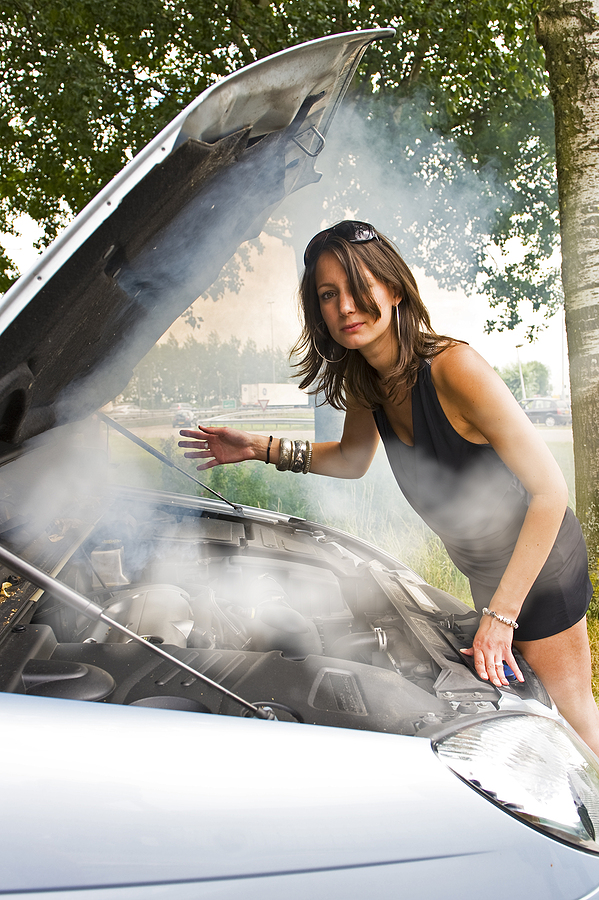
Can You Sell a Vehicle With a Blown Engine?
Yes, you can sell a car with a blown engine. You won’t get the same price you would for a running vehicle, but there’s a steady market for non-working cars, especially among junk car buyers, salvage yards, and part-out specialists who see value where a general buyer wouldn’t.
The right option depends on how much time you have, how much the car is worth in parts, and whether you’d rather avoid the hassle of a private sale altogether.
How to Sell a Car With Engine Problems
Sell to a Junk Car Buyer
This is often the fastest and simplest route. Junk car buyers specialize in non-running vehicles and typically offer cash on the spot, with many including free towing.
Sell Privately With Full Disclosure
If you have time to wait for the right buyer, a private sale with full, written disclosure of the engine issue can sometimes bring a better price—particularly if the rest of the car is in good shape. Be upfront about the problem and consider selling “as-is” with a signed bill of sale to protect both parties.
Trade-In at a Dealership
Some dealerships accept trade-ins with mechanical issues, applying a reduced value toward a new purchase. This is convenient, but offers are usually lower than what you’d get elsewhere.
Part Out the Vehicle
If your car has valuable components, such as a newer transmission, wheels, or electronics, selling parts individually can bring in more money than selling the car whole. It takes more effort and time, but it maximizes return on a vehicle that’s otherwise not running.
What Affects the Value of Your Vehicle
Several factors determine what buyers will offer:
- Extent of engine damage – A cracked block is worth less than a fixable issue.
- Make, model, and age – Popular models with strong parts demand often fetch more.
- Overall condition – Body damage, interior wear, and rust lower the offer.
- Market demand for parts – Buyers pay more if your specific parts are in demand.
Where to Sell Your Blown Engine Car
- Junk car buyers and salvage yards – Fast, straightforward, and often include free junk car towing.
- Online marketplaces – Wider reach, but requires more effort and patience.
- Local private buyers – Potentially higher offers with full disclosure.
- Dealerships – Convenient trade-in option, though usually lower value.
How Much Can You Expect to Get
Industry estimates from junk car buyer Pull-A-Part suggest junk vehicles typically bring $250 to $500, with some vehicles reaching up to $900 depending on size, completeness, and scrap metal prices. A complete Honda Civic might fetch around $250, while a larger vehicle like a Chevy Suburban could bring closer to $500.
Your car’s weight, completeness (engine, transmission, wheels, catalytic converter), and extent of damage all play into the final number. It’s worth getting multiple quotes, since many “junk car buyers” are lead-generation services rather than actual junkyards, and prices can vary significantly between them.
Frequently Asked Questions
How quickly can I sell a car with a blown engine?
Junk car buyers can often arrange a sale and pickup within a day or two, making this the fastest selling method.
Will I need to disclose the engine problem?
Yes. Honesty protects you legally and ethically. For private sales, put the disclosure in writing as part of your bill of sale.
Is it worth fixing a blown engine before selling?
Usually not. Repair costs often exceed what you’d recoup in added resale value, especially on older vehicles.
What paperwork do I need to sell a junk car?
In Ohio, you’ll need the vehicle title with a notarized assignment of ownership, or BMV form 3770 for electronic titles. Check with the Ohio BMV for current requirements before finalizing your sale.
Ready to Sell Your Car With a Blown Engine?
Whether you choose a private sale, a trade-in, or parting out the vehicle, selling a car with a blown engine is entirely possible, and often easier than owners expect. The right choice comes down to your timeline and how much effort you want to put in.
If you’re in the Cincinnati, Ohio area and want a quick, hassle-free solution, contact GC’s Junk Cars for a free quote on your vehicle today.
Related Posts:
FAQS That Start With ‘Can I Sell My Junk Car if’
When Engine Failure Totals Your Car
To Repair or Not to Repair? Dealing with Total Loss Cars