
Rust doesn’t just make a car look worn out—it quietly eats away at what your vehicle is actually worth. If you’re thinking about selling an older or damaged car, rust is one of the biggest factors buyers will consider before making an offer.
Here’s the hard truth: severe rust can slash your car’s value by 40-60% or more. What starts as a small orange patch on a fender can spread into the frame, the undercarriage, and the safety components that keep the vehicle roadworthy.
The good news? Knowing how rust severity works helps you make a smart, informed decision about when and how to sell. This guide breaks down the types of rust, where it does the most damage, and what it all means for your wallet.
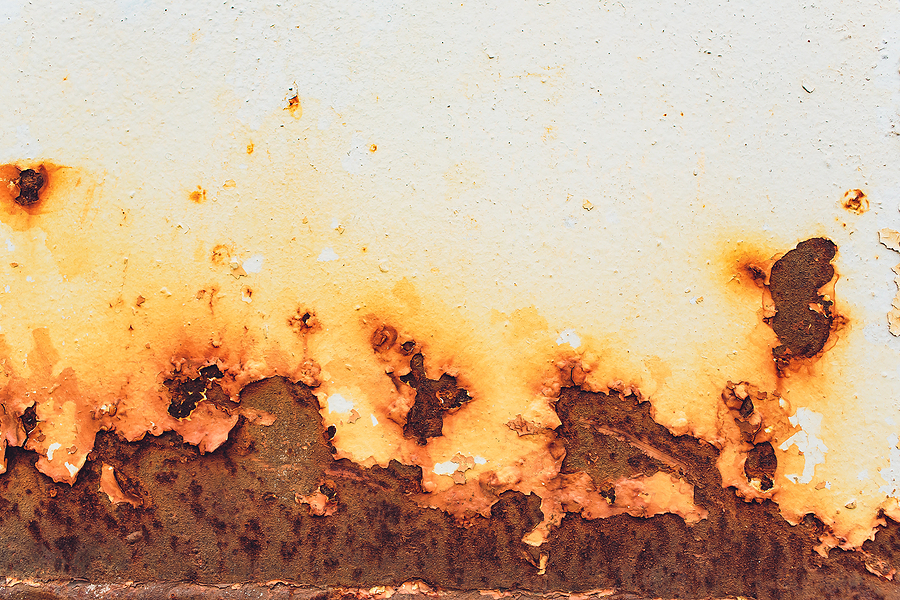
How Rust Damages Car Value
Not all rust is created equal. Buyers separate rust into two broad categories, and the difference matters a great deal.
Surface rust is the shallow, cosmetic kind you can often see on paint and body panels. It looks unpleasant, but it usually hasn’t compromised anything important yet.
Structural rust is the serious one. This is rust that has worked its way into the frame, suspension, or load-bearing metal. It affects safety, mechanical performance, and the overall integrity of the vehicle.
Dealerships and junk car buyers factor rust into their valuations right away. A quick inspection tells them how far the corrosion has spread—and how much it will cost to deal with. The deeper the rust, the lower the offer.
Types of Rust and Their Impact
Rust develops in stages. The stage your car is in has a direct effect on its value.
Surface Rust
Surface rust is the earliest and least damaging form. It appears as light discoloration or small spots where paint has chipped and moisture has reached the metal.
This type is mostly cosmetic. Buyers may knock off a modest amount—often in the range of 15-40%, depending on how widespread it is—but the car remains structurally sound.
Scale Rust
Scale rust goes deeper. Once surface rust is left untreated, it starts to bubble and flake, eating into the metal beneath the paint.
This stage signals neglect and ongoing maintenance issues. Buyers see scale rust as a warning sign that more problems are hiding underneath, and they adjust their offers accordingly.
Structural Rust
Structural rust is the most severe and the most expensive. It compromises the frame, rocker panels, and other components the car depends on for safety.
At this point, the value drop is steep. Vehicles with structural or frame rust commonly lose 30-50% of their value or more. In many cases, the cost to repair it exceeds what the car is worth.
Where Rust Appears Most
Location matters just as much as severity. The same amount of rust can mean very different things depending on where it shows up.
Undercarriage and Frame
The undercarriage and frame are the most costly areas to repair. Rust here threatens the car’s core structure. Fixing it can range from a few hundred dollars to $4,000 or more if the corrosion has reached the frame, steering, or suspension.
Body Panels
Doors, fenders, and rocker panels affect the car’s appearance and curb appeal. Rust in these spots lowers aesthetic value, though it’s generally less severe than frame damage.
Engine Bay
Rust in the engine bay is a red flag for buyers. It usually points to poor maintenance history and raises questions about the condition of the mechanical systems.
The Real Cost of Rust on Your Car’s Value
Rust isn’t something you can hide. Buyers perform inspections and spot corrosion almost immediately.
Here’s why it hits your value so hard:
- Repairs often cost more than the car is worth. Structural rust repairs frequently start at $1,000 and climb quickly. For an older vehicle, that math rarely works in your favor.
- Junk car buyers price rust in. Extensive rust means less usable metal and fewer salvageable parts, which leads to lower offers.
- Private buyers walk away. Most everyday buyers don’t want to take on the risk or repair costs that come with a heavily rusted car.
Should You Sell a Rusty Junk Car?
If your car has visible rust, selling it to a private buyer becomes an uphill battle. Many will pass entirely, and the ones who don’t will expect a steep discount.
Local junk car buyers, on the other hand, specialize in damaged and rusted vehicles. They understand salvage value and offer fair prices regardless of how much rust your car has.
Timing is important, too. The longer rust sits, the more it spreads—and the more value your car loses. Selling sooner rather than later helps you get the most out of a vehicle that’s already on its way out.
Frequently Asked Questions
How much does rust reduce a car’s value?
It depends on severity and location. Surface rust may lower value by 15-40%, while structural or frame rust can cut it by 30-50% or more. Severe cases often reduce a car’s worth by 40-60% or more.
Can rust be fixed before selling?
Yes, but it’s rarely worth it on a junk car. Cosmetic repairs cost around $300 to $1,000, and structural repairs often exceed $1,000. For an older vehicle, you likely won’t recover what you spend.
Is it better to sell a rusty car to a junk yard or a private buyer?
A junk car buyer is usually the better option. Private buyers tend to avoid rusted cars, while junk car buyers offer fair prices for vehicles in any condition.
Get a Fair Offer Today
Severe rust takes a real toll on your junk car’s value, making it significantly harder to sell through traditional channels like private buyers or dealerships. Whether it’s surface rust affecting your car’s appearance or structural rust compromising its integrity, the impact on your offer can be substantial. The sooner you act, the more you stand to recover — waiting too long only allows the rust to spread further, potentially pushing your car’s value even lower.
If you have a rusty vehicle you’re ready to part with, contact GC’s Junk Cars in Cincinnati, Ohio, for a fair, no-hassle valuation today.
Related Posts:
Scrap Metal in Junk Cars: Types, Values, and Eco-Benefits
How to Sell a Car with Rust Damage and Get Cash for It
A Mechanic’s Guide to Turning Scrap Car Parts into Cash