
There’s nothing quite like the sinking feeling of turning your key and hearing nothing but a click. A dead battery has a way of striking at the worst possible moment—before work, after a late-night errand, or in a parking lot far from home. The good news is that a dead battery doesn’t have to mean the end of your day.
Batteries lose their charge for all kinds of reasons: extreme temperatures, headlights left on overnight, or simply old age (most batteries last three to five years). Whatever the cause, jump starting your car is often a quick fix—as long as you follow the right steps in the right order.
This guide walks you through exactly how to jump start a car battery safely, the tools you’ll need, and the mistakes that trip up even experienced drivers.
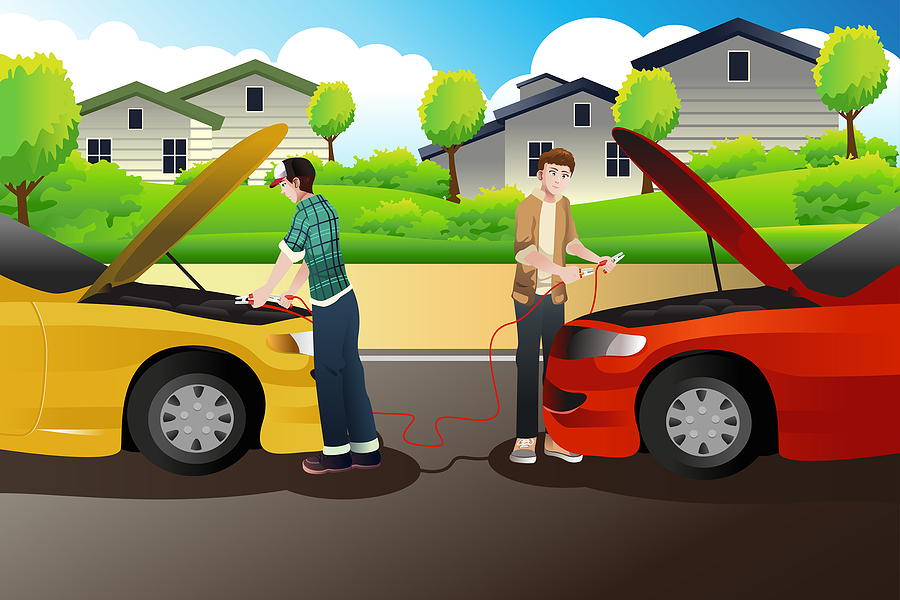
Tools and Materials You’ll Need
Before you get started, gather the following:
- Jumper cables: Look for a set at least 10 feet long with sturdy, corrosion-free clamps.
- A working vehicle: You’ll need a car with a charged battery to act as the donor.
- Safety gloves and glasses: These aren’t required, but they’re strongly recommended. Batteries release hydrogen gas, and protective gear can prevent injury if anything goes wrong.
Once you have your supplies, you’re ready to begin.
Step-by-Step Guide to Jump Starting a Car Battery
1. Position Both Vehicles Correctly
Park the working vehicle close enough that the jumper cables can comfortably reach both batteries, but make sure the two vehicles never touch. Contact between them can create unpredictable electrical paths. Put both cars in Park or Neutral, engage the parking brakes, and turn off the engines.
2. Connect the Positive Cable to the Dead Battery
Attach the red clamp to the positive (+) terminal on the dead battery. The positive terminal is typically marked with a plus sign and is often the larger of the two posts.
3. Connect the Positive Cable to the Working Battery
Take the other red clamp and attach it to the positive terminal on the working vehicle’s battery.
4. Connect the Negative Cable to the Working Battery
Attach one black clamp to the negative (-) terminal on the working battery.
5. Connect the Negative Cable to an Unpainted Metal Surface on the Dead Car
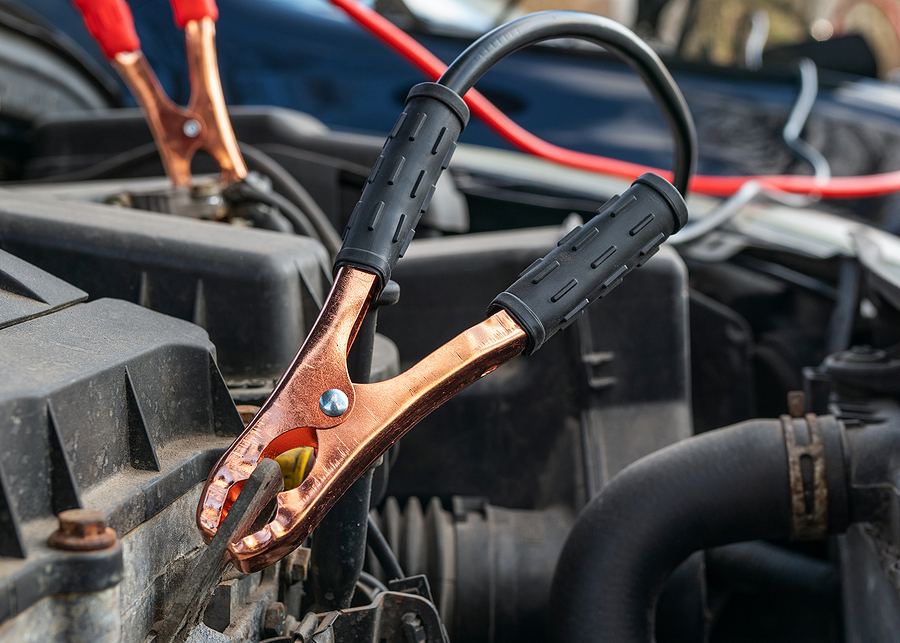
This step trips up a lot of drivers. Instead of clamping the final black cable to the dead battery’s negative terminal, attach it to a clean, unpainted metal surface on the engine block or frame—ideally 12 inches or more from the battery. This creates a safer path for the final spark, keeping it away from the battery’s hydrogen gas. Industry professionals have followed this practice for decades because it significantly reduces the risk of an explosion.
6. Start the Working Vehicle
Start the donor vehicle and let it idle for a minute or two. This allows some charge to transfer to the dead battery before you attempt to start the second car.
7. Start the Dead Vehicle
Turn the key in the dead vehicle. If it doesn’t start within 10 seconds, stop, wait 30 seconds, and try again. If it still won’t start after three attempts, the issue may be more than a dead battery.
8. Remove the Cables in Reverse Order
Once the dead vehicle starts, disconnect the cables in the exact opposite order you connected them: negative from the engine block first, then negative from the working battery, followed by both positive clamps. After the jump, drive for at least 20 to 30 minutes to give the alternator time to recharge the battery.
Safety Tips to Follow
Jump starting a car is generally safe, but a few precautions go a long way:
- Never jump a battery that’s cracked, leaking, swollen, or frozen. Damaged batteries carry a higher risk of explosion.
- Avoid touching metal parts on either vehicle while the cables are connected. This reduces your risk of shock or burns.
- Keep metal objects, including jewelry, away from the terminals. Rings and watches can conduct electricity and cause serious burns.
- Wear protective equipment when handling batteries. Gloves and safety glasses protect against acid exposure and sparks.
Common Mistakes to Avoid
Even well-intentioned drivers make errors that turn a simple task into a costly one:
- Connecting cables in the wrong order. This is the most common—and most dangerous—mistake. It can spark near the battery or damage a vehicle’s electrical system.
- Revving the engine too quickly. Give the working battery time to transfer charge before pushing the engine hard.
- Leaving cables connected too long. Once the dead vehicle starts, remove the cables promptly and drive to recharge the battery naturally.
- Jump starting a damaged or old battery. If your battery is more than five years old or shows signs of damage, jump starting it may only delay an inevitable replacement.
Frequently Asked Questions
How long should I let the working car run before starting the dead car?
Let the donor vehicle idle for one to two minutes before attempting to start the dead car. This gives the dead battery a small initial charge.
Can I jump start my car alone?
It’s possible if you own a portable jump starter, which eliminates the need for a second vehicle. Without one, you’ll need another car and driver to assist.
What should I do if the jump start doesn’t work?
If the car won’t start after three attempts, stop trying. Continued cranking can damage the starter motor. At this point, it’s best to call roadside assistance or a mechanic to inspect the battery and electrical system.
Keep Your Car Running—Or Turn It Into Cash
Knowing how to jump start a car battery safely can save you time, money, and stress the next time you’re stuck with a dead battery. Practice these steps now, so you’re prepared before an emergency strikes.
But if your vehicle is beyond a jump start—whether it’s an old battery that won’t hold a charge, a car that’s reached the end of its life, or a vehicle you simply don’t need anymore—GC’s Junk Cars in Cincinnati, Ohio can help. We pay cash on the spot for junk vehicles and offer free towing, so you can skip the hassle and get paid fast. Contact us today for a quote.
Related Posts:
The Green Way to Power Down: Ensuring Safe Car Battery Disposal
Car Battery Buying Guide: Everything You Need to Know
Common Car Alternator Problems: A Guide for Car Owners