
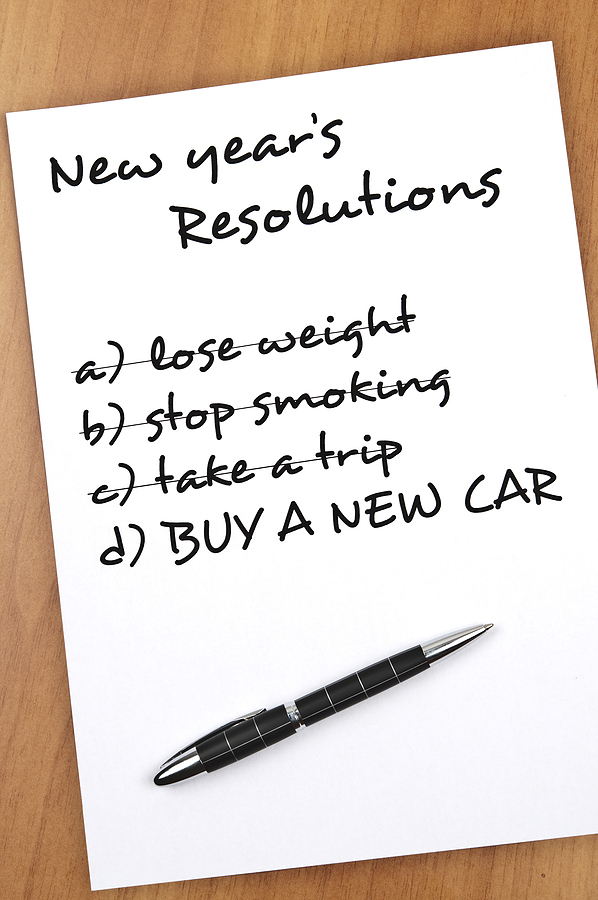
The start of a new year often brings a desire for fresh beginnings. Whether it is reorganizing your home, setting financial goals, or upgrading your daily commute, January feels like the right time to make a change. If you have an old, unreliable vehicle sitting in your driveway—or perhaps a non-running car taking up space in the garage—you might see it as a burden. However, that rusting metal is actually a financial asset waiting to be unlocked.
Many drivers hold onto vehicles past their prime because they assume the trade-in value is negligible or the hassle of selling privately is too high. Yet, there is a third option that benefits both your wallet and the environment: scrapping your car. By converting that liability into liquid cash, you can generate a significant portion of a down payment for a safer, more reliable new vehicle.
Understanding the process of automotive recycling is the first step toward upgrading your ride. It is not just about getting rid of “junk”; it is about leveraging the residual value of steel and parts to fuel your next purchase.
The Hidden Value in a Scrap Car
When you look at a car that no longer runs or costs more to repair than it is worth, you might see waste. The automotive recycling industry, however, sees a goldmine of raw materials. Your vehicle is a complex machine primarily composed of steel, aluminum, and other recyclable components that hold market value regardless of whether the engine turns over.
Financial Benefits
The most immediate benefit is, of course, the cash. Scrapyards pay based on the weight of the vehicle and the current market price of scrap metal. While prices fluctuate, a standard sedan or SUV can yield a surprising amount of money instantly. Unlike a private sale, where you might wait weeks for a buyer who negotiates endlessly, scrapping is typically a fast transaction. This provides you with immediate funds that can go directly into your “new car” fund.
Environmental Impact
Beyond the financial gain, scrapping your car is a responsible choice for the planet. According to the Automotive Recyclers Association, approximately 86% of a vehicle’s material content is recycled, reused, or used for energy recovery.
When you scrap a car, you are contributing to a massive conservation effort. Recycling steel uses significantly less energy than producing new steel from raw iron ore. Furthermore, professional auto recyclers ensure that hazardous fluids—such as engine oil, transmission fluid, antifreeze, and mercury from old switches—are drained and disposed of according to strict EPA guidelines. If left to rot in a field or driveway, these fluids can eventually leak, contaminating soil and groundwater.
Finding a Trustworthy Scrapyard in Town
Not all automotive scrapyards operate with the same level of professionalism. To ensure you get a fair price and protect yourself from liability, it is essential to choose a reputable junk car buyer.
Verify Licensing and Reviews
Start by looking for local junk car lots with positive community feedback. Reviews can tell you a lot about a business’s transparency regarding pricing and pickup. Additionally, ensure they are compliant with local regulations. In Ohio, for example, legitimate car scrappers follow strict guidelines regarding vehicle titles to prevent theft and fraud.
Beware of “Bait and Switch”
A common tactic among disreputable operators is the “bait and switch.” They may quote you a high price over the phone, but when the tow truck arrives, they offer significantly less, banking on the fact that you just want the car gone. A reputable scrap car buyer will stand by their quote, provided the condition of the car matches your description.
Ask About Towing Fees
Always clarify if towing is included in the offer. Some companies will offer a higher payout but then charge a hefty fee to remove the vehicle, eating into your profit. The best services usually offer free removal as part of the deal.
Request a Free Junk Car Appraisal in Cincinnati ✅
Maximizing Your Return
To get the most cash for your down payment, a little preparation goes a long way. You want to present the vehicle in a way that makes the transaction smooth for the buyer.
Remove Personal Items
It sounds simple, but many people forget to check under the seats, in the glove box, and in the trunk. Once the car is towed away, retrieving that forgotten pair of sunglasses or important paperwork is nearly impossible.
Don’t Remove Parts (Unless You Know What You’re Doing)
Generally, scrapyards pay for weight. If you start stripping parts off the car—like the battery, alternator, or catalytic converter—to sell separately, the yard will likely reduce their offer. Unless you are a skilled mechanic with a buyer lined up for those specific parts, it is usually more profitable and efficient to sell the vehicle whole.
Prepare the Paperwork
This is the most critical step. You cannot legally scrap a car without proving you own it. In Ohio, you must have the Certificate of Title.
- Assignment of Ownership: You will need to complete the “assignment of ownership” section on the back of the title.
- Notarization: Your signature must be notarized. Do not sign the title until you are in the presence of a notary public.
- License Plates: Under Ohio law (O.R.C. 4503.12), you are required to remove the license plates upon the transfer of ownership. Do not let the tow truck drive away with your plates attached.
Having these documents ready prevents delays and ensures you are no longer liable for the vehicle once it leaves your property.
Turning Scrap into a Down Payment
Once you have the cash in hand, the strategy shifts to purchasing your new vehicle. That few hundred (or thousand) dollars might not seem like the full price of a new car, but it is a powerful tool when financing.
Lowering Your Monthly Payment
Every dollar you put down reduces the principal amount of your loan. A solid down payment—supplemented by your scrap cash—can significantly lower your monthly mortgage. For example, an extra $500 down might not seem huge, but over the life of a 60-month loan with interest, it saves you money and lowers the monthly burden.
Improving Approval Odds
Lenders view borrowers with larger down payments as lower risk. If your credit score is on the borderline, the cash from your scrapped car could be the factor that tips the scale in favor of loan approval or helps you qualify for a lower interest rate.
Covering Fees
Even if you don’t use the cash strictly for the principal, it can cover the “hidden” costs of buying a new car, such as sales tax, documentation fees, or the first year of registration. This keeps your savings account intact while you handle the upfront costs of the purchase.
Key Takeaways
Holding onto a junk car costs you space, peace of mind, and potentially money in insurance or registration fees for a vehicle you rarely use. By scrapping it, you close the chapter on an old, unreliable machine and open the door to a safer, more modern vehicle.
The process is straightforward: verify your ownership, find a reputable local buyer, and turn that heavy metal into a lighter financial load. It is a practical, eco-friendly way to kick off the new year.
If you are in the Cincinnati, Ohio area and are ready to turn that old vehicle into cash for your next down payment, we are here to help. We offer competitive cash payouts on the spot and provide free junk car removal, so you don’t have to worry about towing logistics. Contact Us Today to get your instant quote and start your journey toward a new car today.
Related Post: Understanding Fair Market Prices for Junk Cars