The Ultimate Guide to Recycling Auto Parts 

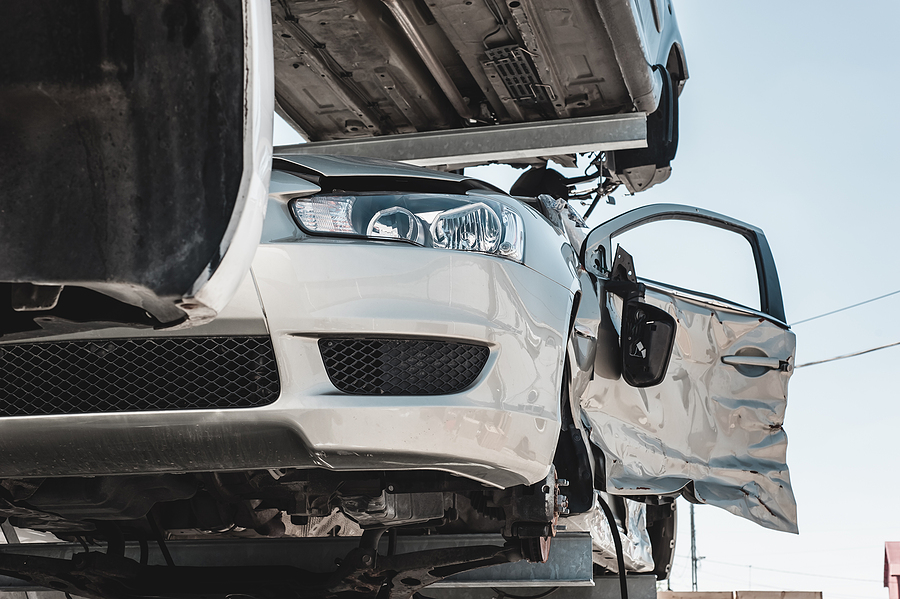
Recycling isn’t just about tossing paper or plastic into a bin at home; it extends to bigger, more resource-heavy items too, like auto parts. Every year, millions of vehicles are retired, leaving behind a wealth of materials that could be recycled rather than wasted. The automotive recycling industry is massive, contributing over $25 billion annually to the U.S. economy (Institute of Scrap Recycling Industries, 2023). But beyond economics, recycling car parts offers significant environmental and social benefits.

If you’ve been wondering what happens to vehicle parts after their time on the road and how you can contribute to a more sustainable future, this guide will walk you through everything you need to know.

Call 513-991-4776 if You are Looking to Recycle Auto Parts in Cincinnati Ohio

Why Recycling Auto Parts Matters 

Recycling isn’t just a “nice-to-have” practice anymore; it’s a critical step toward sustainability. Here’s why recycling automotive parts matters so much:

Reduces Landfill Waste and Pollution 

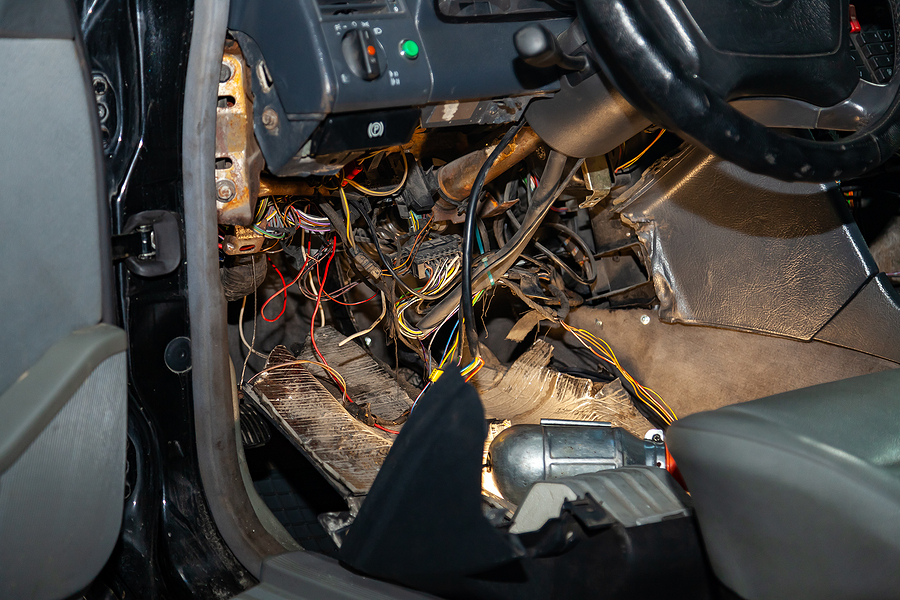
Cars are made of materials like steel, aluminum, rubber, plastics, and even toxic substances like lead-acid (in vehicular batteries). Without proper recycling, these components inevitably end up in landfills, where they pollute our air, water, and soil. Recycling prevents unnecessary waste and helps minimize harmful environmental impacts. 

  • Did you know? Recycling steel car parts reduces air pollution by 86% and water pollution by 76% compared to producing new steel (Steel Recycling Institute).

A Cost-Effective Alternative 

Automotive repairs aren’t cheap—but recycled vehicle parts can help lower costs significantly. For many drivers and vehicle owners, opting for high-quality recycled auto parts is a way to maintain their vehicles affordably without sacrificing safety or functionality. 

Conserves Critical Resources 

Recycling auto parts reduces the need for extracting new raw materials, thereby conserving natural resources like iron ore and petroleum. For instance, the energy saved from recycling just one ton of steel is enough to power 18 million homes for a year. 

The Benefits of Recycling Automotive Parts 

Still on the fence? Here’s why you should consider recycling automotive parts whenever possible:

Environmental Protection

Recycling car parts helps prevent harmful substances like lead, mercury, and motor oil from leaking into soil and waterways, protecting ecosystems and reducing pollution. By choosing to recycle, you’re contributing to a healthier planet and supporting sustainable practices in the automotive industry.

Economic Impact

With approximately 12 million retired vehicles recycled annually in the U.S., the automotive recycling industry not only helps conserve resources but also supports thousands of jobs nationwide. It plays a key role in strengthening the secondhand car parts market, making affordable parts available to consumers and businesses.

Waste Reduction

Did you know that about 40% of the ferrous metal scrap supply in the U.S. comes from junk car recycling? Instead of letting usable materials end up in landfills, recycling ensures metals, plastics, and other materials are recovered and given a second life, reducing unnecessary waste and conserving natural resources. 

Recycling car parts isn’t just good for the planet—it’s good for the economy and helps minimize waste. Make a difference by choosing to recycle whenever you can!

In Ohio? See How Much Your Parts are Worth!

Common Car Parts You Can Recycle 

Looking to get started? Here’s a list of auto parts frequently accepted at local recycling centers or scrap yards:

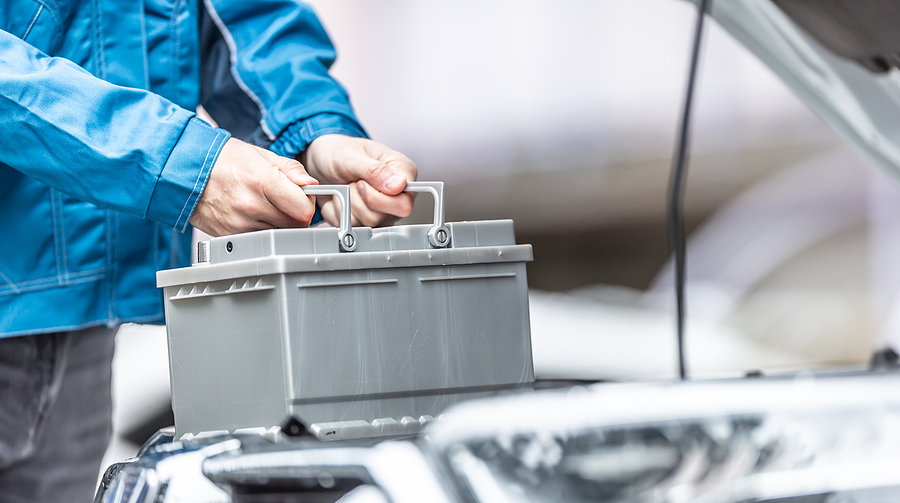
  • Car Batteries – Car batteries contain lead and acid, which are toxic if improperly discarded. Recycling one battery can prevent 17 pounds of lead from polluting the environment.
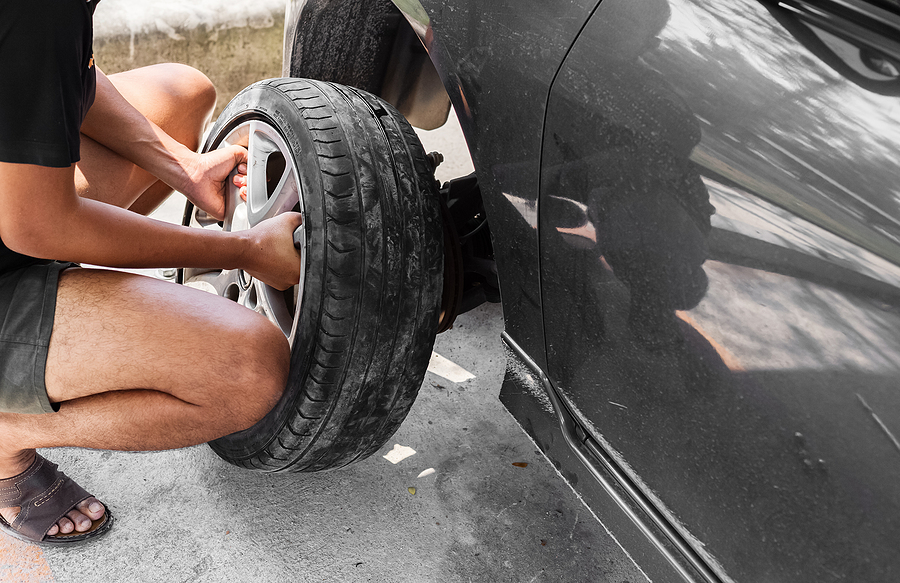
  • Tires – Recycled tires can be repurposed into playground surfaces, road materials, or other rubber products. 
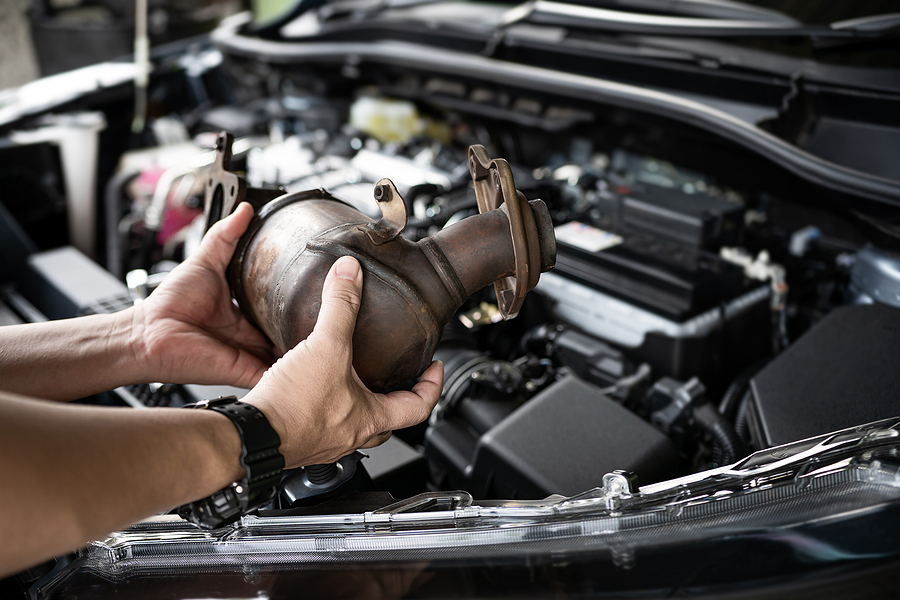
  • Catalytic Converters – These are highly valuable due to their precious metals, including platinum and rhodium. Not only can you recycle catalytic converters, but scrap dealers will often pay for them. 
  • Engine and Transmission Components – Many steel or aluminum parts from engines and transmissions can be melted down and reused in manufacturing. 
  • Steel and Aluminum Body Frames – One of the most commonly recycled materials, steel accounts for nearly 50% of all vehicle weight and is easily repurposed (World Steel Association, 2023). 

Local Recycling Guidelines and Limitations 

While many materials can be recycled, some restrictions exist. Here are a few key considerations to keep in mind when recycling car parts:

  • Fluid Disposal – Before recycling, ensure your vehicle fluids (like oil, coolant, and brake fluid) are removed and disposed of according to local hazardous waste regulations. 
  • Battery Recycling – Lead-acid batteries must be taken to authorized collection sites. Retailers that sell new batteries often accept old ones for recycling. 
  • Tires – Tire recycling programs vary by location. Some may charge a small fee, while others offer periodic free collection events. 
  • Catalytic Converters – Due to their high value, recycling catalytic converters often requires following specific legal guidelines to ensure they aren’t stolen components, including proof of ownership.
  • Special Handling for Hazardous Parts – Mercury switches and asbestos (e.g., from brake pads) require certified disposal. 

Always contact your local recycling center or environmental agency to verify regulations specific to your area. 

FAQs About Recycling Auto Parts 

What types of auto parts can be recycled? 

Many parts, including tires, batteries, catalytic converters, metals, and even some plastics, can be recycled.

How does recycling car parts benefit the environment? 

It conserves resources, reduces the need for raw material extraction, and lowers pollution associated with manufacturing new automotive components. 

Can I earn money from recycling auto parts? 

Yes! Scrap yards often pay for valuable metal parts or high-demand items like catalytic converters. 

What should I do with parts that can’t be recycled? 

Non-recyclable parts, especially those containing hazardous materials  like Freon or asbestos, should be taken to designated waste collection sites. 

Can I recycle automotive parts myself? 

While you can remove and repurpose some parts yourself, professional recycling centers are better equipped to handle hazardous components safely. 

Small Steps for Big Change 

Recycling auto parts isn’t just about decluttering your garage; it’s an actionable way to reduce your environmental footprint, conserve critical resources, and even save money. By understanding what can and cannot be recycled and partnering with trusted recycling centers, you’re making a difference—not just for yourself, but for the planet. 

Whether you’re getting rid of old car parts or planning your next repair, make recycling a priority. Together, we can reduce waste and create a more sustainable future. 

To get started, connect with GC’s Junk Cars in Cincinnati and take the first step toward greener car ownership today. We pay cash on the spot for all used and broken automotive parts. Plus, we tow away scrap cars for free! Get a free offer for your scrap today!

Get Your Free Offer Now

Related Post: The Ultimate Guide to Airbag Recycling

Understanding Dashboard Lights: When to Worry and What to Do 

When a dashboard light flickers on, your first reaction might be panic, confusion, or even outright annoyance. What does that glowing symbol mean? Should you pull over? Can you safely keep driving?

Dashboard lights act as your car’s way of communicating its health and functionality. Understanding these lights can save you significant stress, time, and money while ensuring your safety on the road. 

This guide will walk you through what dashboard lights signify, which ones demand immediate attention, and when you should consult a professional or consider alternative solutions like scrapping your car for cash. 

Call 513-991-4776 to Get a Quote From a Totaled Car Scrapper in Cincinnati OH

What Are Automotive Dashboard Lights?

Dashboard lights are visual indicators on your car’s dashboard display that communicate potential issues, active systems, or reminders. They come in three main categories: 

Warning Lights 

These lights indicate a serious problem that needs immediate attention. Examples include the Check Engine Light, Battery Light, or Temperature Warning Light. 

Caution Lights 

Caution lights serve as alerts for potential issues or reminders to take preventive action, such as the Tire Pressure Monitoring System (TPMS) Light. 

Indicator Lights 

Indicator lights provide information about active systems, such as the Turn Signal Indicator or High Beam Light. 

Understanding the category of the light is the first step to assessing its importance. 

Common Dashboard Lights and Their Meanings 

Here’s a breakdown of several common dashboard lights you’re likely to encounter and what they might mean. 

Brake Warning Light 

  • What it means: This light typically indicates a low brake fluid level, worn brake pads, or a more severe issue like a faulty brake system. 
  • What to do: Pull over and inspect brake fluid levels. If the issue persists, avoid driving and have your car towed to a mechanic. 
  • Example repair cost: Brake pad replacement ranges from $150 to $300 per axle. 

Check Engine Light 

  • What it means: This could range from a loose gas cap to a serious engine fault. A steady light often indicates minor issues, while a flashing light signals immediate attention is required. 
  • What to do: Use a code reader to diagnose the issue or visit a mechanic if the light keeps flashing. 
  • Example repair cost: Replacing an oxygen sensor might cost $200-$300, while more complex repairs can go upwards of $500, sometimes $1,000+. 

Battery Light 

  • What it means: This light signals an issue with your charging system. Common causes include a failing alternator or battery. 
  • What to do: Get the battery and charging system checked immediately, especially if you notice dim headlights or trouble starting your car. 
  • Example repair cost: Alternator replacement can cost $300-$800. 

Oil Pressure Light 

  • What it means: Low oil pressure could indicate a leak, a bad oil pump, or critically low oil levels. 
  • What to do: Check your oil levels immediately. If low, add oil and monitor. If it persists, address it with a mechanic to prevent engine damage. 
  • Example repair cost: Oil pump repair can start at $300 and go up depending on labor costs. 

Temperature Warning Light 

  • What it means: Your engine is overheating, often due to low coolant levels, a failing thermostat, or radiator problems. 
  • What to do: Pull over and allow your car to cool. Check coolant levels and refill if necessary. Seek professional help promptly. 
  • Example repair cost: Replacing a radiator may cost $500-$1,000. 

Dashboard lights are not all created equal. Knowing when to take action can save both your vehicle and your wallet. 

Scrap Your Problematic Car For Cash!

When to Seek Professional Help 

While some dashboard lights can be addressed with basic fixes, others require immediate professional attention. Here’s how to assess the severity of an issue. 

Tips for Gauging Severity 

  • Color coding: Red lights generally mean stop immediately, while yellow or orange lights suggest caution. 
  • Flashing lights: A flashing light often indicates a critical issue requiring immediate action. 
  • Accompanying symptoms: Unusual noises, smells, or performance changes point to a more serious problem. 
  • Consult the manual: Your car’s owner’s manual provides specific guidance for each light. 

When in doubt, take your car to a trusted mechanic. A diagnostic scan can uncover the root of the problem. 

When Car Repair Costs Exceed Total Car Value 

If your vehicle’s issues seem overwhelming or repairing it won’t make financial sense, consider scrapping it. Junk car buying companies like GC’s Junk Cars in Cincinnati, Ohio, offer a hassle-free way to turn your car into cash. 

Here’s how it works with GC’s Junk Cars in Cincinnati:

  1. Share details about your vehicle (make, model, condition). 
  2. Receive a fast offer. 
  3. Schedule a free pick-up. 
  4. Get paid on the spot. 

Avoid spending more than your car is worth by exploring value-driven options like this. 

Preventative Tips to Avoid Dashboard Light Issues 

Many dashboard light triggers can be avoided with preventive maintenance. Implement these tips to keep your car running smoothly and avoid costly surprises:

  • Stick to maintenance schedules: Routine oil changes and tune-ups can prevent many issues. 
  • Inspect fluid levels: Regularly check engine oil, coolant, brake fluid, and power steering fluid. 
  • Monitor tire pressure: Proper tire inflation is crucial for safety and fuel efficiency. 
  • Check belts and hoses: Replace cracked or worn components proactively. 
  • Address minor issues quickly: Don’t delay repairs for small issues, as they can escalate. 

A little effort now can save you headaches later. 

Frequently Asked Questions About Dashboard Lights 

Can I still drive my car if the check engine light is on? 

If the light is steady and the car runs normally, you can drive short distances but should still get it checked soon. A flashing light indicates a severe issue; avoid driving and seek immediate help. 

Will disconnecting the battery reset dashboard lights? 

It might temporarily reset some lights, but it doesn’t solve the underlying problem. The light will likely return unless the issue is addressed. 

How accurate are code readers? 

Budget-friendly code readers provide a basic understanding of problems but don’t replace a professional diagnostic scan for a complete and accurate diagnosis. 

Can low tire pressure trigger a dashboard light? 

Absolutely. Many vehicles have a tire pressure monitoring system (TPMS) that illuminates a light when pressure is too low. Always maintain proper tire inflation to avoid risks. 

Is it possible to have a faulty sensor triggering a dashboard light? 

Yes. Faulty sensors are common culprits, and a mechanic can diagnose and replace them with appropriate tools. 

Conclusion 

Dashboard lights are your vehicle’s way of communicating vital information, guiding you to ensure safety and optimal performance. By understanding the common reasons behind these alerts—whether it’s low tire pressure, routine maintenance, or a faulty sensor—you can make informed decisions and act promptly. Ignoring these signals can lead to costly repairs or unsafe driving conditions, so always address them as soon as they appear.

When in doubt, consult a trusted mechanic for professional guidance and resolution. Staying attentive to these small warnings can go a long way toward keeping your vehicle in top shape and granting you peace of mind on the road.

Whether it’s a poorly running Honda, KIA, Toyota, or Hyundai, GC’s Junk Cars values each vehicle with competitive offers tied to current metal prices. Get a free quote and avoid spending more than necessary on repairs. 

Get Your Free Offer Now!

Related Post: How Serious is a Check Engine Light? Let’s Find Out!

The Ultimate Guide to Airbag Recycling

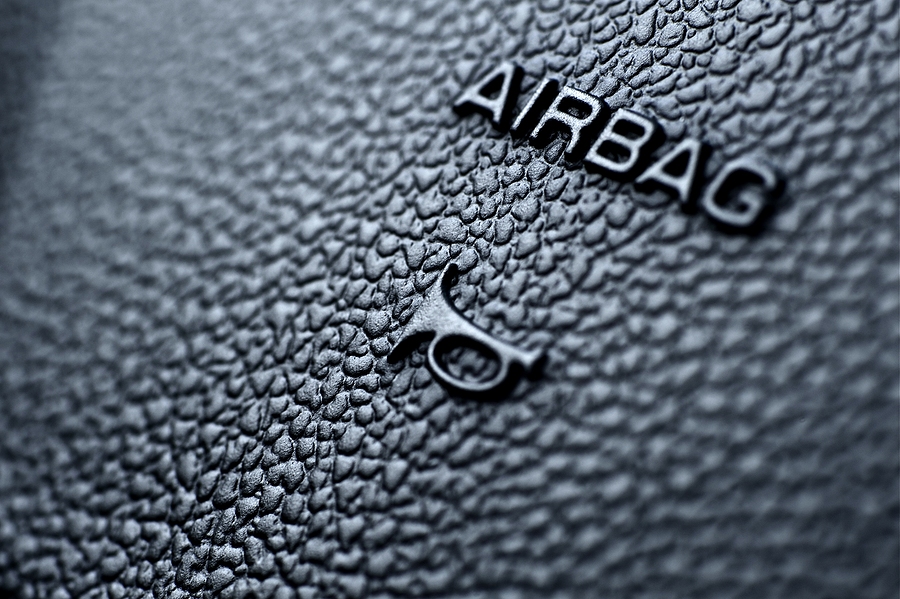
Did you know that recycling your car’s airbags can significantly reduce environmental harm and recover valuable resources? Discover the essential steps and benefits of airbag recycling, ensuring a safer, greener future for everyone. 

With millions of vehicles on the road, airbag disposal is a growing concern for both car owners and the environment. Improper disposal can lead to soil and water contamination, while recycling them can recover materials like metals and plastics. This guide will walk you through why airbag recycling matters, how the process works, and what you can do to make a difference.

Call 513-991-4776 to Recycle Airbags in Cincinnati Ohio

Why Airbags Need to Be Recycled

Airbags are a complex component of vehicles, designed with materials that are both valuable and hazardous. Here’s why recycling them is critical for both humans and the planet.

Environmental Impact

Airbags often contain harmful chemicals and compounds that, if improperly disposed of, can leach into the soil and water, leading to significant pollution. Additionally, many airbags are made of synthetic plastic-like materials that take centuries to decompose. 

Recycling airbags ensures that these materials don’t harm the environment, mitigating issues such as groundwater contamination and plastic waste in landfills.

Safety Concerns

Improperly discarded airbags with live inflators can be dangerous. Deployed airbags contain chemicals that can cause injury if mishandled. Recycling helps eliminate such safety risks by ensuring proper handling, making our communities safer.

Recovering Valuable Materials 

Did you know airbags contain valuable metals and plastics? By recycling them, manufacturers reduce the need for virgin resources, thereby conserving natural materials and reducing industrial energy consumption.

The Airbag Recycling Process

Airbag recycling sounds complex, but it is a systematic process involving the following steps:

1. Collection 

Recycling begins with the removal of airbags from totaled or scrap cars. This step often happens at an auto scrap yard or a dedicated scrap metal recycling facility, making it easier for businesses and individuals alike to surrender damaged vehicles.

2. Deactivation 

One of the most critical steps is safely deactivating the airbag to neutralize chemicals and render the inflator harmless. Special equipment and expertise are required to ensure regulatory compliance and avoid dangerous mishaps.

3. Material Separation 

Once deactivated, the materials that make up the airbag system are carefully dismantled. Inflator metals, such as steel or aluminum, and synthetic fabrics are separated for recycling purposes.

4. Repurposing 

The separated materials are sent to specialized facilities where they are recycled into raw materials for manufacturing. These can later be used for automotive parts, construction materials, or even consumer goods.

Scrap Your Auto Parts for Cash Today

Benefits of Recycling Airbags

Recycling airbags benefits more than just the environment. The advantages span ecological, economic, and community well-being.

Environmental Impact

By recycling airbags, we protect the ecosystem from harmful pollution and reduce the dependency on landfills. Additionally, repurposing materials reduces the environmental strain of extracting virgin resources.

Economic Opportunities 

Auto part recycling creates jobs related to collection, deactivation, and repurposing processes. With sustainable practices growing busier, this is fostering innovation in recycling industries.

Conserving Natural Resources 

Recycling reduces the need for virgin raw materials such as aluminum and plastics and cuts down on energy-intensive manufacturing processes. This conserves finite resources for future generations.

Challenges and Solutions

While the benefits of recycling airbags are clear, the process does have its challenges. Addressing these hurdles is essential for improved adoption.

Common Challenges

  • High Costs: Airbag recycling requires specialized tools and processes, which can be costly to implement.
  • Low Awareness: Many car owners and smaller repair shops are unaware that airbags can be recycled.
  • Logistical Issues: Collecting and transporting airbags from various locations is time-consuming and complicated.
  • Regulatory Variations: Different regions have inconsistent regulations, complicating recycling efforts.

Best Solutions 

  • Cost-Effective Technology: Investment in advanced recycling equipment can reduce operational expenses.
  • Awareness Campaigns: Educating car owners and mechanics about the benefits of recycling is key to boosting participation. For example, linking incentives like discounts for returned airbags could motivate more people.
  • Efficient Logistics: Establishing easy drop-off points and partnerships between businesses can streamline the collection process.
  • Standardized Protocols: Governments, manufacturers, and recycling companies must collaborate on consistent guidelines for handling airbag disposal.

Selling Your Scrap Auto Parts to a Junk Car Buyer

If you have a totaled car or old airbag systems, selling your auto scrap parts to a local auto salvage yard could be a win-win. Here’s why:

  • Earn Extra Cash: Scrap car buyers and recycling facilities often pay for auto parts, turning unused items into instant value.
  • Sustainability: Recycling auto parts like airbags reduces waste, giving a new life to previously discarded materials.
  • Ease of Disposal: Many recycling facilities will handle the heavy lifting, including proper documentation and transportation.

Search for reputable facilities in your area or connect with dedicated auto recyclers who prioritize sustainability.

Frequently Asked Questions About Car Recycling

What types of car parts can be recycled?

Beyond airbags, common materials like tires, car batteries, aluminum, and even glass-heavy windshields can all be recycled.

How does recycling my car benefit the environment? 

Recycling prevents harmful materials like lead and mercury from entering the ecosystem, while also reducing the reliance on unsustainable resource extraction.

Are there incentives for recycling my old car? 

Many programs offer cash-back incentives, discounts, or tax deductions for responsible car recycling.

How do I find a reputable car recycling facility? 

Look for certified recyclers with positive reviews and compliance with federal and local environmental regulations.

What should I do with my car tires? 

Car tires should never end up in landfills. Instead, drop them at specialized facilities that can repurpose them into road materials, playground surfaces, or energy fuel.

How does car recycling compare to other forms of waste management? 

Car recycling extends beyond basic waste reduction by reintroducing valuable materials back into the economy, creating a sustainable circular system.

Take Action for a Greener Tomorrow

Airbag recycling represents an incredible opportunity to save resources, reduce pollution, and promote safer disposal practices. Whether you’re an eco-conscious car owner or an auto repair shop looking to dispose of airbags responsibly, every small step matters toward creating a sustainable future. 

Want to recycle your old car parts or learn more about airbag disposal in Cincinnati, Ohio? Contact GC’s Junk Cars now, and together, let’s make car recycling efficient, safe, and impactful.

Get a Free Quote Now

Related Post: Safe Disposal: Dealing with Hazardous Materials in Scrap Cars

How Long Will Your Car Last?

As a car owner, you’ve likely wondered, “How long will my car last?” The lifespan of a vehicle varies significantly based on several factors, from maintenance habits to driving conditions. Understanding these elements can help you maximize your car’s longevity, saving you money and ensuring reliable transportation. 

This post will explore the typical lifespan of a car, the key factors influencing its durability, and practical tips to extend its life. Plus, we’ll discuss when it might be time to consider scrapping your old car for cash. Let’s get started!

Call 513-991-4776 to Recycle or Scrap a Car Cincinnati in Ohio

What Influences the Lifespan of a Car?

The longevity of your vehicle depends on many factors, all of which play a vital role in its overall performance and durability. Here’s what you need to know:

Maintenance and Repairs

Regular maintenance is the foundation of car longevity. Cars that receive timely oil changes, tire rotations, and system checks last up to 30% longer than those with sporadic care. Neglecting routine upkeep can result in costly problems that may shorten your car’s lifespan significantly.

Driving Habits

Did you know that aggressive driving can reduce your vehicle’s lifespan by 15%? Hard braking, abrupt acceleration, and frequent high-speed driving place excessive stress on your car, leading to faster wear and tear. Smooth, controlled driving is much better for the long-term health of your vehicle.

Environmental Conditions

Your car’s surroundings also matter. For example:

  • Climate: Extreme heat causes fluids to evaporate faster, while freezing temperatures can harm your battery and engine.
  • Roads: Frequent driving on rough, unpaved roads leads to premature wear on tires, suspension, and brakes.
  • Rust: If unaddressed, rust can increase repair costs by 50%, particularly in climates with heavy rainfall or salty winter roads.

Frequency of Use

While regular use keeps your car’s components working efficiently, overuse can lead to faster deterioration. Similarly, cars that are rarely driven often suffer from issues like battery drainage and rust buildup.

Make and Model

Certain manufacturers are known for producing more durable vehicles. For instance, models such as the Toyota Camry, Honda Civic, and Ford F-150 consistently rank as some of the most reliable, long-lasting cars on the market.

How Many Years or Miles Can a Car Last?

On average, modern cars last about 11.8 years or 200,000 miles. However, with exceptional maintenance, some vehicles can go well beyond these numbers. For example, a well-loved Toyota Camry might comfortably reach 300,000 miles, while a Ford F-150 often proves itself to be a workhorse with a similarly long life.

If your car has surpassed these benchmarks, you might need to weigh ongoing maintenance costs against its value and reliability. Keep an eye out for signs that your car could be nearing the end of its life.

Contact Us to Scrap a Car for Cash

Tips to Extend the Lifespan of Your Car

Want to keep your car in peak condition for longer? Here are some expert-recommended tips:

Regular Maintenance

  • Oil Changes: Schedule oil changes every 3,000 to 5,000 miles to keep the engine lubricated and prevent overheating.
  • Replace Filters: Change air, fuel, and cabin filters to maintain engine health and air quality.
  • Rotate Tires: Rotate your tires every 6,000 to 8,000 miles to ensure even wear and increase their longevity.
  • Inspect Brakes: Regularly check brake pads and rotors to ensure safe and smooth stopping.

Fluid Checks

Maintain optimal levels for vital fluids such as:

  • Motor oil
  • Coolant
  • Brake fluid
  • Transmission fluid
  • Power steering fluid

Low or contaminated fluids can lead to costly repairs.

Exterior and Interior Care

  • Wash Regularly: Washing your car often prevents dirt, salt, and grime from causing rust.
  • Protect from Weather: Use a car cover or park indoors to protect your vehicle from harsh weather conditions.
  • Clean Interior: Vacuum and wipe down surfaces to maintain a pleasant driving environment while preserving resale value.

Proactive Inspections

Have a trusted mechanic perform routine check-ups to catch potential issues early. It’s far easier (and cheaper) to replace a worn belt or hose before it breaks and causes additional damage.

Smart Driving Habits

Drive carefully to minimize wear and tear:

  • Avoid hard braking and accelerating.
  • Stick to speed limits.
  • Use cruise control on highways to reduce stress on engine components.

When to Replace or Scrap Your Car

While regular maintenance can greatly extend your car’s life, there comes a time when repairs no longer make financial sense. Here are some indicators that your car may be reaching the end of its road:

  • Frequent Repairs: If repair costs exceed 50% of the car’s current value, it’s likely time to move on.
  • Rust Damage: Severe rust compromises the structural integrity of your car, making it unsafe to drive.
  • Recurring Breakdowns: Constant breakdowns can leave you stranded and rack up significant costs over time.
  • Poor Gas Mileage: Aging vehicles often become less fuel-efficient, raising your operational costs.

If your car is at this stage, consider scrapping it for cash. This gives you extra funds to invest in a new, more reliable vehicle while ensuring environmentally responsible recycling.

How to Scrap Your Old Car for Cash

When it’s time to say goodbye, scrapping your old car is a simple and rewarding process:

  1. Contact a Scrapping Service: Find a reputable company like GC’s Junk Cars in Ohio that offers cash for vehicles.
  2. Provide Vehicle Details: Share your car’s make, model, year, and condition for an instant quote.
  3. Schedule Pickup: Arrange a convenient time for the car to be picked up or towed.
  4. Prepare Paperwork: Ensure your title and other necessary documents are ready.
  5. Remove Personal Items: Double-check the car for belongings before it’s taken.
  6. Get Paid: Receive cash on pickup while the scrap service handles environmentally safe recycling.

This hassle-free process makes it easy to part ways with your car and get value in return.

Drive Smarter for a Longer Roads Ahead

Your car’s lifespan is influenced by a combination of maintenance, driving habits, and environmental factors. With proper care, you can keep your vehicle running smoothly for years to come, maximizing its performance and value.

But when the time comes to retire your ride, scrapping it for cash is a practical choice that benefits both your wallet and the planet. Take control of your vehicle’s future today by giving it the care and attention it deserves.

Need help scrapping your car? Contact GC’s Junk Cars to learn more about turning your old car into extra cash and a new opportunity. We pay cash on the spot and provide free junk car removal.

Get a Junk Car Quote Right Now

Related Post: Maintenance Tips for a High Mileage Car

Understanding Your Car: What Does a Check Engine Light Mean? 

We’ve all been there. You’re driving down the road, your favorite playlist blasting, when suddenly your check engine light flickers on. That little glowing symbol can send chills down your spine. Is it something simple, like a loose gas cap, or could it mean a costly engine repair? 

This blog breaks down what the check engine light, also known as the malfunction indicator lamp (MIL), actually means. From common causes to how to diagnose the problem, we’ll explore every angle to help you stay calm, informed, and proactive. 

Call 513-991-4776 to Get in Touch With Our Total Loss Vehicle Buyers in Cincinnati
Call 513-991-4776 to Get a Free Offer From Our Total Loss Vehicle Buyers in Cincinnati

Common Reasons for a Check Engine Light 

The check engine light serves as your car’s way of letting you know something isn’t right. Sometimes, the issue is minor and easy to fix. Other times, it could signal a more serious problem that requires professional attention. Here are the most common culprits behind those dreaded dashboard warning lights:

1. Loose Gas Cap 

A loose or cracked gas cap might seem trivial, but it can trigger your check engine light. It happens because the gas cap helps seal your fuel system, preventing fuel vapors from escaping. When it’s loose, your car’s sensors detect a leak and send an alert to your dashboard. 

Quick Fix: 

  • Turn off the engine and tighten the cap until it clicks. 
  • If the light doesn’t turn off within a few drives, inspect the gas cap for cracks or damage and replace it if necessary. 

2. Oxygen Sensor Issues 

The oxygen sensor monitors the level of unburned oxygen in your car’s exhaust and ensures your engine uses fuel efficiently. Over time, this sensor can wear out, leading to reduced mileage and increased emissions. 

Solution: Replace the faulty sensor promptly to prevent damage to other components, such as the catalytic converter. 

3. Catalytic Converter Problems 

The catalytic converter reduces harmful emissions by converting toxic gases into safer byproducts. When it malfunctions, you might notice a decrease in fuel efficiency or even a “rotten egg” smell coming from your exhaust. 

Warning Signs: 

  • Poor acceleration. 
  • Unusual exhaust sounds or sulfuric odors. 

Unfortunately, replacing a catalytic converter can be costly, so regular maintenance is crucial. 

4. Mass Airflow Sensor Failure 

This sensor measures the amount of air entering your engine, ensuring the right air-to-fuel ratio for optimal performance. Symptoms of a failing mass airflow sensor include rough idling, poor gas mileage, or difficulty starting the car. 

When to Replace It: If your OBD-II diagnostic tool confirms the issue, replace the sensor to prevent long-term engine wear.

5. Spark Plug or Ignition Coil Issues 

Faulty spark plugs or ignition coils can cause misfires or trouble starting your car. This not only affects performance but could eventually lead to more severe engine problems. 

Proactive Tip: Regularly replace spark plugs according to your manufacturer’s recommendations to avoid this issue. 

Diagnosing an Illuminated Check Engine Light

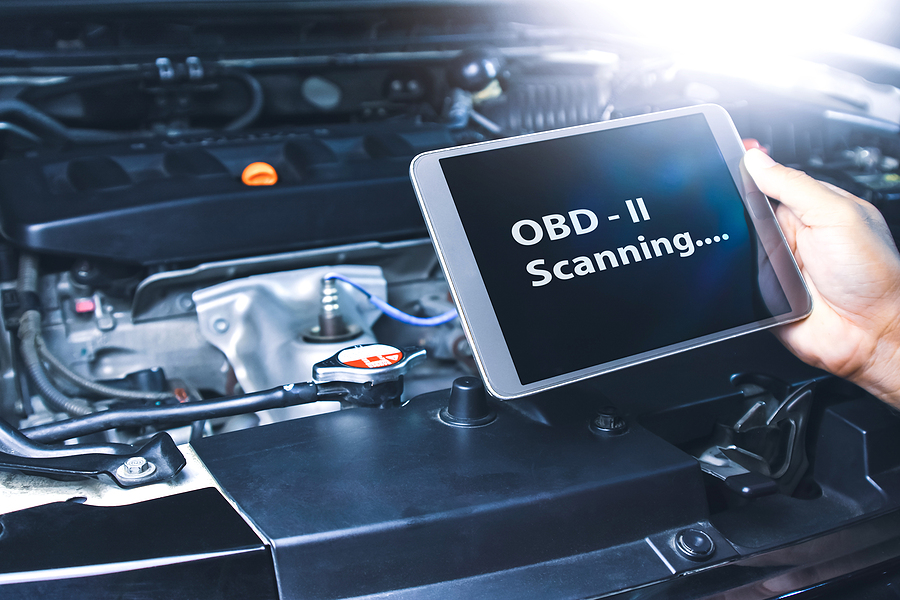
The good news is, you don’t have to be an automotive expert to start diagnosing the problem. Thanks to advances in technology, tools like an OBD-II scanner allow you to interpret error codes and pinpoint the issue quickly. 

Using an OBD-II Scanner 

OBD-II scanners, such as those by Bosch, plug into a port beneath your dashboard. These devices make it easy to read the error codes triggering the check engine light. 

Interpreting Error Codes 

Each code corresponds to a specific issue, and you can cross-reference these codes with your car’s manual or an online database. For example:

  • P0455 might indicate a large fuel vapor leak, likely from a loose gas cap. 
  • P0300 could mean random engine misfires due to spark plug issues. 

When to Consult a Professional 

If the issue isn’t obvious or involves a critical component like the catalytic converter, it’s best to call an automotive diagnostics expert or visit a repair shop. 

DIY Fixes vs. Professional Repair 

Understanding when you can handle the problem yourself and when you need professional help is essential for managing costs and maintaining your car’s health.

Simple Fixes You Can Do 

  • Loose Gas Cap: Fix or replace it yourself. 
  • Replace Fuses: Easily fixable with a replacement from an auto parts store. 
  • Reset Error Codes (only if the issue is resolved). 

When to Seek Professional Help 

  • Complex issues involving your engine, catalytic converter, or transmission. 
  • If multiple dashboard lights accompany the check engine light. 
  • When the issue persists after attempting basic fixes. 

Learn How the Car Selling Process Works

Preventing Check Engine Light Issues 

Prevention always beats repair. Regularly maintaining your car can significantly reduce the chances of seeing your check engine light blinking back at you. 

Key Maintenance Tips 

  • Tighten the Gas Cap regularly to prevent fuel vapor leaks. 
  • Adhere to the Maintenance Schedule provided by your car’s manufacturer. This includes routine oil changes, fluid checks, and tune-ups. 
  • Address Unusual Symptoms Promptly to avoid minor problems escalating into major repairs. 
  • Use Quality Fuel and additives to keep your engine clean. 
  • Inspect Battery Terminals periodically to maintain a reliable electrical connection. 

By following these tips, not only will you keep your dashboard lights clear, but you’ll also extend the lifespan of your car.

When the Light Means a Total Loss

Sometimes, a check engine light can be indicative of a serious, non-repairable issue. If the cost to repair your vehicle exceeds the vehicle’s actual market value, then your insurance company will likely deem it a total loss vehicle.  In this case, your insurance company will likely offer you a cash payout for the value of your vehicle rather than covering the repairs. If your car is uninsured, selling to an auto salvage yard is your best bet.

Benefits of Selling a Totaled Car to an Auto Scrapyard

By choosing to sell your totaled car to an auto salvage yard, you have the opportunity to not only receive fair value for your vehicle, but also avoid ongoing expenses and immediate financial relief. Additionally, selling your car to a reputable salvage yard means that it will be properly recycled and disposed of in an environmentally friendly manner. Here are the main benefits:

Quick and Easy Solution ☑

Selling your junk car to an auto salvage yard is often a quick and easy solution for getting rid of your damaged vehicle. You won’t have to go through the hassle of finding potential buyers or dealing with negotiations. The process is typically simple and straightforward – just hand over your car and receive payment in return.

Environmental Impact ☑

By choosing to sell your totaled car to an auto scrapyard, you are also making a positive impact on the environment. These yards specialize in recycling and salvaging usable parts from damaged vehicles, reducing the need for new car production and ultimately decreasing carbon emissions.

Avoiding Storage Fees ☑

If you have a totaled car sitting in your driveway or garage, it’s likely that you are accruing storage fees. By selling your car to an auto salvage yard, you can avoid these additional costs and free up space on your property.

Cash Payment ☑

Another benefit of selling your totaled car to an auto scrapyard is receiving payment upfront in cash. This can provide immediate financial relief, especially if you are facing unexpected expenses due to the accident that caused your car to be totaled. It also eliminates the hassle of waiting for insurance companies to process claims and issue payouts.

Don’t Ignore That Light 

The check engine light isn’t something to brush off. While check engine lights can sometimes indicate serious issues, they can also serve as a helpful reminder to maintain regular car maintenance and address potential problems before they become bigger and more expensive.

By regularly checking your dashboard lights and addressing any issues with your mechanic, you can keep yourself safe on the road and avoid costly repairs in the future.

Have you found yourself with a total loss car after getting back that astronomical auto repair bill? Let us ease the discomfort with an instant cash payment. Contact GC’s Junk Cars to get the junk car salvage process started. We tow away your car for free!

Get an Instant Junk Car Offer Now

Related Post: How Serious is a Check Engine Light? Let’s Find Out!

The Future of Cars: Driving Toward More Effective Auto Recycling 
Did you know that over 12 million vehicles are retired annually in the United States alone? Cars may symbolize innovation and progress, but they also pose significant environmental challenges when they reach the end of their lifecycle. With the automotive recycling industry at the forefront, the question arises: How do we ensure these machines are disposed of responsibly and effectively? 

Auto recycling is becoming a cornerstone of environmental sustainability, helping conserve natural resources and combat resource depletion. This blog will explore the current state of automotive recycling, its notable benefits, and the emerging technologies shaping its future. Whether you own a junk car or are simply an Eco-conscious individual, here’s how auto recyclers are driving us toward a more sustainable tomorrow. 

Call 513-991-4776 if You are Looking For Automotive Recycling Service Near Cincinnati

The Current State of Auto Recycling 

Auto recycling is already one of the most effective recycling industries globally, boasting a reuse rate of approximately 80% of a vehicle’s materials. Specialized facilities like auto scrapyards dismantle cars to recover valuable components like steel, aluminum, rubber, glass, and even fluids. Here’s a breakdown of how it works today:

Component Reuse: Auto recyclers harvest reusable parts from junk cars, such as batteries, tires, and transmissions, which are either repaired or sold as-is. 

Metal Recovery: Ferrous and non-ferrous metals account for a significant portion of a car’s makeup. Recycling one ton of steel, for instance, saves 2,500 pounds of iron ore, 1,400 pounds of coal, and 120 pounds of limestone. 

Shredding and Sorting: After reusable components are removed, the remaining car is shredded. Advanced technologies are employed to separate materials like metal, plastic, and glass into their respective categories for recycling. 

Despite these advancements, gaps in efficiency and accessibility within car recycling remain, setting the stage for the need for even greater innovation. 

The Benefits of Auto Recycling 

Environmental Benefits

Automotive recycling is more than just a way to recycle junk car parts. It’s a powerful weapon in the fight against environmental degradation. Here’s how:

  • Resource Conservation: Recycling vehicles reduces the need for extracting raw materials like iron ore, aluminum, and rubber. This, in turn, conserves vital natural resources. 
  • Waste Reduction: An estimated 25 million tons of materials are recovered and reused each year from end-of-life vehicles (ELVs), significantly reducing the waste that ends up in landfills. 
  • Lower Carbon Footprint: The process reduces greenhouse gas emissions equivalent to removing millions of cars from the road annually. By reusing materials instead of producing new ones, auto recycling plays a vital role in tackling climate change. 

If you’ve been thinking about junk car recycling, know that every vehicle recycled lessens humanity’s environmental burden. 

Economic Advantages

The benefits of junk car recycling aren’t limited to the environment. This industry is also an economic powerhouse. 

  • Revenue Generation: The auto recycling industry in the U.S. generates approximately $25 billion annually. By selling recovered materials and parts, businesses continue to thrive. 
  • Job Creation: Did you know that around 140,000 individuals are directly employed in the auto recycling sector? From dismantling teams to sorting engineers, the industry creates numerous job opportunities. 
  • Value for Owners: Selling your junk car to an auto recycler often yields actual cash value, creating a win-win situation for both parties.

Whether you’re a business professional or a car owner looking to understand your junk car worth, the economic benefits of recycling are undeniable. 

Recycle a Car in Cincinnati Today!

Future Technologies and Innovations

The future of junk car recycling lies in technological innovation. Here are some game-changing advancements that could transform the industry:

  • Automated Dismantling Robots: Advanced robotics are being developed to improve the speed and precision of component dismantling, ensuring maximum recovery of usable parts. 
  • AI-Powered Sorting Systems: Artificial intelligence is now being implemented to identify and sort different materials more efficiently, reducing waste and maximizing resource recovery. 
  • Electric Vehicle Recycling: With the rise of electric cars, auto recyclers are developing specialized techniques to recycle lithium-ion batteries, which contain rare and valuable materials. 
  • 3D Printing with Recycled Materials: Some researchers envision using recycled car plastics and metals as raw materials for 3D printing, reducing material waste even further. 

The future is not just functional; it’s ingenious. These emerging technologies signal an exciting evolution for both auto scrapyards and Eco-conscious individuals alike. 

How to Recycle a Car for a Cash Profit

If you are ready to recycle your car, here are a few steps to follow:

  1. Find an Auto Scrapyard: Find a reputable auto scrapyard near you that specializes in recycling cars. You can search online for “auto recyclers” or “auto salvage yards.”
  2. Prepare Your Car for Recycling: Before taking your car to the scrapyard, make sure to remove all personal items and clean it out thoroughly.
  3. Remove Hazardous Materials: It is important to properly dispose of any hazardous materials in your car before recycling it. This includes removing and disposing of the battery, draining fluids such as oil and antifreeze, and removing airbags.

How Much is Your Automotive Scrap Worth?

Influential Factors

The value of your scrap car will vary depending on its make, model, and condition. The weight and type of metal used in the manufacturing of your vehicle also play a significant role in determining its value. Generally, newer or well-maintained cars will fetch a higher price compared to older or damaged ones.

How to Calculate its Value

To get an idea of how much your car might be worth, you can research current market prices for scrap metal and compare them with similar vehicles being sold for scrap. It’s important to note that you will not receive the full value of your car in cash, as there are costs involved in the recycling process such as transportation and dismantling fees.

Additionally, some scrapyards may offer higher payouts for certain types of vehicles, such as those with larger engines or more valuable parts. It’s always a good idea to shop around and get quotes from multiple scrapyards to ensure you are getting the best price for your car.

Recycling Junk Car Parts

You may also want to consider selling your car for parts instead of scrapping it, as this can potentially bring in more money. However, this option requires more time and effort on your part, as you will need to dismantle the car yourself and sell each part individually. There are also online marketplaces where you can list your car for sale as a whole or for individual parts.

Why Recycling Your Old Car Matters 

By recycling your junk car, you’re contributing to a cleaner environment, supporting innovation, and even putting extra money in your pocket. It’s a solution that benefits everyone—from business leaders to individual Eco-conscious consumers. Whether it’s through efficient auto scrapyards or advanced AI-driven methods, the industry is expanding in ways that align with the values of a greener future. 

Final Thoughts

The future of cars isn’t just about electric engines or self-driving technology. It’s about ensuring that every vehicle, from the showroom floor to the scrapyard, has minimal impact on our environment. 

If you own a junk car, now’s the perfect time to get involved. Recycle your old car today to give it a new lease on life while contributing to a sustainable planet. Connect with trusted auto recyclers or explore our guide to maximize your vehicle’s value and impact. Together, we can drive toward a more effective and sustainable future. 

Are you ready to get started with the automotive recycling process in Cincinnati? Choose GC’s Junk Cars for the highest payouts and most sustainable scrap car recycling process. We pay in cash and tow for free.

Request a Free Junk Car Offer Now

Related Post: Car Recycling: Paving the Way for a Sustainable Automotive Industry

Car Repairs That Can Make Your Wallet Cry: A Guide on How to Deal

Owning a car is often a necessity, but it can also feel like a financial black hole, especially when costly repairs rear their ugly heads. For many drivers, unexpected repair bills can completely upend a carefully planned budget. From engine overhauls to suspension replacements, some fixes can make your wallet groan louder than a faulty muffler.

In this guide, we’ll explore which car repairs can be frighteningly expensive, provide tips to minimize such costs, and even walk you through what to do if your car is simply too expensive to repair. By the end, you’ll know how to approach repairs strategically while keeping more cash in your pocket.

Call 513-991-4776 if You are Looking for Local Junk Car Buyers in Cincinnati Ohio

Understanding the Most Expensive Car Repairs

Not all car problems are created equal. While some repairs are minor and relatively affordable, others can rival the cost of an international vacation. Here, we’ll break down the big-ticket fixes that catch drivers off guard.

Engine Repairs: The King of Costly Fixes

Your car’s engine is its beating heart, and when it malfunctions, expect a hefty repair bill. Rebuilding or replacing an engine can cost anywhere from $3,000 to $10,000, depending on the make and model of your car.

  • Example: Replacing the engine in a late-model BMW 3 Series can easily exceed $8,000 due to the cost of parts and labor.
  • Why it’s expensive: Engines have many intricate components, and diagnosing the issue alone takes hours of specialized labor.

Transmission Troubles: Shifting Your Budget

Transmission repairs are another dreaded expense. A transmission rebuild or replacement can set you back $2,000 to $7,000, depending on whether your car uses a manual or automatic gearbox.

  • Example: Rebuilding the transmission in a Ford F-150 truck can cost at least $3,500 or more.
  • Why it’s expensive: Rebuilding a transmission involves meticulously disassembling and reassembling dozens of moving parts.

Electrical Issues: Wiring and Worrying

With modern vehicles relying heavily on electronics, electrical faults can make your car feel haunted. Repairs can range from $1,000 to $3,000 or more if significant rewiring or module replacements are necessary.

  • Why it’s expensive: Diagnosing electrical problems often requires advanced diagnostic technology and significant labor time.

Air Conditioning: Staying Cool Under Pressure

No one likes sweating it out while driving in summer heat. Unfortunately, air conditioning repairs, particularly replacing the compressor, aren’t cheap, often costing $1,000 to $2,500.

  • Example: A failed compressor replacement in a Honda Civic might push labor and parts costs to around $1,200.
  • Why it’s expensive: Compressors are complex components, and replacing them often involves handling refrigerants, requiring specialized tools and licenses.

Suspension Problems: Bumpy Road to Big Bills

Suspension work keeps your car driving smoothly, but worn-out shocks, struts, or control arms can quickly result in a bill north of $1,500 to $4,000.

  • Example: Overhauling a suspension system in an older Mercedes-Benz sedan can easily approach $3,500 due to the premium cost of parts.
  • Why it’s expensive: Suspension systems are mechanical and labor-intensive to replace, especially for luxury or older vehicles.

Catalytic Converter Replacement

Catalytic converters, which help reduce emissions, are commonly targeted by thieves due to the precious metals inside. They are also known to simply breakdown after so many years of use. Either way, replacing a catalytic converter can cost $1,000 to $3,000.

  • Example: Replacing one in a 2002 Cadillac Escalade might cost you upwards of $1,500.
  • Why it’s expensive: High market demand for the rare metals used in converters keeps prices steep.

Learn How Much Your Junk Car is Worth

Ways to Minimize Expensive Car Repairs

While some repairs are unavoidable, there are several proactive steps you can take to minimize both the frequency and cost of major fixes.

☑ Regular Maintenance

Stick to your car manufacturer’s recommended maintenance schedule. Routine oil changes, brake inspections, and fluid top-ups can prevent small issues from becoming costly nightmares.

☑ Driving Habits

Aggressive driving, like rapid acceleration and harsh braking, can wear out key components faster. Avoid bad habits like revving the engine or overloading your vehicle beyond its weight limit.

☑ Prompt Attention to Issues

If you notice unusual noises, warning lights, or performance changes, don’t wait. Addressing minor issues early can save you thousands in bigger repairs.

☑ Find a Trusted Mechanic

Seek out a reputable mechanic who offers fair pricing and honest assessments. Shop around for estimates and read reviews to ensure you’re not being overcharged.

☑ Explore DIY Repairs for Simple Tasks

Handling minor maintenance jobs yourself, like replacing air filters or spark plugs, can save you a significant amount in labor costs. Just make sure you have the right tools and tutorials.

☑ Consider Used or Refurbished Parts

Opting for high-quality used or refurbished parts from trusted suppliers can reduce expenses significantly without sacrificing reliability.

☑ Invest in Warranty Coverage

Buying an extended warranty for a newer car can provide financial protection for costly repairs—but only if it makes sense for your situation.

Dealing with a Car That is Too Old to Repair

Sometimes, a repair just isn’t worth the cost. If the estimated fix exceeds your car’s actual cash value (ACV), it may be deemed a total loss by your insurer.

What Happens When Your Car is Totaled?

  1. Assessment: Your insurance provider evaluates the extent of the damage and estimates the cost to repair.
  2. Declaration: If the repair costs exceed the car’s ACV, your car is declared a total loss.
  3. Settlement: You’ll typically receive compensation based on the ACV of your vehicle, minus your deductible.
  4. Ownership Transfer: The insurer takes ownership of the totaled car unless you opt to retain it for salvage value.

What Can You Do with a Totaled Car?

  • Accept the insurer’s settlement and move on.
  • Retain the car and repair it yourself if you think it’s still usable.
  • Sell your totaled car to junk car buyers, such as GC’s Junk Cars in Cincinnati, which offers fair prices for cars that are no longer roadworthy.

Key Takeaways

Car repairs can certainly put a dent in your finances, but proper knowledge and proactive measures can lighten the blow. By investing in regular maintenance, practicing good driving habits, and exploring cost-saving options like used parts or extended warranties, you can significantly reduce the risk of costly repairs.

If your car is beyond saving, know that you still have options. Junk car buyers like us will help you turn a totaled or “too expensive to repair” vehicle into cash.

Looking to offload your junk car in Cincinnati, Ohio? Sell your junk car today with ease at GC’s Junk Cars! We pay cash on the spot and tow away cars for free.

Request a Free Offer Now

Related Post: When Repairs Break the Bank: The Hidden Costs of Car Breakdowns

What Is a Car Title and Why Do I Need One in Ohio?

Do you own a car in Ohio or plan to buy one soon? Chances are you’ve heard about car titles but might not fully understand their importance. A car title is more than just a piece of paper; it’s a critical document that proves ownership and legal rights to your vehicle. Whether you’re buying, selling, or replacing a lost title, understanding how car titles work in Ohio will save you time, effort, and stress.

This guide will walk you through what a car title is, why you need it, and how to obtain one in Cincinnati. We’ll also answer some frequently asked questions to make your vehicle ownership process as smooth as possible.

Call 513-991-4776 to Get a Quote From Our Cincinnati OH Scrap Car Buyers

What Is a Car Title? 

A car title is an official document issued by the state government that proves you are the legal owner of a vehicle. It typically includes important details such as:

  • The vehicle’s make, model, and year.
  • The Vehicle Identification Number (VIN).
  • The name and address of the registered owner.
  • Any liens on the vehicle if there is financing involved.  

Think of it as a car’s birth certificate. Whether you buy a brand-new car or a used one, the title is your proof of ownership and your key to selling or transferring the vehicle. Without it, you may face complications down the road. 

Why You Need a Car Title in Ohio 

Ohio law requires all motor vehicles to have a valid title at all times. Here’s why owning a car title is essential:

1. Legal Compliance 

Under Ohio law, you cannot drive, sell, or transfer ownership of a vehicle without a valid car title. Driving a vehicle without proper documentation may result in fines or legal trouble.

2. Peace of Mind 

The car title serves as undeniable proof that you are the rightful owner of your vehicle. This protects you from disputes over ownership in case of theft, fraud, or clerical errors.

3. Selling or Transferring a Vehicle 

When selling your car to a buyer or a scrap yard, transferring ownership without a clean title is nearly impossible. Ohio has strict car title regulations mandating that the title must be signed over as part of the car selling process. 

4. Obtaining a Loan 

If you’re planning to use your car as collateral for a loan, lenders will require a clear and current title. Any liens on the title must first be satisfied and released. 

5. Scrapping or Salvaging a Car 

If you plan to sell a vehicle to scrap car buyers or transfer the title of a salvaged car in Ohio, you’ll need a valid title, even for damaged or non-operational vehicles.

How to Obtain a Car Title in Cincinnati 

Getting a car title in Ohio is straightforward if you follow the correct steps. Here’s how to do it in Cincinnati:

Step 1: Gather the Required Documents 

Before visiting the Cincinnati Bureau of Motor Vehicles (BMV), ensure you have these:

  • Valid identification (e.g., Ohio driver’s license).
  • Proof of ownership (e.g., a bill of sale if purchasing a used car).
  • Completed Title Application Form (available online or in person at the BMV).
  • Payment for title fees. 

Step 2: Visit the Cincinnati BMV 

Carry your documents to the nearest Cincinnati BMV branch. For your convenience, here’s a trusted local option in Hamilton County, Ohio:

Cincinnati BMV Office

  • Location: 5694 Harrison Avenue, Suite C, Cincinnati, OH 45248 
  • Phone: (513) 574-1420 
  • Hours:  Monday–Friday: 8 AM–5 PM, Saturday: 8 AM–2 PM 

If you’re replacing a lost car title, inform the representative, and complete the affidavit required for car title replacement.

Step 3: Pay the Title Fees 

Expect to pay a small fee for Ohio car title issuance, ranging from $15 to $25, depending on the transaction type. Keep your receipt for your records. 

Step 4: Receive Your Title 

Once the application is processed, you’ll either receive your title immediately or it will be mailed to your address.

Frequently Asked Questions  About Ohio Car Titles

What is the process for transferring a car title in Ohio? 

To transfer a car title when buying or selling a vehicle, both the buyer and seller must sign the title in front of a notary public. The buyer must then take the signed title to the BMV to complete the ownership transfer.

How do I replace a lost or stolen car title in Cincinnati? 

Visit the Cincinnati BMV and fill out an Affidavit for Certificate of Title (Ohio BMV Form BMV 3702). Bring valid identification and pay the replacement fee. 

Can I sell a car in Ohio without a title? 

No. Ohio law requires that you have a valid title to legally sell or transfer ownership of a car. If your title is lost, you must replace it before proceeding with the sale.

What do I do if there is a lien on my car title? 

If there’s a lien on your title (e.g., from a loan), you’ll need to pay off the lien first. Once the lender releases it, you can receive a clear title from the BMV.

How does a salvaged title affect the value of my car? 

A salvaged title indicates that the car has sustained significant damage and been declared a total loss by an insurance company. This often reduces the car’s resale value, and some buyers may be hesitant to purchase it.

Wrapping Up

Having a valid car title is more than just ticking a legal box. It protects your ownership rights, simplifies the car selling process, and ensures compliance with Ohio’s car title regulations. If you’re buying, selling, or replacing a title in Cincinnati, the steps outlined above will make the process much easier.

Looking to sell your car for fast cash? Whether you’re dealing with a salvaged title or just need guidance, GC’s Junk Cars makes it easy to get started.

Get a free quote now!

Related Post: A Comprehensive Guide to Ohio’s Car Title Regulations

Understanding Fair Market Prices for Junk Cars 

Selling a junk car can feel like a daunting process, especially when it comes to determining what it’s really worth in the market. Whether you’re a junk car owner looking for extra cash or a recycling enthusiast prioritizing sustainability, understanding the fair market price of your old vehicle is crucial. 

This comprehensive guide breaks down everything you need to know about a junk car’s value, factors that impact its price, and how to get the best deal while staying legally compliant. 

By the end of this post, you’ll know how to assess your car’s worth, find reputable junk car buyers, and negotiate like a pro, ensuring both a profitable and environmentally friendly disposal. 

Call 513-991-4776 to Get a Free Junk Car Estimate in Cincinnati Ohio

What is a Fair Market Price for Junk Cars? 

The “fair market price” of a junk car refers to what a willing buyer is prepared to pay under normal circumstances. Unlike the price you’d get for a fully functional used car, junk car prices are primarily influenced by the scrap metal value, which fluctuates based on market demand.

More factors, like your car’s make, model, condition, and location, also play a role in determining its overall actual cash value (ACV). To get the best outcome, understanding these nuances is key.

Top 3 Factors That Affect Junk Car Prices 

1. Location

Where you sell your junk car influences its value significantly. 

  • Demand in Your Area: Auto salvage yards and scrap metal buyers may pay more in regions where demand for scrap materials is high. 
  • Transportation Distance: Live far from the buyer? The cost of towing your junk car could lower your final offer. 

2. Condition of Your Car 

The more usable parts your car has, the higher its value. 

  • Drivability: If your vehicle is still operational, junk car buyers may value it higher, as it becomes a potential candidate for resale or part replacement. 
  • Age and Make/Model: Popular models often fetch better prices because their parts are in demand. 

3. Scrap Metal Prices 

Junk car prices are heavily tied to the fluctuating costs of scrap metal. 

  • Types of Metal: Components like steel, aluminum, and copper bump up your car’s value. 
  • Market Trends: When metal prices climb, junk car buyers pay more. Monitoring current scrap metal prices can give you an advantage. 

How to Determine Your Junk Car’s Worth 

Before reaching out to potential auto salvage yards, it’s best to get an accurate junk car appraisal. 

  • Research ACV: Use online tools or valuation services to estimate your car’s actual cash value. Services like Kelley Blue Book or Edmunds provide a starting point for understanding what your car’s worth in pieces. 
  • Inspect Key Component Value: Identify parts that may still have resale potential, including the engine, transmission, and catalytic converter. 
  • Factor in Scrap Weight: Weighing the total amount of scrap metal in your vehicle can also give you a rough calculation of its bare minimum worth. 
  • Get Multiple Quotes: Contact a variety of auto salvage yards and junk car buyers to compare offers. 

Finding Reputable Junk Car Buyers 

Unfortunately, not all buyers operate with integrity, so it’s vital to do your due diligence. Here’s what to look for when choosing a junk car buyer: 

  • Transparency – Work with buyers who openly communicate their pricing breakdown, such as how scrap metal prices influence their offer. 
  • Licensing and Reviews – Ensure the scrap car buyer is licensed and check online reviews to gauge their reputation among past sellers. 
  • Free Services – Many trusted buyers offer free scrap car towing and removal services, which increases the net value of your deal. 
  • Local Auto Salvage Yards – Search for licensed auto salvage yards for potential higher payouts, as they can directly recycle parts and metal. 

Master Negotiation Strategies to Maximize Your Offer 

Once you’ve found a trustworthy buyer, use the following strategies to negotiate for a higher price:

  • Leverage Multiple Offers: Tell a prospective buyer about competing offers to push them to increase their bid. 
  • Highlight Parts in Demand: If your car has recently replaced tires, an intact engine, or functioning electronics, emphasize those points to show extra value. 
  • Negotiate Towing Terms: Always confirm if free haul-away is included. If not, request an adjustment to the payout to cover its costs. 
  • Know Scrap Trends: Research recent scrap metal prices to ensure you’re getting a fair offer. 

Legal Must-Dos When Selling Junk Cars 

Selling a junk car comes with a few legal responsibilities. Here’s how to stay on the right side of the law and avoid future liabilities. 

  1. Transfer the Title – Make sure to officially transfer ownership of the car to the buyer. This removes your name from the vehicle’s legal responsibilities, such as fines or future liabilities. 
  2. Remove Your License Plates – Take your license plates off the car and return them to your local DMV office. Front plates too!
  3. Clear Personal Belongings – Empty your car of all personal items before handing it over—it’s easy to forget gloves, sunglasses, or even important paperwork. 
  4. Get a Bill of Sale – Always request a bill of sale from the buyer. This document provides proof of the transaction and protects you should any issues arise in the future. 

Final Thoughts

Selling a junk car doesn’t just help your wallet; it also reduces the environmental footprint of waste. By choosing buyers who ethically recycle metal and salvage valuable parts, you contribute to a greener planet. 

Take the time to research, appraise, and negotiate, and you’ll maximize the value of your vehicle while staying legally compliant. If you’re ready to turn your junk car into cash, contact local junk car buyers or auto salvage yards in your area.

Ready to make some fast cash for that clunker of yours? Contact GC’s Junk Cars at 513-991-4776 to sell your junk car in Cincinnati, Ohio for cash on the spot. We offer free junk car towing and appraisals!

Related Posts:

Understanding Junk Car Value: Market vs. Actual Cash vs. Salvage
How the Scrap Metal Market Impacts the Value of Junk Cars
From Trash to Treasure: Top Factors that Influence Junk Vehicle Value

Safe Disposal: Dealing with Hazardous Materials in Scrap Cars 

Scrap cars can be a treasure trove for DIY mechanics and automotive enthusiasts, offering countless opportunities to recycle parts and go green. But beneath the surface lies a less-glamorous reality—hazardous materials lurking within every unsuspecting junk vehicle. 

From mercury to asbestos, these materials pose significant risks to both health and the environment. If you’re thinking about dismantling, restoring, or recycling a junk car, understanding these dangers is essential. This guide explores the common hazardous substances in scrap cars and outlines how to handle and dispose of them safely. 

Call 513-991-4776 to Recycle Scrap Car Parts in Cincinnati

Common Hazardous Materials Found in Scrap Cars 

While vehicles are packed with innovations, they’re also built with numerous materials that, under certain conditions, can become hazardous. Here’s a closer look at the four most common substances found in scrap cars:

Mercury 

Mercury is often found in switches and relays within older cars—used for functions such as anti-lock brakes, cruise control, and light switches. Mercury is extremely toxic; exposure can damage the nervous system and kidneys.

Lead 

Car batteries are the primary source of lead in junk vehicles. Lead may also be present in wheel weights, solder, and other components. Prolonged exposure can lead to lead poisoning, causing severe health effects like neurological damage.

Asbestos 

Older cars use asbestos in brake pads, clutches, and heat shields. When disturbed (e.g., during repairs or recycling), asbestos fibers can become airborne and pose severe respiratory health risks, including lung cancer and mesothelioma.

Refrigerants 

Refrigerants such as chlorofluorocarbons (CFCs) and hydrofluorocarbons (HFCs), found in car air conditioning systems, are harmful to the environment. If released improperly, they contribute to ozone depletion and climate change. 

Risks to Health and the Environment 

Junk car recycling can quickly go from green to grim when hazardous materials are mishandled. Here are the potential risks associated with each material: 

  • Mercury: Exposure through skin contact or inhalation can cause neurological and developmental issues.
  • Lead: Improper handling or disposal can lead to contamination of soil and water, affecting both humans and wildlife.
  • Asbestos: When asbestos fibers are inhaled, they settle in the lungs, causing severe long-term health issues.
  • Refrigerants: If improperly vented during dismantling, refrigerants harm the atmosphere, accelerating climate crises. 

Safe Handling Procedures 

Dealing with hazardous materials in scrap vehicles requires preparation and care. Follow these safety steps when working with your vehicle:

1. Wear Protective Gear 

Always wear gloves, safety goggles, and a mask to avoid contact with harmful substances. For asbestos or harmful dusts, use a respirator mask rated for such materials. 

2. Identify Hazardous Components 

Pinpoint and label components like batteries, brake systems, or A/C units that may contain hazardous materials before disassembly.

3. Drain Fluids Safely 

Handle engine oil, transmission fluid, brake fluid, and A/C refrigerants correctly — in a well-ventilated area and away from drains or soil. Use leak-proof containers for storage. 

4. Capture and Remove Refrigerants 

Refrigerants should only be removed using certified equipment. Consider hiring a trained technician to avoid accidental release. 

5. Isolate and Handle Brake Pads with Care 

If you suspect the presence of asbestos, do not try to sand, grind, or scrape brake components. Instead, reach out to professionals trained in asbestos handling. 

6. Seal and Store Materials Properly 

After safely removing hazardous materials, seal them in appropriate containers and store them in a cool, dry location until disposal. 

Regulations and Laws on Hazardous Waste Disposal 

Disposing of hazardous waste generated from junk cars isn’t just a moral obligation—it’s often the law. Regulations concerning automotive recycling and waste disposal vary by region, but here are some common legal frameworks to consider:

  • EPA Guidelines (U.S.): The Environmental Protection Agency regulates waste disposal, such as refrigerants and oils, in adherence to the Resource Conservation and Recovery Act (RCRA).
  • EU Directives: European countries follow strict laws relating to end-of-life vehicles (ELVs), ensuring proper disposal of harmful components.
  • Regional Compliance: Contact local authorities or auto scrappers to understand state/province-specific laws in your area. 

Ignoring these regulations can result in hefty fines. Always ensure compliance to protect both the environment and your reputation.

Automotive Recycling and Disposal Options 

Once you’ve safely segregated hazardous materials, it’s time for proper recycling or disposal. Here are your best options:

  • Car Batteries and Lead: Many auto recyclers or service shops accept old lead-acid car batteries for recycling. Ensure they’re transported upright in leak-proof containers.
  • Mercury Switches: Specialized auto recyclers and recycling programs exist to safely handle mercury components. Check with your local auto salvage yard in Cincinnati. 
  • Brake Pads/Clutches: If asbestos-containing materials are identified, consult licensed hazardous waste disposal companies.
  • Fluids and Refrigerants: Take your drained fluids (oil, antifreeze, transmission fluid) to a certified hazardous waste collection site. 

Partnering with auto recyclers or salvage yards is often the easiest way to manage hazardous disposal. These facilities are equipped to dismantle and recycle vehicles responsibly. 

Key Takeaways

Hazardous materials in junk cars highlight the importance of responsible vehicle recycling. By following proper handling practices, complying with waste disposal laws, and working alongside certified auto recyclers or salvage yards, you can turn what was once a hazard into an opportunity for sustainability. 

If you’re unsure about the proper methods or require assistance, reach out to your local auto recyclers or salvage yard experts. Together, we can ensure safer dismantling, effective recycling, and a cleaner planet. 

Ready to turn your automotive scrap into cash right now? Contact GC’s Junk Cars at 513-991-4776 to get a free, no-obligation quote for your scrap car or automotive parts in Cincinnati, Ohio. We also provide free junk car towing!

Related Posts:

Junk Car Dismantling Versus Selling Whole: Which is Better for Profit?
How to Safely Dispose of a Scrap Vehicle and Protect the Environment
Revive, Reuse, Recreate: The Ultimate Guide to Repurposing Junk Car Parts