
Watching the odometer on your trusted vehicle roll past 150,000 or 200,000 miles can bring mixed feelings. You might feel a sense of pride in how long the car has lasted. At the same time, you are probably worrying about when the next major breakdown will happen. Aging cars eventually reach a breaking point where routine maintenance turns into constant, expensive repairs.
Deciding what to do with a very high-mileage car is rarely an easy choice. The right path depends heavily on your budget, the car’s current physical state, and your emotional attachment to the vehicle. You generally have three main routes: restoring the car to its former glory, selling it to a new owner, or scrapping it for cash.
Each choice carries its own set of financial and logistical factors. This guide will walk you through evaluating your vehicle’s true condition. We will help you weigh the pros and cons of restoring, selling, and scrapping, so you can make the most confident and financially sound decision for your situation.
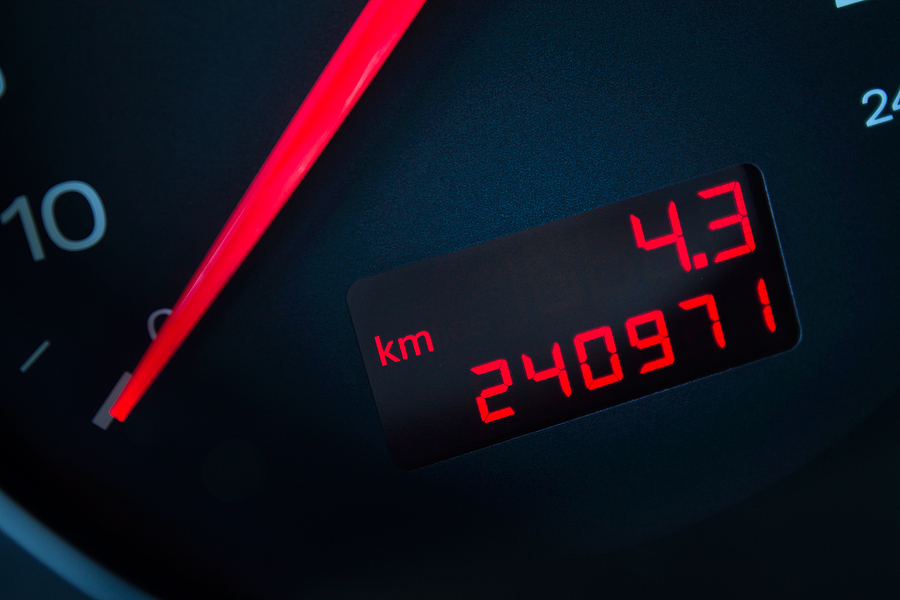
Evaluating Your High-Mileage Vehicle
Before making any big moves, you need an honest assessment of what your car is actually worth. You also need to know exactly what is wrong with it. Taking a step back to review the facts will prevent you from pouring money into a lost cause.
Assess Current Condition and Repair Costs
Start by taking your car to a trusted mechanic for a comprehensive inspection. You need a complete list of current and looming issues. Problems with the engine, transmission, or a heavily rusted frame are major red flags. For example, replacing or rebuilding a failing transmission can easily cost between $1,100 and $3,400.
A good guideline is the 50 percent rule. If the estimated cost to repair the vehicle safely is more than half of the car’s total market value, it is usually time to let it go. Safety should always be your top priority. If the brakes, steering, or structural integrity are compromised, driving the car becomes a major risk to you and others on the road.
Consider the Vehicle’s History and Reliability
Look back through your maintenance records. A car that has received regular oil changes, timely fluid flushes, and scheduled belt replacements is much more likely to survive extreme high mileage. Conversely, a neglected vehicle is a ticking time bomb of future expenses.
You should also research known issues for your specific make and model. Some vehicles are famous for running perfectly well past 250,000 miles, while others suffer catastrophic engine failures much earlier. Finally, acknowledge any personal attachment you have to the car. Sentimental value is real, but you must balance it against the harsh reality of ongoing repair bills.
Option 1: Restoring a High-Mileage Car
Restoring a vehicle means bringing it back to a safe, reliable, and visually appealing condition. This goes beyond basic maintenance and often involves overhauling major mechanical systems.
When Restoration Makes Sense
Restoration is rarely the most economical choice for a standard daily commuter. However, it makes perfect sense if you own a classic car, a rare model, or a highly sought-after enthusiast vehicle. It is also a valid option if you possess strong mechanical skills and can do the labor yourself, which drastically reduces the total cost.
The Costs and Time Investment of Restoration
Rebuilding an old car requires a massive commitment of both time and money. Parts for older vehicles can be difficult to source and expensive to purchase. Professional labor rates at specialty shops add up incredibly fast.
Furthermore, restoration projects almost always uncover hidden problems. Once you remove a rusty fender or pull the engine block, you will likely find more parts that need replacing. You must be prepared for the car to sit in a garage for months, or even years, before it is ready for the road again.
Benefits of Restoring Your Vehicle
If you successfully complete a restoration, the rewards are significant. You extend the lifespan of a vehicle you love and gain immense personal satisfaction. For certain classic or rare models, a proper, high-quality restoration can even increase the vehicle’s market value over time.
Option 2: Selling a High-Mileage Car
If your car still runs well but you are ready to move on, selling is a great way to recoup some value. High-mileage cars can still attract buyers who need cheap, basic transportation.
Preparing Your Car for Sale
First impressions matter, even for older vehicles. You do not need to fix every tiny scratch, but addressing minor, inexpensive issues improves curb appeal. Replace burnt-out bulbs, top off fluids, and fix glaring safety hazards. Invest in thorough cleaning and detailing. A spotless interior and a shiny exterior suggest to buyers that the car was well cared for. Gather all your service records to prove the vehicle was maintained properly.
Where to Sell a High-Mileage Car
You have a few avenues for selling. Private sales through online marketplaces usually yield the highest profit, but they require dealing with strangers, test drives, and negotiations. Trading the car in at a dealership is the easiest route, though dealers will almost always offer you a substantially lower price than a private buyer. Selling a high-mileage junk car to a local auto salvage yard is both lucrative and convenient. They often pay cash on the spot and provide free haul-away.
Setting a Realistic Price
Pricing an old car requires managing your expectations. Research comparable sales in your local area to see what similar models with similar mileage are selling for. Be completely honest in your advertisement about the odometer reading and any known mechanical quirks. Buyers appreciate transparency, and pricing the car fairly from the start will save you time and frustration during negotiations.
Option 3: Scrapping a High-Mileage Car
Sometimes, a car simply reaches the absolute end of its life. When repairs cost more than the vehicle is worth, scrapping is a fast, stress-free solution.
When Scrapping is the Best Choice
Scrapping is the most logical choice when a vehicle is beyond economical repair. If your car has a blown engine, severe frame rot, or was totaled in a major accident, no buyer will want it for daily driving. Non-running or deeply unsafe vehicles belong in a salvage yard, where their remaining usable materials can be recovered.
The Scrapping Process
Getting rid of a junk car is easier than most people think. You simply contact local scrap yards or junk car buyers to request a quote. They will offer you a price based on the weight of the scrap metal and any salvageable parts.
Keep in mind that you need the proper paperwork. For instance, if you are scrapping a vehicle in Ohio, state law requires you to have the certificate of title or a salvage certificate of title to legally transfer ownership. Once the paperwork is verified, the company will usually tow the vehicle away for free and hand you cash.
Environmental Considerations
Auto recycling is highly beneficial for the planet. Professional scrap yards safely drain and dispose of hazardous materials like motor oil, battery acid, and transmission fluid, keeping them out of local groundwater. They also recycle heavy metals and plastics, which reduces the massive energy output required to mine and manufacture new automotive materials.
Frequently Asked Questions (FAQ)
Does high mileage automatically mean a car is worthless?
No, high mileage does not equal zero value. A well-maintained vehicle with 200,000 miles can still hold significant value, especially if it belongs to a brand known for long-term reliability. Its worth depends entirely on its current mechanical condition and maintenance history.
Can I still get a good price for a high-mileage car?
Yes, you can secure a fair price if the car is clean, safe, and runs well. Providing a thick folder of maintenance records proves to the buyer that the car was cared for, which justifies a higher asking price.
What documents do I need to scrap a car?
Requirements vary by location, but you almost always need a valid photo ID and the vehicle’s official title. Some states allow you to scrap a car with an alternative proof of ownership, but having a clear title in your name makes the process completely seamless.
Is it better to sell parts or scrap the whole car?
Parting out a car yourself can yield more total profit, but it requires mechanical tools, heavy labor, storage space, and months of dealing with individual buyers. Scrapping the whole car is much faster and provides an immediate lump sum of cash without the hassle.
Making Your Final Choice
Deciding the fate of your high-mileage car requires a careful look at your budget, mechanical abilities, and local market. Restoring is perfect for passion projects, selling works well for running commuters, and scrapping is the ideal exit strategy for a car that is no longer safe or affordable to drive. Evaluate your vehicle honestly to choose the path that brings you the most peace of mind.
If you have decided that repairing or selling is simply too much hassle, we can help. If you want to sell a high mileage vehicle in Cincinnati, Ohio, contact GC’s Junk Cars today. We pay cash on the spot and provide free towing for vehicles in any condition. Get your offer today and turn that old high-mileage car into instant cash!
Related Post: Making Your Car Last the Extra Mile: How to Extend the Life of an Old Vehicle