When Engine Failure Totals Your Car

TL;DR: Engine repairs are expensive—often $3,500 to $9,000 or more. When those costs exceed what your car is actually worth, your vehicle may be considered a total loss. Knowing the signs of irreparable engine damage, and how insurers do the math, can help you make a smarter financial decision.

Key Takeaways:

  • Engine rebuilds typically cost $3,500–$6,000; remanufactured engines run $5,000–$9,000 (Kelley Blue Book)
  • A car is totaled when repair costs exceed its actual cash value (ACV)
  • Ohio uses a Total Loss Formula—not a fixed percentage—to determine when a vehicle is a write-off
  • If your car isn’t worth repairing, selling it for its scrap value is often the smarter move

Table of Contents:

  1. Main Causes of Engine Failure
  2. Signs Your Engine Is Beyond Repair
  3. Repair vs. Replace: Evaluating the Financials
  4. When to Call It Quits on Your Vehicle
  5. FAQ
  6. Quick Recap
  7. Sell Your Totaled Vehicle in Cincinnati
Call 513-991-4776 to Scrap a Totaled Car in Cincinnati

Main Causes of Engine Failure

Engine failure rarely happens without warning. Most breakdowns come down to a handful of preventable problems.

Oil starvation is the leading culprit. Without adequate lubrication, metal components grind against each other, generating intense friction and heat. Left unchecked, this leads to a seized engine—one that locks up completely and can no longer turn over.

Overheating is a close second. When coolant levels drop or the cooling system fails, engine temperatures spike. The result? Warped cylinder heads, blown head gaskets, and in severe cases, cracked engine blocks.

Hydrolock occurs when water or excess fuel enters the combustion chamber. Because liquids can’t compress, the pistons stop suddenly—often bending connecting rods or cracking the block entirely.

Other causes include:

  • Rod knock — a deep knocking sound caused by worn crankshaft bearings; often a death sentence for the engine
  • Timing chain or belt failure — snapping while the engine runs can destroy valves and pistons instantly
  • Detonation (engine knock) — repeated misfires that erode internal components over time

Signs Your Engine Is Beyond Repair

Some engine problems are fixable. Others signal the end of the road. Here’s how to tell the difference.

Hard signs of catastrophic failure:

  • No crank at all — the engine won’t turn over, suggesting full seizure
  • Loud knocking or metallic banging — rod knock or bearing failure means internal damage is already severe
  • White or blue smoke from the exhaust — indicates coolant or oil burning inside the combustion chamber
  • Engine locked solid — if you can’t turn the engine by hand at the crankshaft, it’s likely seized beyond practical repair

Softer warning signs that can escalate:

  • Persistent overheating despite coolant top-ups
  • Oil pressure warning light that won’t go off
  • Significant loss of power under load
  • Milky or frothy oil (a sign of coolant mixing with engine oil)

A professional diagnosis matters here. A blown head gasket might be repairable for $1,000–$2,000. A spun bearing or cracked block, on the other hand, almost always means the engine needs full replacement.

Repair vs. Replace: Evaluating the Financials

Once you know the extent of the damage, the math comes into focus. According to Kelley Blue Book, here’s what engine repair or replacement typically costs:

OptionEstimated Cost
Professional engine rebuild$3,500–$6,000
Remanufactured engine (parts + labor)$5,000–$9,000+
New OEM engine (dealership)~$8,000 average, up to $20,000+ for high-output engines

These figures don’t include additional repairs that often surface once a mechanic gets inside—gaskets, mounts, hoses, or sensors that need replacing while the engine is already out.

Now compare those costs to your car’s actual cash value (ACV). The ACV is what your vehicle was worth just before the damage occurred, factoring in depreciation, mileage, and condition. You can get a quick estimate using Kelley Blue Book’s valuation tool.

The rule of thumb: If your repair bill approaches or exceeds your car’s ACV, it’s generally not worth fixing.

When to Call It Quits on Your Vehicle

This is where things get practical. Insurers use specific formulas to decide when a damaged car becomes a total loss—and it’s worth understanding how they think.

According to Kelley Blue Book, insurance companies total a car when repair costs exceed the vehicle’s book value at the time of the incident. Ohio doesn’t use a fixed percentage threshold. Instead, it relies on a Total Loss Formula (TLF):

If: Repair Cost > Fair Market Value − Salvage Value → Total Loss

Here’s an example: Say your car has a fair market value of $8,000, and a salvage yard would pay $2,500 for it. That gives you a threshold of $5,500. If the engine repair estimate comes in at $6,200, Ohio insurers would consider the vehicle totaled.

Under Ohio law (ORC §4505.103), a salvage certificate of title can be issued for vehicles that are inoperable, impossible to restore for highway operation, and valued under the legal threshold. Once issued, the title is marked “FOR DESTRUCTION”—meaning the vehicle can only be used for parts or scrap.

Ask yourself these questions before committing to a repair:

  • Is the repair estimate more than 50% of the car’s current market value?
  • Is the vehicle older with high mileage, meaning it will continue to depreciate?
  • Are there other mechanical issues beyond the engine?
  • Would the repair cost more than what you’d recover if you sold the car afterward?

If you answered yes to most of these, walking away is usually the wiser financial move.

FAQ

Can a seized engine be repaired?

Sometimes. If the seizure was brief—caused by short-term oil starvation before the driver shut the engine off—a mechanic may be able to free it and replace damaged components. But a fully locked engine with bent rods or scored cylinder walls typically requires a full replacement.

Does engine failure automatically make a car a total loss?

Not automatically. It depends on the repair cost relative to the vehicle’s actual cash value. A $4,000 engine rebuild on a car worth $12,000 might make financial sense. The same repair on a car worth $4,500 almost certainly doesn’t.

What happens to a car after it’s declared a total loss in Ohio?

The insurance company takes possession and issues a salvage title. The vehicle is then sold to a salvage dealer or scrapper. You can negotiate to keep the vehicle, but you’ll receive a reduced payout and will need to have the car repaired and inspected before it can be legally driven again.

Can I sell a car with engine failure?

Yes. Salvage buyers, junk car services, and cash-for-cars companies will purchase non-running vehicles. You won’t get top dollar, but you also won’t have to pay for a repair that doesn’t make financial sense.

What’s the difference between a rebuilt and a remanufactured engine?

A rebuilt engine has worn or broken parts replaced, but uses the original block. A remanufactured engine is fully disassembled and restored to original factory specifications with new components throughout. Remanufactured engines cost more but typically come with better warranties and longer lifespans.

Quick Recap:

  • Engine failure is usually caused by oil starvation, overheating, hydrolock, or rod knock
  • Hard signs of irreparable damage include a seized engine, persistent knocking, and white/blue exhaust smoke
  • Engine rebuilds cost $3,500–$6,000; remanufactured engines run $5,000–$9,000+
  • Ohio uses the Total Loss Formula (repair cost > FMV − salvage value) to declare a total loss
  • If repair costs exceed your car’s actual value, selling or scrapping is often the smarter financial choice

Don’t Let a Dead Engine Drain Your Wallet

Engine failure is stressful enough without the added burden of making the wrong financial call. Once the numbers don’t add up, holding onto a non-running vehicle only costs you more time and money.

If you’re in Cincinnati, Ohio, and your engine has called it quits, we’ll take it off your hands—fast. We pay cash on the spot for totaled, non-running, and salvage-title vehicles, and we offer free towing straight from your driveway. No repairs needed, no hassle, no waiting. Get a free cash offer today.

Call Now to Get Started

Related Post: When Engine Work Costs More Than Your Ride: A Guide for Owners of Older Cars

The Most In-Demand Junk Vehicles in the Auto Scrapping Industry

TL;DR and Key Takeaways:

  • Hybrids are gold mines: Vehicles like the Toyota Prius are highly valued for their precious metal-rich catalytic converters.
  • Heavyweights pay off: Large trucks and SUVs (like the Ford F-150) often command higher prices purely due to their scrap steel weight.
  • Popularity equals profit: Common models like the Honda Accord are wanted for their reusable parts, not just their metal.
  • Engine condition matters: A running engine or transmission can significantly increase your offer compared to a non-running “scrap-only” vehicle.

When you look at that old, rusting vehicle in your driveway, you might just see an eyesore. But to a junk car buyer, it represents a treasure trove of reusable parts and valuable scrap metal. The automotive recycling industry is massive, and right now, certain vehicles are fetching higher prices than ever before.

Understanding which cars are in demand can help you negotiate a better deal. Whether it is because of the precious metals hidden in their exhaust systems or the sheer weight of their steel frames, some “junk” cars are far from worthless. This guide explores exactly which vehicles buyers are hunting for today and why they are willing to pay top dollar for them.

Table of Contents:

  • Which vehicle models are most in demand for scrap?
  • Why are catalytic converters driving junk car prices?
  • How does vehicle weight impact your cash offer?
  • Does the condition of the engine matter for junk buyers?
  • Frequently Asked Questions
  • Quick Recap
  • Sell Your Junk Car in Cincinnati
Call 513-991-4776 to Sell a Wrecked F-150 in Cincinnati Today!

Which Vehicle Models are Most in Demand for Scrap?

The most wanted junk vehicles are typically a mix of heavy trucks, popular sedans with high parts demand, and hybrids rich in precious metals.

Junk car buyers generally look for three things: weight, parts resale value, and catalytic converter value. Based on these criteria, the following models are currently among the most sought-after in the industry:

  • Ford F-150: consistently one of the best-selling vehicles in America, the F-150 is a favorite for scrap buyers. Its large size provides a significant amount of scrap steel, and because there are so many on the road, there is a constant, high demand for replacement parts like doors, mirrors, and tailgates.
  • Toyota Prius: While small and lightweight, the Prius is often the “crown jewel” of junk cars. Its catalytic converter contains higher concentrations of platinum, palladium, and rhodium than standard vehicles, making it incredibly valuable to recyclers.
  • Honda Accord and Civic: These reliable sedans are everywhere. Their ubiquity means that salvage yards can easily sell the engines, transmissions, and alternators to mechanics looking for affordable repair solutions.
  • Chevrolet Equinox and Ford Explorer: These SUVs occupy the “sweet spot” for buyers. They are heavier than sedans, boosting their scrap steel value, and they are popular family vehicles, ensuring a steady market for their used parts.

Why are Catalytic Converters Driving Junk Car Prices?

Catalytic converters contain rare Platinum Group Metals (PGMs)—platinum, palladium, and rhodium—which are essential for filtering exhaust emissions and trade at high market values.

You may have heard about the surge in catalytic converter thefts; this criminal trend is driven by the same economics that make legitimate scrapping profitable. The “cat” is an emissions control device located in your exhaust system. To scrub toxins from engine exhaust, manufacturers use a honeycomb structure coated in PGMs.

Rhodium, in particular, can be extremely valuable, often trading higher than gold. Hybrid vehicles, like the Toyota Prius, require more of these metals to keep the converter hot and efficient since the gas engine runs less frequently.

Consequently, a junk car buyer isn’t just buying your old car; they are buying a small mine of precious metals. If your junk car still has its original (OEM) catalytic converter, it is worth significantly more than one with an aftermarket replacement or a missing converter.

How Does Vehicle Weight Impact Your Cash Offer?

Scrap metal is bought by the ton, so heavier vehicles naturally command a higher baseline price regardless of their mechanical condition.

When a car has no resaleable parts—perhaps it was in a severe accident or is completely rusted out—its value is determined almost entirely by its weight. Auto recyclers crush these vehicles and sell the shredded metal to refineries to be melted down and repurposed.

This is where “curb weight” becomes your best friend. A compact car might weigh around 2,900 pounds, while a large truck or full-size SUV can weigh upwards of 5,000 pounds. Even if the price of steel is the same per ton, the truck will mathematically yield a much higher cash offer. If you are selling a heavy-duty vehicle like a suburban or a pickup, you can expect a solid floor for your price offers, simply because of the sheer amount of steel involved.

Does the Condition of the Engine Matter for Junk Buyers?

Yes, a running engine or transmission transforms a car from simple “scrap metal” into a “salvage vehicle,” often doubling or tripling its value. Not all junk cars are crushed immediately. Ideally, a buyer wants to dismantle the vehicle and sell its components individually. This is called “parting out.”

If your car was totaled due to body damage (like a rear-end collision) but the engine still runs perfectly, that engine is a high-ticket item. Engines and transmissions are the most expensive parts to replace in a vehicle. If a salvage yard can verify that your powertrain is functional, they can sell it to a repair shop or a DIY mechanic for a significant profit. Consequently, they can afford to pay you much more for the vehicle than they would if the engine were seized or blown.

Frequently Asked Questions

Do I need a title to sell my junk car?

In most cases, yes. The title proves you are the legal owner. However, some states and specific buyers may accept a vehicle without a title if it meets certain age and documentation requirements (like a valid ID and registration), but having the title always guarantees a smoother transaction and often a better price.

Should I remove parts before selling my junk car?

It depends. You might make extra money selling a high-end GPS or a new battery separately. However, removing major components like the catalytic converter, engine parts, or wheels will drastically lower the offer you receive from the junk buyer.

Does the price of scrap metal change?

Yes, scrap metal prices fluctuate daily based on global supply and demand, similar to the stock market. If steel prices are down, offers for junk cars will generally be lower across the board.

Will you pick up my car if it doesn’t run?

Most reputable junk car buyers offer free towing for non-running vehicles. Always confirm this before agreeing to a deal to ensure hidden fees don’t eat into your profit.

Quick Recap:

  • Top Models: Ford F-150, Toyota Prius, Honda Accord, Chevy Equinox.
  • High Value Factors: Heavy steel weight, rare metals in catalytic converters, and high demand for used parts.
  • Engine: A working engine boosts value significantly over a non-working one.
  • Documentation: A clean title ensures the fastest sale and best price.

Are you holding onto one of these most wanted models? Even if your car isn’t on the list, it still holds value. If you are in the Cincinnati, Ohio area, let us turn that vehicle into money in your pocket. We make it easy with free towing and cash paid on the spot.Don’t let that car rust away—find out what it’s worth today!

Get Your Free Quote Now

Related Post: Cash In: Precious Metals in Old Cars

Making Your Car Last the Extra Mile: How to Extend the Life of an Old Vehicle

TL;DR: Keeping a car on the road for a decade or more isn’t just about luck; it’s about commitment. While modern vehicles are built to last longer than their predecessors, they still require consistent care to reach high mileage milestones without major mechanical failures.

Whether you are driving a paid-off sedan you hope to keep forever or an older truck you need for work, understanding the mechanics of longevity is essential. By adopting a proactive mindset toward maintenance and driving habits, you can squeeze every last mile out of your investment while keeping your daily commute safe and reliable.

Key Takeaways:

  • Routine rules: Sticking to a maintenance schedule—especially oil changes and fluid checks—is the single most effective way to keep an engine running past 200,000 miles.
  • Small fixes matter: Ignoring minor noises or dashboard lights often leads to catastrophic (and expensive) failures later.
  • Drive gently: Aggressive braking and acceleration accelerate wear on every major system in your vehicle.
  • Know when to fold: If repair costs exceed the vehicle’s value or safety is compromised, it’s time to let go.
  • Local option: If your car has reached the end of the road in Cincinnati, you can turn it into instant cash.

Table of Contents

  1. Introduction
  2. The Importance of Regular Maintenance
  3. Driving Habits That Impact Vehicle Longevity
  4. Essential Tips for Long-Term Vehicle Care
  5. Recognizing Early Warning Signs
  6. Final Thoughts on Maximizing Your Vehicle’s Lifespan
Call 513-991-4776 to Get a Quote From Our Scrap Car Buyers in Cincinnati Ohio
Call 513-991-4776 to Get a Free Quote From Our Scrap Car Buyers in Cincinnati Ohio

Why Bother Extending the Life of an Old Car?

In an era of shiny new models and advanced tech features, the humble older car often gets overlooked. However, holding onto your current vehicle offers significant financial and environmental advantages.

The most immediate benefit is the absence of a car payment. The average monthly payment for a new vehicle has skyrocketed, often exceeding $700. By maintaining your current car, you redirect those funds into savings, investments, or other debt repayment. Furthermore, new cars depreciate rapidly—losing up to 20% of their value in the first year alone. An older car has already taken that hit, meaning your cost of ownership is largely limited to fuel, insurance, and maintenance.

From an environmental perspective, keeping an old car running efficiently is a form of recycling. Manufacturing a new vehicle requires a massive amount of energy and raw materials. By extending the life of your current vehicle, you delay that manufacturing footprint.

What Are the Key Maintenance Tasks?

You cannot expect a vehicle to last if you ignore its basic needs. Think of maintenance not as a chore, but as the health insurance plan for your car.

Regular Oil Changes

Oil is the lifeblood of your engine. It lubricates moving parts, reduces friction, and carries away heat. Over time, oil breaks down and becomes contaminated with dirt and metal shavings. According to the AAA, neglecting oil changes is a primary cause of premature engine failure. Whether your car requires synthetic or conventional oil, sticking to the manufacturer’s recommended interval (usually every 5,000 to 7,500 miles) is non-negotiable.

Fluid Health

Beyond oil, your car relies on a cocktail of fluids to function.

  • Coolant: Prevents the engine from overheating and freezing. Old coolant can become acidic, eating away at your radiator and water pump.
  • Transmission Fluid: Lubricates the complex gears in your transmission. If this fluid gets burnt or low, you risk a transmission failure—one of the most expensive repairs possible.
  • Brake Fluid: Over time, brake fluid absorbs moisture from the air, which can corrode internal brake components and reduce stopping power.

Tire Maintenance

Tires are the only point of contact between your car and the road. Keeping them properly inflated prevents uneven wear and reduces the strain on your suspension components. Rotating your tires every 5,000 to 8,000 miles ensures they wear evenly, extending their lifespan and improving fuel economy.

Battery Care

A dead battery is an inconvenience; a dying battery can strain your alternator. Test your battery annually once it reaches three years of age. Clean any corrosion from the terminals to ensure a strong connection and reliable starts. Be sure to safely dispose old car batteries.

How Can Driving Habits Impact Vehicle Longevity?

Your car reacts to how you treat it. While you can’t control traffic or road conditions, you can control your inputs behind the wheel.

Aggressive driving—such as rapid acceleration and hard braking—places immense stress on the powertrain and suspension. It wears down brake pads faster, strains the transmission, and decreases fuel efficiency. Adopting a smooth driving style not only makes your ride more comfortable but also preserves the structural integrity of the vehicle components.

Additionally, consider how you handle idling. Contrary to old myths, modern fuel-injected engines do not need long warm-up periods in winter. In fact, the EPA advises that idling for long periods causes excess engine wear and wastes fuel. It is generally better to drive gently to warm up the engine rather than letting it sit idle.

What About Protecting Your Car from the Elements?

Rust is the silent killer of older vehicles, especially in regions that use road salt during winter. Salt accelerates corrosion, eating away at the body panels, exhaust system, and brake lines.

If possible, park your car in a garage or under a carport to shield it from UV rays, tree sap, and bird droppings, all of which damage the paint. If you must park on the street, consider using a high-quality car cover.

Regular washing is vital. It’s not just about vanity; washing removes corrosive salt and grime. Waxing your car at least twice a year provides a sacrificial layer of protection for your clear coat, keeping the metal underneath safe from the elements.

When Is It Time to Say Goodbye?

Despite your best efforts, every car eventually reaches a breaking point. Recognizing this moment is crucial for your wallet and your safety.

The general financial rule of thumb is to reconsider repairs if the cost approaches or exceeds the vehicle’s current market value. For example, spending $3,000 on a transmission for a car worth $2,500 rarely makes sense.

However, safety is the ultimate tiebreaker. If the vehicle has structural rust damage, unreliable brakes, or recurring stalling issues that mechanics cannot resolve, it is a liability. An unsafe car puts you, your passengers, and other drivers at risk.

What Are My Options for an Old Car?

When you decide it’s time to move on, you have several paths forward depending on the vehicle’s condition.

  • Private Sale: If the car still runs well and looks decent, selling it privately usually yields the highest return.
  • Trade-In: Dealerships offer convenience, allowing you to apply the value of your old car toward a new purchase, though usually at a lower value than a private sale.
  • Donation: Many charities accept vehicle donations, which can provide a tax deduction and support a good cause.
  • Cash for Junk Cars: If the car is non-running, damaged, or simply not worth fixing, the easiest route is often a junk car service. If you are in the Cincinnati area, you can get cash for junk cars in Cincinnati, Ohio. Cash is paid on the spot for all scrap vehicles, plus you get free haul-away, removing the hassle of towing it yourself.

FAQs

Does premium gas make my old car last longer?

Generally, no. Unless your owner’s manual specifically requires premium fuel (usually for high-performance engines), using it in a standard engine offers no benefit to longevity or performance.

How often should I change my air filter?

A clogged air filter restricts airflow to the engine, reducing performance. It’s best to check it at every oil change and replace it annually or every 12,000 to 15,000 miles.

Is it worth fixing the air conditioning on an old car?

This depends on your climate and budget. While not critical for the engine, a broken A/C can make the car miserable to drive, potentially causing you to give up on the vehicle sooner than necessary.

Can I switch to synthetic oil in an old car?

Yes. Synthetic oil offers better protection against engine wear and extreme temperatures. It is a smart upgrade for older engines to help keep internal components clean.

Quick Recap + Next Steps

Maintaining an older car requires attention to several key areas to ensure longevity and performance.

  • Regular oil changes are crucial, and switching to synthetic oil can offer enhanced engine protection.
  • Timing belt replacements at recommended intervals are essential to prevent costly engine damage.
  • For comfort and usability, fixing a non-functional A/C might be worth the investment depending on your needs and climate.

By addressing these points, you can extend the life of your vehicle and enjoy a safer, smoother driving experience. However, if your vehicle has become a driveway ornament or the repair bills are piling up, don’t let it become a burden. Consider selling it for cash on the spot to a Cincinnati junk car buyer.

If you are looking for cash for junk cars in Cincinnati, Ohio, we are here to help. Cash paid on the spot for all scrap vehicles, plus free haul-away. Contact Us Today to clear up your space and put money back in your pocket.

Call Now to Inquire

Related Post: The Cheapest Ways to Extend the Life of Your Vehicle

Fixer-Upper Gone Wrong? How to Scrap a Hobby Car That Didn’t Work Out

The dream is almost always the same. You spot a vintage beauty or a once-reliable sedan gathering dust, and you see potential. You imagine weekends spent under the hood, the satisfaction of turning a wrench, and the pride of driving a restored classic. But reality has a way of complicating even the best-laid plans. What starts as a passion project often stalls due to unexpected costs, elusive parts, or simply life getting in the way.

Suddenly, that “fixer-upper” isn’t a project anymore—it’s a lawn ornament. It takes up space in the driveway, attracts complaints from neighbors, and slowly succumbs to the elements. If you find yourself staring at a vehicle that’s more burden than beauty, you aren’t alone. Transitioning from restoration mode to scrap mode is a difficult decision, but often the most practical one. Here is how to navigate the process when a car project hits a dead end.

Call 513-991-4776 if You are Looking for Free Scrap Car Removal in Cincinnati Ohio

Why Fixer-Uppers Become Scrap Cars

Acknowledging that a project is over requires understanding why it failed in the first place. Often, it isn’t a lack of skill or desire, but rather the hard realities of automotive restoration catching up with the budget.

Hidden Mechanical Issues

Cars that sit for long periods develop problems that aren’t visible during a quick initial inspection. Seals dry out, wiring harnesses degrade, and engines seize. You might have budgeted for a new alternator, but you likely didn’t plan for a cracked engine block or a transmission that slips in every gear. These catastrophic failures often turn a repairable car into a financial black hole.

Extensive Rust or Structural Damage

Rust is the silent killer of restoration dreams. Surface rust is manageable, but once oxidation penetrates the frame or unibody, the car’s structural integrity is compromised. Repairing frame rot requires specialized welding skills and expensive equipment. In many cases, the cost to safely repair the structure far exceeds the potential value of the finished vehicle.

Parts Availability and Costs

For mass-produced modern cars, parts are plentiful. But for niche classics or discontinued models, finding a specific trim piece or mechanical component can feel like a treasure hunt with no map. When parts are available, scarcity drives up the price. If you are spending months searching for a single carburetor linkage, the project loses momentum, often permanently.

Labor Costs Exceeding Value

Even the most dedicated DIY enthusiast eventually needs professional help. whether it’s for paint, bodywork, or complex electrical diagnostics. Professional labor rates can quickly dwarf the market value of the car. If you pour $5,000 into a car that will only ever be worth $3,000, you have to ask yourself if the sentimental value is worth the financial loss.

Options for Dealing with a Scrap Car

Once you accept that the car won’t be returning to the road under your ownership, you have several avenues for disposal.

Selling to a Junkyard or Scrap Yard

This is often the quickest and most straightforward option. Automotive scrap yards like GC’s Junk Cars in Cincinnati purchase vehicles primarily for the weight of the metal. They handle the logistics, often including towing, and pay you based on current scrap metal prices. It’s an immediate solution that clears your driveway and puts cash in your pocket.

Selling Privately for Parts

If your car has desirable components—like a pristine interior, a rare engine, or undamaged body panels—you might make more money parting it out yourself. This involves dismantling the car and listing individual parts on marketplaces. While potentially more profitable, this route requires significant time, mechanical effort, and space to store parts.

Donating to Charity

Many charitable organizations accept vehicle donations. They sell the car at auction or for scrap and use the proceeds to fund their programs. In exchange, you receive a tax deduction. This is a great option if you want to do some good with your failed project and don’t need immediate cash.

Recycling the Car

Auto recycling is a massive industry that plays a crucial role in environmental sustainability. Professional auto recyclers like GC’s Junk Cars in Cincinnati ensure that hazardous materials are drained and disposed of properly before the steel is reclaimed. Approximately 86% of a vehicle’s material content is recycled, reused, or used for energy recovery.

Get a Free Offer for Your Fixer-Upper Gone Wrong!

Factors to Consider When Choosing an Option

Deciding between selling, donating, or scrapping depends on your specific situation.

The Car’s Condition and Value

Be realistic. If the car is a rusted shell, a scrap yard is your best bet. If it’s a complete car with a blown engine but a perfect body, a private buyer or a specialized breaker yard might pay a premium.

Time and Effort Involved

Parting out a car is a job, not a hobby. It requires tools, shipping logistics, and dealing with buyers. If you just want the car gone today, a junk car removal service is superior. If you have patience and space, parting it out offers a better return.

Environmental Impact

Cars contain lead, mercury, antifreeze, and oil—substances that can devastate local soil and water tables if not handled correctly. Reputable scrap yards and recyclers follow strict EPA guidelines to depollute vehicles. If you sell privately to someone who doesn’t follow these rules, you risk contributing to environmental damage.

Potential Financial Return

Scrap prices fluctuate based on the global steel market. Donating offers a tax write-off, which is valuable but not “cash in hand.” Parting out offers the highest ceiling but the lowest floor if parts don’t sell.

How to Prepare a Scrap Car for Sale or Recycling

Regardless of where the car goes, you need to prep it to ensure a smooth transaction.

1. Remove Personal Belongings & Trash

Check the glove box, under the seats, and in the trunk. It’s easy to forget manuals, tools, or personal documents in a car that has been sitting for years. Be sure to grab the front plate if you have one.

2. Drain Fluids (If Parting Out)

If you are dismantling the car yourself, you must drain the oil, coolant, transmission fluid, and gas. These cannot be dumped in the drain; they must be taken to a hazardous waste facility. If you are selling to a professional scrap yard, ask if they require this—most will handle it for you as part of their environmental compliance.

3. Remove Valuable Parts

If you are selling the car for scrap weight, the yard generally doesn’t care if the stereo, GPS, or aftermarket rims are missing (provided you have steel wheels to roll it on). Pull these high-value, easy-to-remove items and sell them separately to maximize your profit.

4. Gather Paperwork

You cannot legally scrap a car without proof of ownership. Locate your title. If you have lost it, you will need to apply for a duplicate title through your local DMV/BMV. In Ohio, for example, transferring a vehicle requires a notarized signature on the title. Having your paperwork ready prevents delays when the tow truck arrives.

Conclusion

It is never easy to admit a restoration project has run its course. However, holding onto a deteriorating vehicle benefits no one. By choosing to scrap or recycle your car, you reclaim your space, remove an environmental hazard, and potentially put some money back in your wallet for your next—more manageable—adventure.

If you are in the Cincinnati area and ready to clear that project car from your driveway, we can help. We offer free junk car removal and pay cash on the spot, making the process as painless as possible. Ready to reclaim your driveway? Contact Us Today for a free quote.

Call Now to Get Your Offer

Related Post: A Mechanic’s Guide to Turning Scrap Car Parts into Cash

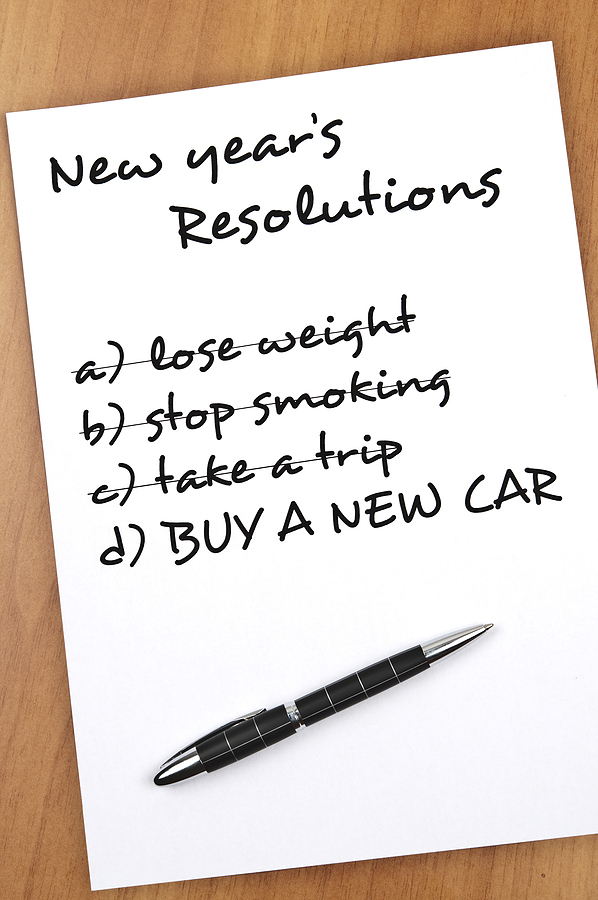
New Year, New Car: Converting Your Scrap Vehicle into a Down Payment for 2026

The start of a new year often brings a desire for fresh beginnings. Whether it is reorganizing your home, setting financial goals, or upgrading your daily commute, January feels like the right time to make a change. If you have an old, unreliable vehicle sitting in your driveway—or perhaps a non-running car taking up space in the garage—you might see it as a burden. However, that rusting metal is actually a financial asset waiting to be unlocked.

Many drivers hold onto vehicles past their prime because they assume the trade-in value is negligible or the hassle of selling privately is too high. Yet, there is a third option that benefits both your wallet and the environment: scrapping your car. By converting that liability into liquid cash, you can generate a significant portion of a down payment for a safer, more reliable new vehicle.

Understanding the process of automotive recycling is the first step toward upgrading your ride. It is not just about getting rid of “junk”; it is about leveraging the residual value of steel and parts to fuel your next purchase.

Call 513-991-4776 to Get a Quote From Our Scrap Car Yard in Cincinnati Ohio

The Hidden Value in a Scrap Car

When you look at a car that no longer runs or costs more to repair than it is worth, you might see waste. The automotive recycling industry, however, sees a goldmine of raw materials. Your vehicle is a complex machine primarily composed of steel, aluminum, and other recyclable components that hold market value regardless of whether the engine turns over.

Financial Benefits

The most immediate benefit is, of course, the cash. Scrapyards pay based on the weight of the vehicle and the current market price of scrap metal. While prices fluctuate, a standard sedan or SUV can yield a surprising amount of money instantly. Unlike a private sale, where you might wait weeks for a buyer who negotiates endlessly, scrapping is typically a fast transaction. This provides you with immediate funds that can go directly into your “new car” fund.

Environmental Impact

Beyond the financial gain, scrapping your car is a responsible choice for the planet. According to the Automotive Recyclers Association, approximately 86% of a vehicle’s material content is recycled, reused, or used for energy recovery.

When you scrap a car, you are contributing to a massive conservation effort. Recycling steel uses significantly less energy than producing new steel from raw iron ore. Furthermore, professional auto recyclers ensure that hazardous fluids—such as engine oil, transmission fluid, antifreeze, and mercury from old switches—are drained and disposed of according to strict EPA guidelines. If left to rot in a field or driveway, these fluids can eventually leak, contaminating soil and groundwater.

Finding a Trustworthy Scrapyard in Town

Not all automotive scrapyards operate with the same level of professionalism. To ensure you get a fair price and protect yourself from liability, it is essential to choose a reputable junk car buyer.

Verify Licensing and Reviews

Start by looking for local junk car lots with positive community feedback. Reviews can tell you a lot about a business’s transparency regarding pricing and pickup. Additionally, ensure they are compliant with local regulations. In Ohio, for example, legitimate car scrappers follow strict guidelines regarding vehicle titles to prevent theft and fraud.

Beware of “Bait and Switch”

A common tactic among disreputable operators is the “bait and switch.” They may quote you a high price over the phone, but when the tow truck arrives, they offer significantly less, banking on the fact that you just want the car gone. A reputable scrap car buyer will stand by their quote, provided the condition of the car matches your description.

Ask About Towing Fees

Always clarify if towing is included in the offer. Some companies will offer a higher payout but then charge a hefty fee to remove the vehicle, eating into your profit. The best services usually offer free removal as part of the deal.

Request a Free Junk Car Appraisal in Cincinnati

Maximizing Your Return

To get the most cash for your down payment, a little preparation goes a long way. You want to present the vehicle in a way that makes the transaction smooth for the buyer.

Remove Personal Items

It sounds simple, but many people forget to check under the seats, in the glove box, and in the trunk. Once the car is towed away, retrieving that forgotten pair of sunglasses or important paperwork is nearly impossible.

Don’t Remove Parts (Unless You Know What You’re Doing)

Generally, scrapyards pay for weight. If you start stripping parts off the car—like the battery, alternator, or catalytic converter—to sell separately, the yard will likely reduce their offer. Unless you are a skilled mechanic with a buyer lined up for those specific parts, it is usually more profitable and efficient to sell the vehicle whole.

Prepare the Paperwork

This is the most critical step. You cannot legally scrap a car without proving you own it. In Ohio, you must have the Certificate of Title.

  • Assignment of Ownership: You will need to complete the “assignment of ownership” section on the back of the title.
  • Notarization: Your signature must be notarized. Do not sign the title until you are in the presence of a notary public.
  • License Plates: Under Ohio law (O.R.C. 4503.12), you are required to remove the license plates upon the transfer of ownership. Do not let the tow truck drive away with your plates attached.

Having these documents ready prevents delays and ensures you are no longer liable for the vehicle once it leaves your property.

Turning Scrap into a Down Payment

Once you have the cash in hand, the strategy shifts to purchasing your new vehicle. That few hundred (or thousand) dollars might not seem like the full price of a new car, but it is a powerful tool when financing.

Lowering Your Monthly Payment

Every dollar you put down reduces the principal amount of your loan. A solid down payment—supplemented by your scrap cash—can significantly lower your monthly mortgage. For example, an extra $500 down might not seem huge, but over the life of a 60-month loan with interest, it saves you money and lowers the monthly burden.

Improving Approval Odds

Lenders view borrowers with larger down payments as lower risk. If your credit score is on the borderline, the cash from your scrapped car could be the factor that tips the scale in favor of loan approval or helps you qualify for a lower interest rate.

Covering Fees

Even if you don’t use the cash strictly for the principal, it can cover the “hidden” costs of buying a new car, such as sales tax, documentation fees, or the first year of registration. This keeps your savings account intact while you handle the upfront costs of the purchase.

Key Takeaways

Holding onto a junk car costs you space, peace of mind, and potentially money in insurance or registration fees for a vehicle you rarely use. By scrapping it, you close the chapter on an old, unreliable machine and open the door to a safer, more modern vehicle.

The process is straightforward: verify your ownership, find a reputable local buyer, and turn that heavy metal into a lighter financial load. It is a practical, eco-friendly way to kick off the new year.

If you are in the Cincinnati, Ohio area and are ready to turn that old vehicle into cash for your next down payment, we are here to help. We offer competitive cash payouts on the spot and provide free junk car removal, so you don’t have to worry about towing logistics. Contact Us Today to get your instant quote and start your journey toward a new car today.

Call Now to Get Started

Related Post: Understanding Fair Market Prices for Junk Cars

A Mechanic’s Guide to Turning Scrap Car Parts into Cash

Walk into any busy auto repair shop, and you will likely see the same thing: piles of discarded rotors, crushed oil filters, bent control arms, and dead batteries. For many mechanics and shop owners, this accumulation is simply a byproduct of the job—a mess that needs to be cleaned up and hauled away. However, viewing these piles as mere trash is a missed financial opportunity.

Hidden within those mounds of greasy metal is a significant revenue stream waiting to be tapped. Automotive scrap recycling offers a practical way for repair shops and DIY mechanics to offset overhead costs, clear out valuable workspace, and contribute to a healthier environment. It turns the burden of waste disposal into a profitable business practice.

Understanding the scrap metal market might feel like learning a new trade, but the fundamentals are straightforward. By identifying valuable materials, sorting them correctly, and partnering with the right scrap yard, you can transform your shop’s waste into a steady line of income.

Call 513-991-4776 to Get Started With Car Part Recycling in Cincinnati Ohio

Why Recycle Scrap Auto Parts?

The decision to start a recycling program in your shop goes beyond just making a few extra dollars. It creates a positive ripple effect that impacts your business’s bottom line and the broader community.

Economic Benefits

The most immediate advantage is financial. Auto repair margins can be tight, and disposal fees for industrial waste are rising. By recycling, you eliminate the cost of having someone haul away your trash and instead get paid for the material. High-value components like catalytic converters, aluminum rims, and copper wiring can fetch impressive prices, effectively subsidizing the labor involved in replacing them.

Environmental Impact

Automobiles are among the most recycled consumer products in the world. Recycling steel saves 74% of the energy used to produce it from raw ore (World Steel Association, 2023). When you recycle auto parts, you divert tons of material from landfills and reduce the demand for new mining. For a local business, this is also a powerful marketing tool. Customers increasingly prefer service providers who demonstrate environmental responsibility.

Identifying the Goldmine: Common Scrap Metals

Not all scrap is created equal. To maximize your return, you need to know what you are looking at. Auto parts are a mix of ferrous (magnetic) and non-ferrous (non-magnetic) metals, with the latter usually commanding a much higher price per pound.

Aluminum

Aluminum is a lightweight, non-ferrous metal commonly found in modern vehicles to improve fuel efficiency. It is valuable and abundant in repair shops. Look for it in:

  • Engine blocks and cylinder heads: often cast aluminum.
  • Transmission cases: usually aluminum housings.
  • Wheel rims: alloy wheels are a prime source of clean aluminum.
  • Radiators and condensers: check the cores.

Copper

Copper is one of the most sought-after metals in the scrapping world due to its high conductivity and value. While you won’t find large sheets of it in a car, it accumulates quickly in small parts:

  • Wiring harnesses: stripping the insulation can increase the value, though selling it as insulated wire is also an option.
  • Starters and alternators: these contain dense copper windings inside.
  • Older radiators: some vintage or heavy-duty radiators are made of copper and brass.

Steel and Iron

Ferrous metals make up the bulk of a vehicle’s weight. While the price per pound is lower than copper or aluminum, the sheer volume makes it worth recycling.

  • Body panels and frames: standard sheet metal and structural steel.
  • Rotors and drums: heavy cast iron brake parts add up in weight very quickly.
  • Suspension components: control arms, springs, and shocks.

Catalytic Converters

These are the “crown jewels” of automotive scrap. They contain precious metals like platinum, palladium, and rhodium. Prices fluctuate wildly based on market demand for these rare elements, but a single converter can be worth substantial money. Because of their value, they are also targets for theft, so handle and store them securely.

Get Paid Cash for Your Scrap Metal Parts in Ohio

Sorting and Preparation: The Key to Profit

If you toss everything into one bin, the scrap yard will likely pay you the lowest common denominator price—usually the rate for “shred” or light iron. To get the best rates, you must separate your metals.

“Clean” vs. “Dirty” Metal

This is the most critical concept in scrapping. “Clean” metal is free of foreign materials (plastics, rubber, other metals). “Dirty” metal has attachments.

Example: An aluminum cylinder head with steel valves, spark plugs, and bolts still attached is “dirty aluminum.” If you take the time to remove the steel attachments, it becomes “clean aluminum,” and the price per pound jumps significantly.

Proper Fluid Management

Before any part goes to the scrap pile, it must be drained of fluids. Oil, transmission fluid, coolant, and brake fluid are environmental hazards. Leaking parts can get your load rejected by the scrap yard or result in penalties. Ensure all engines, transmissions, and differentials are fully drained.

Battery Separation

Lead-acid batteries are distinct from other scrap. They are heavily regulated but also recyclable. Keep them stored separately on a pallet, away from drains, and check them for cracks or leaks. Most yards buy these by the unit or pound.

Finding and Working with a Scrap Yard

Your relationship with your local scrap yard determines your success. You want a partner that offers transparent pricing and reliable service.

When vetting a yard, look for clear signage regarding prices and policies. Scales should be visible to the customer, ensuring you can verify the weight of your load. It is also wise to ask about their grading system. Some yards might have specific requirements for how they want materials prepared.

Logistics also play a role. If your shop generates a high volume of scrap metal, ask if the yard provides roll-off container services. They can drop a dumpster at your shop and swap it out when full, saving you the time and wear-and-tear of hauling heavy metal yourself.

Maximizing Your Returns

Once you have a system in place, you can fine-tune it to squeeze every dollar out of your scrap pile.

  • Store and Wait: Metal prices fluctuate daily based on the stock market. If you have the storage space, hold onto your non-ferrous metals (copper, aluminum, brass) when prices are low and sell when the market spikes.
  • Negotiate on Volume: If you have saved up a significant amount of high-quality material, don’t be afraid to ask for a better rate. Yards often have wiggle room for bulk sellers.
  • Break It Down: Evaluate the labor cost versus the return. Spending an hour stripping copper wire might not be worth your hourly shop rate, but having an apprentice do it during downtime keeps them busy and increases the scrap value.

Overcoming Potential Challenges

Implementing a recycling program does introduce some hurdles. Space is often the biggest constraint in a busy garage. Devoting floor space to bins for different metals requires organization. Vertical shelving or stacking bins can help mitigate this.

Theft is another concern, particularly for batteries and catalytic converters. Treat these items like cash. Store them inside the shop overnight, preferably in a locked cage or secure room.

Finally, price volatility can be frustrating. You might plan to sell a load of steel, only to find the price dropped overnight. Establishing a consistent routine—rather than trying to time the market perfectly—is usually the best approach for steady income.

In Summary

For auto repair shops and mechanics, scrap metal recycling is not just about cleaning up the garage; it is a strategic business move. It transforms waste management from a cost center into a profit center. By recognizing the value in used parts, sorting them effectively, and partnering with a reputable yard, you protect the environment while padding your bottom line.

If you are in the Cincinnati area and looking for a reliable partner to handle your automotive scrap, look no further. Recycle your scrap auto parts and vehicles at GC’s Junk Cars in Cincinnati to ensure you get competitive rates and professional service for your hard work.

Call Now for an Offer

Related Post: The Ultimate Guide to Recycling Auto Parts

Owning a Classic: Your Guide to Vintage Car Care

Owning a vintage vehicle is a unique experience. It’s more than just having a car; it’s preserving a piece of automotive history. The distinct design, the roar of the engine, and the connection to a bygone era bring a sense of pride and joy. But this joy comes with a responsibility. Proper maintenance is essential to keep your classic car running smoothly and looking its best for years to come.

A vintage car isn’t like a modern vehicle that you can take to any corner garage. It has specific needs and requires a delicate touch. Neglecting its care can lead to costly repairs and diminish its value and character. This guide will walk you through the essential maintenance tips to help you protect your investment and enjoy every moment behind the wheel.

Call 513-991-4776 to Reach Our Vintage Car Buyers in Cincinnati Ohio

Understanding Your Vintage Vehicle

Every classic car has its own story and personality. The first step in responsible ownership is to get intimately familiar with your specific make and model. This knowledge is your best tool for effective maintenance.

Know Your Make and Model

Begin by researching the history and common issues associated with your vehicle. Was it known for electrical problems? Are certain parts notoriously difficult to find? Joining online forums and car clubs dedicated to your specific model can provide a wealth of information from experienced owners who have faced similar challenges.

The Owner’s Manual is Your Bible

If your vehicle came with its original owner’s manual, consider it an invaluable resource. This book contains crucial information straight from the manufacturer, including recommended fluid types, maintenance schedules, and operating procedures. If you don’t have one, it’s worth searching for a reproduction or a digital copy online. It will provide a foundational understanding of your car’s specific needs.

Regular Maintenance Tasks

Consistent, routine maintenance is the foundation of keeping your vintage vehicle in top condition. These simple tasks, when performed regularly, can prevent major problems down the road.

Check and Change Fluids

Fluids are the lifeblood of your car. Unlike modern vehicles with sealed systems, vintage cars often require more frequent checks.

  • Oil: Check the oil level at least every few hundred miles. Vintage engines tend to consume more oil, and regular changes (typically every 3,000 miles or annually) are crucial to prevent engine wear.
  • Coolant: Overheating is a common enemy of classic cars. Regularly inspect the coolant level and check for leaks. Ensure you are using the correct type of coolant for your vehicle’s engine.
  • Brake Fluid: Brake fluid absorbs moisture over time, which can lead to brake failure. Check the fluid level and condition, and plan to flush and replace it every two years.

Inspect Belts and Hoses

The rubber components in your engine bay are susceptible to drying out and cracking with age. Regularly inspect all belts and hoses for signs of wear, such as cracks, brittleness, or softness. A failed belt or hose can leave you stranded and cause significant engine damage, so proactive replacement is key.

Maintain the Battery

If you don’t drive your classic car daily, the battery can lose its charge. A battery tender or trickle charger is a wise investment to keep the battery topped up and ready to go. Also, ensure the battery terminals are clean and free of corrosion, as this can prevent the car from starting.

Get a Free Offer for Your Old, Vintage Car!

Storage Best Practices

How you store your vintage vehicle is just as important as how you maintain it. Proper car storage protects it from the elements and preserves its condition, especially during long periods of inactivity.

Climate Control is Key

The ideal storage environment is a dry, temperature-controlled garage. Extreme temperatures and humidity can damage paint, rust metal, and degrade rubber and upholstery. If a climate-controlled space isn’t an option, do your best to keep the vehicle protected from direct sunlight, moisture, and temperature swings.

Cover it Correctly

Use a high-quality, breathable car cover. Plastic tarps can trap moisture against the car’s surface, which can lead to rust and paint damage. A soft, custom-fit cover will protect your vehicle from dust, debris, and scratches without harming the finish.

Prep for Long-Term Storage

If you plan to store your vehicle for several months, a few preparatory steps are necessary. Fill the gas tank to prevent moisture from accumulating and add a fuel stabilizer to keep the fuel from degrading. It’s also a good idea to change the oil before storage to remove contaminants that can damage the engine.

Finding the Right Mechanic

There will come a time when your vintage vehicle needs a repair that is beyond your skill set. Finding a mechanic you can trust is one of the most important aspects of classic car ownership.

Not every mechanic is equipped to work on a vintage car. These vehicles require specialized knowledge, specific tools, and a patient approach. Look for a mechanic or shop that specializes in classic cars or your specific make.

Ask for references, read reviews, and talk to other classic car owners in your area for recommendations. Building a relationship with a knowledgeable mechanic is an investment in your car’s future.

When It’s Time to Let Go of an Old Car

Despite your best efforts, there may come a point when a vintage vehicle is beyond reasonable repair. Rust can become too extensive, parts may be impossible to find, or the cost of restoration might far exceed the car’s actual cash value. Recognizing when it’s time to let go can be a difficult but necessary decision.

Signs that it might be time to scrap your vehicle include severe frame damage, widespread and irreparable rust, or an engine that has seized beyond repair. In these cases, the car may be more valuable as parts or scrap metal than as a whole vehicle.

Preserving Your Passion

Maintaining a vintage vehicle is a labor of love that rewards you with an unparalleled driving experience. By understanding your car, performing regular maintenance, and knowing when to seek expert help, you can ensure your classic remains a source of pride for many years. Each turn of the wrench and polish of the chrome is a step in preserving a piece of automotive art.

If your classic car project has reached the end of the road and you’re in the Cincinnati, Ohio area, we can help. Contact Us for a Free Offer for your junked, vintage or classic vehicle. We provide cash on the spot and free scrap car removal, making the process simple and hassle-free.

Call Now to Get a Quote

Related Post: How to Get the Most Money From Your Old Car at a Salvage Yard

Telltale Signs of Faulty Spark Plugs

A car engine is a complex system of moving parts, and its smooth operation depends on a tiny but crucial component: the spark plug. These small devices create the electrical spark needed to ignite the air-fuel mixture in your engine’s combustion chamber. Without a properly functioning spark plug, your vehicle’s performance can suffer significantly. Understanding the signs of faulty spark plugs is a fundamental aspect of car maintenance that can save you from costly repairs down the line.

Recognizing the symptoms early allows you to address the problem before it leads to more severe engine damage. This guide will walk you through the common indicators of failing spark plugs, from noticeable performance drops to specific visual cues. By learning how to identify and diagnose these issues, you can keep your engine running efficiently and reliably.

Call 513-991-4776 to Recycle Scrap Car Parts in Cincinnati

Common Signs of a Spark Plug Problem

When spark plugs begin to fail, your car will often give you clear signals. Paying attention to these symptoms is the first step in diagnosing the issue.

Engine Misfires and Rough Idling

One of the most frequent signs of faulty spark plugs is an engine misfire. A misfire occurs when one or more cylinders fail to ignite the fuel properly, which can feel like a stutter or hesitation as you drive. Similarly, you might notice your engine idling roughly, with vibrations shaking the vehicle when it’s stationary.

These issues happen because a worn or damaged spark plug cannot produce the consistent, strong spark required for smooth combustion. This can also trigger your “Check Engine” light, often with error codes like P0300 (Random/Multiple Cylinder Misfire) or P0301-P0308, indicating a misfire in a specific cylinder.

Poor Acceleration and Reduced Power

If your car feels sluggish or struggles to accelerate, failing spark plugs could be the culprit. A weak or inconsistent spark means the engine isn’t burning fuel efficiently, resulting in a noticeable loss of power. You might find that your vehicle doesn’t respond as quickly when you press the gas pedal, especially when trying to merge onto a highway or climb a hill. This reduction in performance directly impacts your driving experience and can be a clear indicator that your spark plugs need attention.

Decreased Fuel Efficiency

Are you making more frequent trips to the gas station? Faulty spark plugs can lead to a significant drop in fuel economy. When the air-fuel mixture doesn’t ignite completely due to a poor spark, your engine has to work harder to produce the same amount of power. This inefficiency means more fuel is consumed for every mile you drive. Tracking your vehicle’s MPG can be an effective way to spot underlying engine issues, including those related to your spark plugs.

How to Inspect and Test Spark Plugs

If you suspect a spark plug issue, a visual inspection and some basic diagnostic tests can help confirm your diagnosis.

Visual Inspection Guide

To inspect your spark plugs, you’ll need to remove them from the engine using a spark plug socket and a ratchet. Once removed, examine the firing end of each plug. A healthy spark plug should have a light tan or grayish-brown deposit on the insulator tip. Here are some signs of trouble:

  • Carbon Fouling: A dry, black, sooty deposit indicates a rich fuel mixture or weak ignition.
  • Oil Fouling: Oily, wet deposits suggest an oil leak into the combustion chamber, possibly from worn piston rings or valve seals.
  • Overheating: A white, blistered, or melted insulator points to an engine that is running too hot.
  • Worn Electrodes: The center and ground electrodes can erode over time, increasing the gap between them and weakening the spark. If the electrodes are rounded or thin, the plug is due for replacement.

Tools and Diagnostic Checks

For a more technical diagnosis, a few tools are necessary.

  • Feeler Gauge: This tool measures the gap between the spark plug’s electrodes. Each vehicle has a specific spark plug gap measurement recommended by the manufacturer. If the gap is too wide or too narrow, it can affect combustion.
  • Multimeter: You can use a multimeter to test the resistance of a spark plug. Set the multimeter to the ohms setting and place the probes on the terminal and the center electrode. A good spark plug will typically have a resistance between 4,000 and 8,000 ohms, though you should consult your vehicle’s service manual for exact specifications. An infinite reading suggests the plug is faulty.

When installing new spark plugs, it’s crucial to use a torque wrench to tighten them to the manufacturer’s specified torque. Over-tightening can damage the plug or the engine’s cylinder head, while under-tightening can lead to compression leaks.

Is Your Car Engine Repair Too Expensive? Click Here

Understanding Spark Plug Types

Not all spark plugs are created equal. The type of spark plug your car uses affects its performance and lifespan.

  • Copper: These are the most basic type, offering good performance but having the shortest lifespan, typically around 20,000 to 30,000 miles.
  • Platinum: Single and double platinum plugs offer a longer lifespan, often lasting up to 60,000 miles. They are more resistant to wear and provide a more consistent spark over time.
  • Iridium: These are the most durable and long-lasting spark plugs, capable of lasting 100,000 miles or more. They have a fine-wire center electrode that requires less voltage to create a spark, improving ignition efficiency and fuel economy.

Frequently Asked Questions (FAQs)

How often should I replace my spark plugs?

Replacement intervals vary by spark plug type and manufacturer. Copper plugs may need changing every 20,000 miles, while iridium plugs can last over 100,000 miles. Always check your vehicle’s owner’s manual for specific recommendations.

Can I drive with faulty spark plugs?

While you can technically drive with a faulty spark plug, it’s not recommended. It can lead to poor fuel economy, reduced engine performance, and potentially cause damage to your catalytic converter, which is an expensive repair.

What tools do I need to replace spark plugs?

You’ll typically need a ratchet, a spark plug socket, an extension, a feeler gauge, and a torque wrench.

How do I choose the right spark plugs for my car?

Consult your owner’s manual or an auto parts store to find the exact type and model of spark plug recommended for your vehicle’s make, model, and year.

How much does it cost to replace spark plugs?

The cost varies widely. If you do it yourself, you’ll only pay for the plugs, which can range from a few dollars to over $20 each. If you have a mechanic do it, labor costs can range from $100 to $300, depending on the vehicle and shop rates.

RECAP

Maintaining your spark plugs is a critical part of routine car maintenance. A healthy set of spark plugs ensures your engine runs smoothly, efficiently, and reliably. By learning to recognize the signs of faulty spark plugs—like engine misfires, poor acceleration, and decreased fuel efficiency—you can address issues before they escalate. Regular inspections and timely replacements will help preserve your engine’s health and keep your vehicle performing at its peak.

For more helpful guides on vehicle upkeep, explore more of our car care blogs. Got a junk car you want to get rid of? We’ll pay you cash on the spot and tow it away for free! Call Now for your offer!

Related Post: When Engine Work Costs More Than Your Ride: A Guide for Owners of Older Cars

What Proof of Ownership Do You Need to Scrap Your Car?

Scrapping your old vehicle can feel overwhelming, especially when you’re unsure about the paperwork required. Many car owners find themselves asking: “What documents do I actually need to legally scrap my car?” The answer isn’t always straightforward, but understanding Ohio’s requirements can save you time, money, and potential legal headaches.

Whether you’re dealing with a car that’s reached the end of its useful life or you’ve inherited a vehicle you don’t need, having the proper documentation is essential. Ohio law requires specific proof of ownership before any auto scrapyard can legally accept your vehicle. Without these documents, you risk facing fines, legal complications, and delays in getting cash for your junk car.

This guide will walk you through everything you need to know about proving ownership when scrapping a car in Cincinnati and throughout Ohio, helping you navigate the process with confidence.

Call 513-991-4776 if You are Looking For a Cincinnati Auto Scrapyard

Essential Documents for Proving Car Ownership

The Ohio Bureau of Motor Vehicles (BMV) recognizes two primary documents as acceptable proof of vehicle ownership when scrapping your car.

Vehicle Title

Your car title serves as the gold standard for proving ownership. This official document, issued by the Ohio BMV, contains crucial information including the vehicle identification number (VIN), your name as the owner, and any lienholder information. When you present a clear title to an auto scrapyard, you’re providing undisputable evidence of your legal right to dispose of the vehicle.

For the title to be valid for scrapping purposes, it must be properly signed and dated. If there are multiple owners listed, all parties typically need to sign unless the names are connected with “or” rather than “and.”

Vehicle Registration

While not as comprehensive as a title, current vehicle registration can sometimes serve as proof of ownership, particularly in specific circumstances. However, most reputable junk car buyers prefer the title as primary documentation. Registration alone may be acceptable if accompanied by additional supporting documents, but this varies by scrapyard policy.

What to Do When Your Car Title Is Lost or Missing

Losing your car title doesn’t mean you’re out of options. Ohio provides a straightforward process for obtaining a duplicate car title, though it does require some time and paperwork.

Steps to Replace a Lost Car Title in Cincinnati

First, you’ll need to complete Form BMV 4809, the Application for Certificate of Title to a Motor Vehicle. This form requires basic information about your vehicle, including the VIN, make, model, and year. You’ll also need to provide your driver’s license number and current address.

Next, gather the required fee, which is typically around $15 for a duplicate title. The Ohio BMV accepts cash, checks, and money orders for this transaction. Processing times usually range from 7 to 10 business days for standard requests.

You can submit your application at any Ohio BMV location, including those serving the Cincinnati area. Some locations also offer expedited processing for an additional fee if you need your duplicate title more quickly.

Required Documentation for Title Replacement

When applying for a duplicate title, you’ll need to bring proper identification, such as a valid driver’s license or state ID. If the vehicle has changed ownership recently, additional documentation may be required to verify your legal right to request the replacement.

Handling Special Ownership Situations

Not all vehicle ownership situations are straightforward. Certain circumstances require additional documentation or special procedures.

Inherited Vehicles

When you inherit a vehicle, the scrapping process becomes more complex. Ohio law requires specific documentation to prove your legal right to dispose of an inherited car. You’ll typically need the original title (if available), a copy of the death certificate, and documentation showing your legal right to handle the deceased person’s estate.

In some cases, you may need letters of administration or other probate court documents. The exact requirements depend on the value of the estate and whether formal probate proceedings are necessary. Consulting with the auto scrapyard beforehand can help clarify what documentation they’ll accept.

Vehicles with Existing Liens

Cars with outstanding loans present another layer of complexity. The title for these vehicles typically shows the lender as a lienholder, meaning you don’t have full ownership rights until the loan is satisfied.

If you want to scrap a car with a lien, you’ll generally need to pay off the remaining loan balance first. Once the loan is satisfied, the lender should provide you with a lien release document, allowing you to obtain a clear title. Some junk car buyers may work directly with lienholders, but this varies by company and situation.

Schedule Free Junk Car Removal Service Now

Consequences of Improper Documentation

Attempting to scrap a vehicle without proper proof of ownership can lead to serious legal and financial consequences under Ohio law.

Legal Penalties

Ohio Revised Code Chapter 4505 outlines specific penalties for improper vehicle title transfers and ownership documentation. Violations can result in fines ranging from hundreds to thousands of dollars, depending on the severity of the offense. In some cases, criminal charges may apply if authorities determine fraudulent intent.

Financial Risks

Beyond legal penalties, improper documentation can create ongoing financial liability. If you scrap a car without properly transferring the title, you may remain legally responsible for the vehicle. This could mean continued liability for accidents, parking tickets, or other issues involving the scrapped car.

Future Complications

Incomplete or improper documentation can also complicate future vehicle transactions. The Ohio BMV maintains detailed records, and irregularities in your vehicle history can cause delays or problems when buying, selling, or registering other vehicles.

How to Sell Your Car to an Auto Scrapyard

Once you have proper documentation, selling your junk car becomes a straightforward process.

Choosing a Reputable Scrapyard

Research is essential when selecting an auto scrapyard. Look for businesses with proper licensing, positive customer reviews, and transparent pricing policies. GC’s Junk Cars, for example, has built a reputation in the Cincinnati area for fair dealing and proper documentation handling.

Reputable scrapyards will always ask for proper ownership documentation upfront and should be able to explain their requirements clearly. Be wary of any buyer who seems unconcerned about titles or registration documents.

The Sale Process

The majority of legitimate junk car buyers follow a similar process. They’ll first verify your ownership documentation, then assess your vehicle’s condition to determine its scrap value. Factors affecting junk car value include the vehicle’s weight, current metal prices, and any salvageable parts.

After agreeing on a price, you’ll need to sign the title over to the buyer. This typically involves signing the back of the title and having your signature notarized, as required by Ohio law for most title transfers.

Required Disclosures

Ohio law requires specific disclosures when selling vehicles, even for scrap. You may need to provide information about the vehicle’s condition, any known defects, or environmental hazards. Reputable scrapyards will guide you through these requirements.

Final Thoughts

Understanding proof of ownership requirements is crucial for legally scrapping your vehicle in Ohio. Whether you have a clear title, need to obtain a duplicate, or are dealing with special circumstances like inheritance or liens, proper documentation protects you from legal complications and ensures you receive fair compensation for your junk car.

Remember that each situation is unique, and requirements may vary depending on your specific circumstances. When in doubt, consult with experienced professionals who understand Ohio’s vehicle laws and can guide you through the process safely.

Ready to turn that old car into cash? Get a Free Quote Now from GC’s Junk Cars and discover what your vehicle is worth. Our team understands Cincinnati’s requirements and can help ensure your car title transfer goes smoothly while maximizing your junk car value.

Call Now to Speak With a Buyer

Related Post: What Is a Car Title and Why Do I Need One in Ohio?

How to Find Local Car Recyclers in Cincinnati

When your car reaches the end of its life, it can feel like a burden sitting in your driveway. You might wonder what to do with it, how to dispose of it responsibly, and if it has any remaining value. Choosing the right car recycler is a significant decision, not just for your wallet, but for the environment as well. A reputable recycler ensures your vehicle is handled properly, with its materials reused and hazardous waste managed safely.

This guide will walk you through everything you need to know to find the best local car recyclers in Cincinnati, Ohio. We’ll cover the benefits of automotive recycling, what to look for in a recycler, and the key questions to ask to ensure you make an informed choice. By the end, you’ll be equipped to turn your old vehicle into an opportunity for both financial gain and environmental responsibility.

Call 513-991-4776 if You are Looking For Local Car Recyclers in Cincinnati Ohio

Why Recycle Your Old or Totaled Car?

Deciding to recycle your old car is a powerful choice with both environmental and economic advantages. It’s more than just getting rid of a junk car; it’s a contribution to a larger, sustainable cycle.

Each year in the United States, over 12 million vehicles are recycled, according to the Environmental Protection Agency (EPA). This massive effort keeps millions of tons of waste out of landfills. When a car is recycled, up to 80% of its materials by weight can be reclaimed and reused. This includes valuable scrap metal, plastics, and glass, which are then used to manufacture new products. This process significantly reduces the need to mine for new raw materials, which in turn conserves natural resources and lowers energy consumption.

Beyond the environmental impact, there’s a direct economic benefit for you. Junk car buyers offer cash for junk cars, providing a simple way to get money for a vehicle that is no longer roadworthy. This turns what seems like a worthless asset into a financial return, helping you recoup some of its junk car value.

What to Look for in a Car Recycler

Finding a trustworthy car recycler in Cincinnati requires a bit of research. Not all auto salvage yards operate with the same standards. Here are the key factors to consider to ensure you’re working with a reputable company.

Licensing and Certification

The most important factor is to confirm that the junk car buyer is properly licensed and certified. In Ohio, automotive scrappers must hold specific licenses to operate legally. These certifications ensure they adhere to state and federal regulations for vehicle dismantling and waste disposal.

Working with a licensed auto scrapyard protects you from potential legal issues and scams. Unlicensed operators may engage in unethical practices, offer unfairly low prices, or dispose of hazardous materials improperly. Always ask for proof of licensing before agreeing to any service.

Environmental Practices

Responsible automotive recycling is crucial for protecting the environment. A professional junk car recycling service will follow strict protocols for handling hazardous materials found in vehicles, such as battery acid, antifreeze, gasoline, and mercury. They will have a clear process for draining these fluids and disposing of them safely to prevent soil and water contamination.

Ask about their environmental policies and look for certifications like those from the Automotive Recyclers Association (ARA), which indicate a commitment to eco-friendly practices.

Customer Reviews and Reputation

A company’s reputation speaks volumes. Before contacting a local automotive recycling company, search for online reviews and testimonials from previous customers in the Cincinnati area. Websites like Google, Yelp, and the Better Business Bureau (BBB) can provide valuable insights into their reliability, customer service, and fairness.

Pay attention to feedback regarding the accuracy of quotes, the professionalism of the staff, and the ease of the pickup process. Consistent positive reviews are a strong indicator of a trustworthy business.

Range of Services

Top-tier car recyclers offer a comprehensive range of services that make the process convenient for you. Look for companies that provide:

  • Free Towing: Reputable junk car buyers will often offer free pick-up services, saving you the hassle and expense of transporting the vehicle.
  • On-the-Spot Payment: Many recyclers provide cash for junk cars at the time of pickup, making the transaction quick and simple.
  • Paperwork Assistance: The recycler should guide you through the necessary paperwork, such as transferring a car title, to ensure the process is legally sound.
  • Acceptance of All Conditions: A good auto salvage yard will typically accept vehicles in any condition, whether they’re running or not.

Receive a Same-Day Cash Offer for Your Car!

How to Find Junk Car Buyers in Cincinnati

Now that you know what to look for, here are a few practical ways to find reliable car recyclers in your area.

  • Online Search: A simple search for “car recyclers Cincinnati” or “cash for junk cars Ohio” will yield numerous options. Visit their websites to learn about their services, read their mission statements, and look for contact information and service areas.
  • Local Directories: Check online directories like the Yellow Pages or local business listings for automotive recycling and scrap metal recycling businesses.
  • Referrals: Ask friends, family, or local mechanics for recommendations. A personal referral can be one of the most reliable ways to find a trustworthy service provider.

Key Questions to Ask Your Recycler

Once you have a shortlist of potential recyclers, contact them and ask these important questions to finalize your decision:

  1. Are you a licensed and insured car recycler in Ohio? This should be your first question to ensure they operate legally.
  2. What is your process for handling hazardous materials? Their answer will reveal their commitment to environmental responsibility.
  3. How do you determine the junk car value? A transparent recycler will explain how they calculate their offer based on factors like weight, make, model, and current scrap metal prices.
  4. Are there any hidden fees for towing or other services? Reputable companies will be upfront in regards to all costs.
  5. What paperwork is required from me? They should clearly explain what you need to provide, such as the vehicle title and a form of identification.
  6. When will I receive payment? Clarify if payment is made on the spot or at a later time.

In Summary

Choosing the right car recycler in Cincinnati is a decision that benefits you and the community. By taking the time to research your options, you can ensure you get a fair price for your vehicle while supporting a business that prioritizes environmental protection and ethical practices. Your old car has one last important job to do—let a professional recycler help it do it right.

Ready to take the next step? Request a free junk car offer! Contact our certified local car recyclers in Cincinnati and responsibly dispose of your junk vehicle today. We pay cash on the spot and provide free junk car towing. No hidden fees—no runaround. Just fair offers and EPA-approved scrapping operations.

Call Now for Your Offer

Related Post: The Future of Cars: Driving Toward More Effective Auto Recycling