Celebrating Collector Car Appreciation Day in Ohio

There’s something magical about the gleam of polished chrome and the rumble of a well-tuned V8 engine that never fails to turn heads. Collector Car Appreciation Day offers enthusiasts across Ohio the perfect opportunity to celebrate these rolling pieces of history, honor the craftsmanship of yesteryear, and connect with fellow automotive enthusiasts who share the same passion for classic cars.

This special day isn’t just about admiring beautiful vehicles—it’s about preserving automotive heritage, recognizing skilled car restorers, and building a community around our shared love for collector cars. Whether you’re a seasoned collector or someone just beginning to appreciate classic automobiles, Ohio offers unique opportunities to celebrate this remarkable hobby.

Call 513-991-4776 if You are Looking For a Cincinnati Auto Salvage Yard

The History and Significance of Collector Car Appreciation Day

#CollectorCarAppreciationDay

Collector Car Appreciation Day was established to recognize the impact collector cars have on American culture and the economy. The observance acknowledges not only the vehicles themselves but also the dedicated individuals who restore, maintain, and preserve these automotive treasures for future generations.

The significance extends beyond mere nostalgia. Collector cars represent important chapters in automotive history, showcasing technological innovations, design evolution, and manufacturing excellence from different eras. These vehicles serve as rolling museums, preserving the craftsmanship and engineering achievements that helped shape modern transportation.

For car collectors and enthusiasts, this day provides an opportunity to share their passion with others, educate the public about automotive restoration, and demonstrate the value of preserving automotive heritage. The celebration also highlights the economic impact of the collector car industry, which supports thousands of jobs in restoration, parts manufacturing, and related services.

Celebrating in Ohio: Events and Gatherings

Ohio’s vibrant automotive community comes alive during Collector Car Appreciation Day with various events and gatherings throughout the state. One of the most popular regular events is Cincinnati Cars and Coffee, held every Saturday morning at Crestview Hills Town Center. This weekly gathering brings together automotive enthusiasts from across the Cincinnati area, creating an informal yet passionate community where collectors can display their prized vehicles and share stories with fellow enthusiasts.

These gatherings offer more than just car viewing opportunities. They provide educational experiences where newcomers can learn about different makes and models, restoration techniques, and the stories behind each vehicle. Experienced collectors often share maintenance tips, restoration advice, and historical information about their cars, creating valuable learning opportunities for those interested in automotive restoration.

Local car clubs throughout Ohio also organize special events, cruise-ins, and show-and-shine competitions that coincide with Collector Car Appreciation Day. These events foster community connections and provide platforms for recognizing outstanding restoration work and preservation efforts.

Showcasing Unique Ohioan Collector Cars

Ohio’s automotive heritage includes several remarkable vehicles that deserve special recognition among car collectors. The state’s proximity to major automotive manufacturing centers and its rich industrial history have made it home to some truly unique collector cars.

The Peerless Motor Car Company Legacy

Cleveland’s Peerless Motor Car Company produced luxury automobiles in the early 20th century, creating vehicles that rivaled the finest European manufacturers. These rare models represent Ohio’s contribution to America’s luxury car market and showcase the state’s manufacturing excellence. Well-preserved Peerless vehicles are extremely valuable today, representing both automotive history and local pride.

The 1963 Studebaker Avanti Connection

While produced in South Bend, Indiana, the 1963 Studebaker Avanti has developed a strong following among Ohio’s Studebaker Drivers Club members. This innovative vehicle, with its distinctive fiberglass body and advanced aerodynamic design, represents forward-thinking automotive engineering that was ahead of its time.

Chevrolet Corvette Heritage

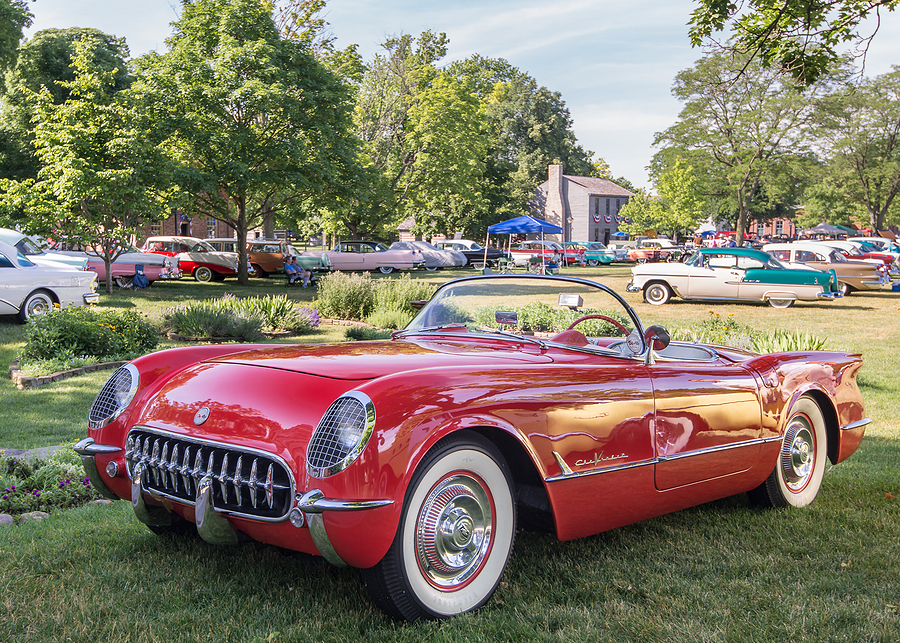
Ohio’s proximity to the Corvette’s assembly plant in Bowling Green, Kentucky, has created a passionate following for early Corvette models throughout the state. These iconic American sports cars hold special significance for Ohio collectors, representing the golden age of American automotive performance and design.

The Bantam Connection

Well-preserved examples of the Bantam vehicle hold special significance due to their connection to the WWII Jeep prototype. With ties to Butler, Pennsylvania, near the Ohio border, these vehicles represent an important chapter in American automotive and military history.

Contact Us for Free Scrap Car Removal

Tips for Maintaining and Preserving Collector Cars

Proper car maintenance is crucial for preserving the value and functionality of collector cars. Understanding the unique needs of vintage vehicles helps ensure these automotive treasures remain in excellent condition for years to come.

Regular Cleaning and Protection

Wash and wax your collector car frequently to protect the paint from environmental elements. Use pH-neutral products specifically designed for automotive finishes to avoid damage to delicate paint systems. Regular cleaning prevents contaminants from causing permanent damage to your vehicle’s finish.

Proper Storage Solutions

Store your collector car in a climate-controlled environment to prevent rust, corrosion, and material degradation. Temperature fluctuations and humidity can cause significant damage to both mechanical components and interior materials. A proper storage facility protects your investment from environmental threats.

Fluid Maintenance

Regularly check and change all fluids, including oil, coolant, brake fluid, and transmission fluid. These fluids are the lifeblood of your vehicle’s mechanical systems, and maintaining proper levels and quality keeps everything running smoothly. Use fluids that meet or exceed the original specifications for your vehicle.

Tire Care and Maintenance

Maintain proper tire pressure and rotate tires regularly to ensure even wear patterns. Consider using tire covers when storing your vehicle to protect against UV damage and maintain tire integrity. Proper tire maintenance ensures safe driving and preserves these often-expensive components.

Upholstery and Interior Protection

Use seat covers and regularly condition leather or vinyl surfaces to prevent cracking and fading. Interior components in collector cars are often difficult or expensive to replace, making proper care essential for maintaining originality and value.

Mechanical System Care

Address mechanical issues promptly to prevent minor problems from becoming major expenses. Regular servicing by a qualified mechanic familiar with vintage cars is crucial for maintaining performance and reliability. These specialists understand the unique requirements of older vehicles.

Rust Prevention Strategies

Inspect your collector car regularly for rust, especially in vulnerable areas like wheel wells and undercarriage components. Apply rust inhibitors as needed to protect metal surfaces from corrosion. Early detection and treatment prevent expensive bodywork repairs later.

Electrical System Maintenance

Keep the battery charged and inspect wiring for damage or wear. Electrical problems can be particularly challenging in older vehicles, so preventive maintenance is essential. Rodent-proof your storage area to prevent wiring damage from unwanted visitors.

Documentation and Record Keeping

Keep detailed records of all maintenance, repairs, and modifications. This documentation adds to your car’s history and value while providing valuable information for future maintenance decisions. Complete records demonstrate proper care and attention to detail.

Regular Operation

Start your engine and let it run periodically, even during storage periods. This practice keeps mechanical components lubricated and prevents seals from drying out. Regular operation maintains the health of your vehicle’s systems and prevents storage-related problems.

Resources for Ohio Car Collectors

Ohio offers numerous resources for collector car enthusiasts, from specialized restoration shops to parts suppliers and automotive events. Building connections within the collector car community provides access to valuable knowledge, services, and opportunities.

Local car clubs provide networking opportunities, technical advice, and social connections with fellow enthusiasts. These organizations often maintain resources like parts exchanges, recommended service providers, and event calendars that benefit all members.

Specialized restoration shops throughout Ohio offer services ranging from complete frame-off restorations to specific component repairs. These professionals understand the unique requirements of collector cars and can provide expert guidance on maintaining authenticity and value.

Auto salvage yards like GC’s Junk Cars serve an important role in the collector car ecosystem, providing hard-to-find parts and components for restoration projects. These facilities often specialize in specific makes or eras, making them valuable resources for collectors seeking original parts.

Preserving Automotive Heritage for Future Generations

Collector Car Appreciation Day reminds us that these vehicles represent more than transportation—they embody history, craftsmanship, and human ingenuity. Every restored collector car tells a story of dedication, skill, and passion for automotive excellence.

The work of car restorers deserves special recognition for their commitment to preserving automotive heritage. These skilled craftspeople combine technical expertise with artistic vision to bring these mechanical masterpieces back to life. Their dedication ensures that future generations can appreciate and learn from these important examples of automotive history.

Take a moment to recognize the dedicated car restorers in your community. Their talent and knowledge contribute significantly to preserving our automotive heritage. Share their stories, acknowledge their skills, and support their efforts to keep these important vehicles on the road.

If you have scrap parts or junk cars taking up space, consider selling them to a local Cincinnati auto salvage yard. Not only will you earn cash on the spot, but you’ll also contribute to the parts supply chain that keeps collector cars running. These facilities play a crucial role in the collector car ecosystem by providing hard-to-find components for restoration projects.

Got scrap parts or a fixer-upper that never made it out of the garage? Let us turn them into cold hard cash for you! Contact GC’s Junk Cars to sell scrap cars and car parts in Cincinnati, today. We tow for free!

Get an Instant Offer Now 💵

Related Post: Tips for Properly Maintaining an Antique Car While in Storage

Understanding Dashboard Lights: When to Worry and What to Do 

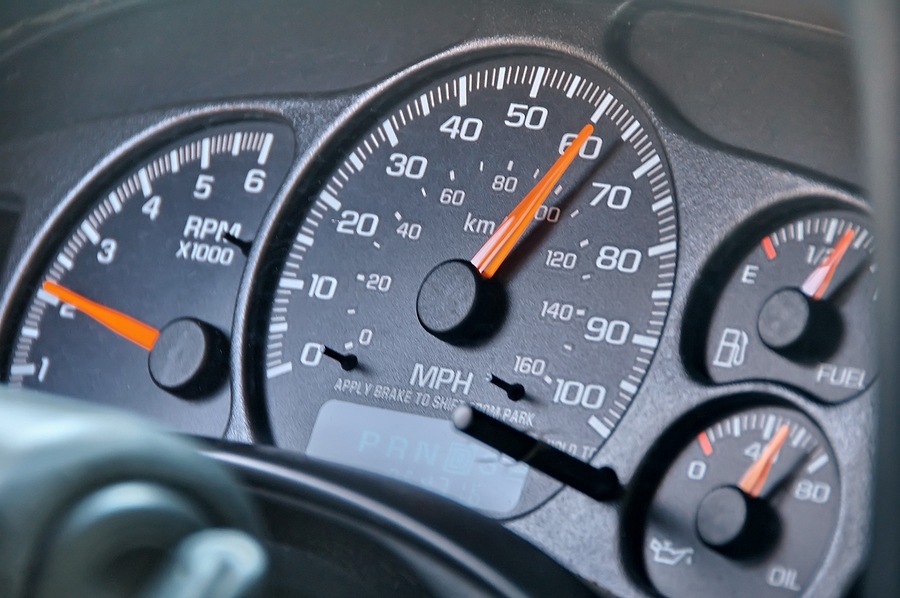
When a dashboard light flickers on, your first reaction might be panic, confusion, or even outright annoyance. What does that glowing symbol mean? Should you pull over? Can you safely keep driving?

Dashboard lights act as your car’s way of communicating its health and functionality. Understanding these lights can save you significant stress, time, and money while ensuring your safety on the road. 

This guide will walk you through what dashboard lights signify, which ones demand immediate attention, and when you should consult a professional or consider alternative solutions like scrapping your car for cash. 

Call 513-991-4776 to Get a Quote From a Totaled Car Scrapper in Cincinnati OH

What Are Automotive Dashboard Lights?

Dashboard lights are visual indicators on your car’s dashboard display that communicate potential issues, active systems, or reminders. They come in three main categories: 

Warning Lights 

These lights indicate a serious problem that needs immediate attention. Examples include the Check Engine Light, Battery Light, or Temperature Warning Light. 

Caution Lights 

Caution lights serve as alerts for potential issues or reminders to take preventive action, such as the Tire Pressure Monitoring System (TPMS) Light. 

Indicator Lights 

Indicator lights provide information about active systems, such as the Turn Signal Indicator or High Beam Light. 

Understanding the category of the light is the first step to assessing its importance. 

Common Dashboard Lights and Their Meanings 

Here’s a breakdown of several common dashboard lights you’re likely to encounter and what they might mean. 

Brake Warning Light 

  • What it means: This light typically indicates a low brake fluid level, worn brake pads, or a more severe issue like a faulty brake system. 
  • What to do: Pull over and inspect brake fluid levels. If the issue persists, avoid driving and have your car towed to a mechanic. 
  • Example repair cost: Brake pad replacement ranges from $150 to $300 per axle. 

Check Engine Light 

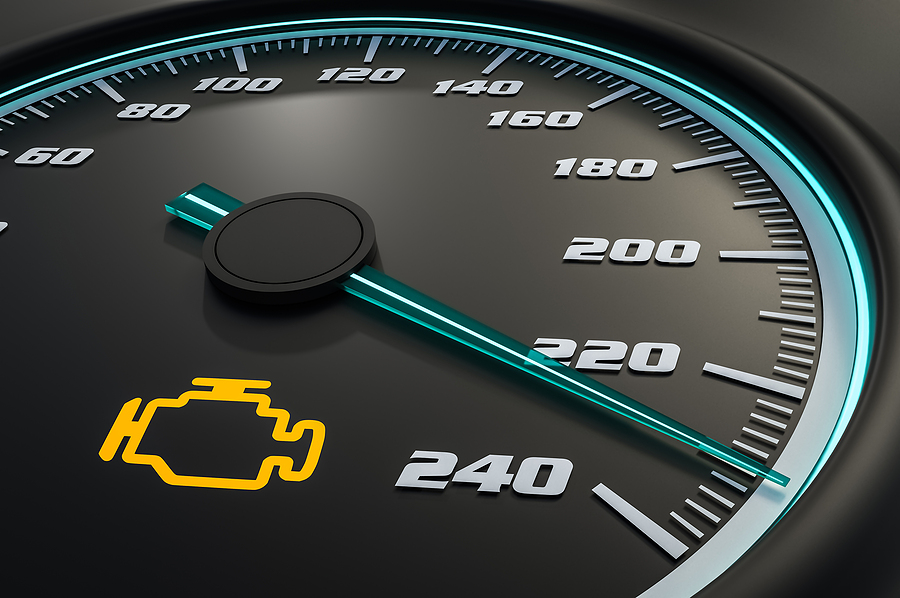
  • What it means: This could range from a loose gas cap to a serious engine fault. A steady light often indicates minor issues, while a flashing light signals immediate attention is required. 
  • What to do: Use a code reader to diagnose the issue or visit a mechanic if the light keeps flashing. 
  • Example repair cost: Replacing an oxygen sensor might cost $200-$300, while more complex repairs can go upwards of $500, sometimes $1,000+. 

Battery Light 

  • What it means: This light signals an issue with your charging system. Common causes include a failing alternator or battery. 
  • What to do: Get the battery and charging system checked immediately, especially if you notice dim headlights or trouble starting your car. 
  • Example repair cost: Alternator replacement can cost $300-$800. 

Oil Pressure Light 

  • What it means: Low oil pressure could indicate a leak, a bad oil pump, or critically low oil levels. 
  • What to do: Check your oil levels immediately. If low, add oil and monitor. If it persists, address it with a mechanic to prevent engine damage. 
  • Example repair cost: Oil pump repair can start at $300 and go up depending on labor costs. 

Temperature Warning Light 

  • What it means: Your engine is overheating, often due to low coolant levels, a failing thermostat, or radiator problems. 
  • What to do: Pull over and allow your car to cool. Check coolant levels and refill if necessary. Seek professional help promptly. 
  • Example repair cost: Replacing a radiator may cost $500-$1,000. 

Dashboard lights are not all created equal. Knowing when to take action can save both your vehicle and your wallet. 

Scrap Your Problematic Car For Cash!

When to Seek Professional Help 

While some dashboard lights can be addressed with basic fixes, others require immediate professional attention. Here’s how to assess the severity of an issue. 

Tips for Gauging Severity 

  • Color coding: Red lights generally mean stop immediately, while yellow or orange lights suggest caution. 
  • Flashing lights: A flashing light often indicates a critical issue requiring immediate action. 
  • Accompanying symptoms: Unusual noises, smells, or performance changes point to a more serious problem. 
  • Consult the manual: Your car’s owner’s manual provides specific guidance for each light. 

When in doubt, take your car to a trusted mechanic. A diagnostic scan can uncover the root of the problem. 

When Car Repair Costs Exceed Total Car Value 

If your vehicle’s issues seem overwhelming or repairing it won’t make financial sense, consider scrapping it. Junk car buying companies like GC’s Junk Cars in Cincinnati, Ohio, offer a hassle-free way to turn your car into cash. 

Here’s how it works with GC’s Junk Cars in Cincinnati:

  1. Share details about your vehicle (make, model, condition). 
  2. Receive a fast offer. 
  3. Schedule a free pick-up. 
  4. Get paid on the spot. 

Avoid spending more than your car is worth by exploring value-driven options like this. 

Preventative Tips to Avoid Dashboard Light Issues 

Many dashboard light triggers can be avoided with preventive maintenance. Implement these tips to keep your car running smoothly and avoid costly surprises:

  • Stick to maintenance schedules: Routine oil changes and tune-ups can prevent many issues. 
  • Inspect fluid levels: Regularly check engine oil, coolant, brake fluid, and power steering fluid. 
  • Monitor tire pressure: Proper tire inflation is crucial for safety and fuel efficiency. 
  • Check belts and hoses: Replace cracked or worn components proactively. 
  • Address minor issues quickly: Don’t delay repairs for small issues, as they can escalate. 

A little effort now can save you headaches later. 

Frequently Asked Questions About Dashboard Lights 

Can I still drive my car if the check engine light is on? 

If the light is steady and the car runs normally, you can drive short distances but should still get it checked soon. A flashing light indicates a severe issue; avoid driving and seek immediate help. 

Will disconnecting the battery reset dashboard lights? 

It might temporarily reset some lights, but it doesn’t solve the underlying problem. The light will likely return unless the issue is addressed. 

How accurate are code readers? 

Budget-friendly code readers provide a basic understanding of problems but don’t replace a professional diagnostic scan for a complete and accurate diagnosis. 

Can low tire pressure trigger a dashboard light? 

Absolutely. Many vehicles have a tire pressure monitoring system (TPMS) that illuminates a light when pressure is too low. Always maintain proper tire inflation to avoid risks. 

Is it possible to have a faulty sensor triggering a dashboard light? 

Yes. Faulty sensors are common culprits, and a mechanic can diagnose and replace them with appropriate tools. 

Conclusion 

Dashboard lights are your vehicle’s way of communicating vital information, guiding you to ensure safety and optimal performance. By understanding the common reasons behind these alerts—whether it’s low tire pressure, routine maintenance, or a faulty sensor—you can make informed decisions and act promptly. Ignoring these signals can lead to costly repairs or unsafe driving conditions, so always address them as soon as they appear.

When in doubt, consult a trusted mechanic for professional guidance and resolution. Staying attentive to these small warnings can go a long way toward keeping your vehicle in top shape and granting you peace of mind on the road.

Whether it’s a poorly running Honda, KIA, Toyota, or Hyundai, GC’s Junk Cars values each vehicle with competitive offers tied to current metal prices. Get a free quote and avoid spending more than necessary on repairs. 

Get Your Free Offer Now!

Related Post: How Serious is a Check Engine Light? Let’s Find Out!

How Long Will Your Car Last?

As a car owner, you’ve likely wondered, “How long will my car last?” The lifespan of a vehicle varies significantly based on several factors, from maintenance habits to driving conditions. Understanding these elements can help you maximize your car’s longevity, saving you money and ensuring reliable transportation. 

This post will explore the typical lifespan of a car, the key factors influencing its durability, and practical tips to extend its life. Plus, we’ll discuss when it might be time to consider scrapping your old car for cash. Let’s get started!

Call 513-991-4776 to Recycle or Scrap a Car Cincinnati in Ohio

What Influences the Lifespan of a Car?

The longevity of your vehicle depends on many factors, all of which play a vital role in its overall performance and durability. Here’s what you need to know:

Maintenance and Repairs

Regular maintenance is the foundation of car longevity. Cars that receive timely oil changes, tire rotations, and system checks last up to 30% longer than those with sporadic care. Neglecting routine upkeep can result in costly problems that may shorten your car’s lifespan significantly.

Driving Habits

Did you know that aggressive driving can reduce your vehicle’s lifespan by 15%? Hard braking, abrupt acceleration, and frequent high-speed driving place excessive stress on your car, leading to faster wear and tear. Smooth, controlled driving is much better for the long-term health of your vehicle.

Environmental Conditions

Your car’s surroundings also matter. For example:

  • Climate: Extreme heat causes fluids to evaporate faster, while freezing temperatures can harm your battery and engine.
  • Roads: Frequent driving on rough, unpaved roads leads to premature wear on tires, suspension, and brakes.
  • Rust: If unaddressed, rust can increase repair costs by 50%, particularly in climates with heavy rainfall or salty winter roads.

Frequency of Use

While regular use keeps your car’s components working efficiently, overuse can lead to faster deterioration. Similarly, cars that are rarely driven often suffer from issues like battery drainage and rust buildup.

Make and Model

Certain manufacturers are known for producing more durable vehicles. For instance, models such as the Toyota Camry, Honda Civic, and Ford F-150 consistently rank as some of the most reliable, long-lasting cars on the market.

How Many Years or Miles Can a Car Last?

On average, modern cars last about 11.8 years or 200,000 miles. However, with exceptional maintenance, some vehicles can go well beyond these numbers. For example, a well-loved Toyota Camry might comfortably reach 300,000 miles, while a Ford F-150 often proves itself to be a workhorse with a similarly long life.

If your car has surpassed these benchmarks, you might need to weigh ongoing maintenance costs against its value and reliability. Keep an eye out for signs that your car could be nearing the end of its life.

Contact Us to Scrap a Car for Cash

Tips to Extend the Lifespan of Your Car

Want to keep your car in peak condition for longer? Here are some expert-recommended tips:

Regular Maintenance

  • Oil Changes: Schedule oil changes every 3,000 to 5,000 miles to keep the engine lubricated and prevent overheating.
  • Replace Filters: Change air, fuel, and cabin filters to maintain engine health and air quality.
  • Rotate Tires: Rotate your tires every 6,000 to 8,000 miles to ensure even wear and increase their longevity.
  • Inspect Brakes: Regularly check brake pads and rotors to ensure safe and smooth stopping.

Fluid Checks

Maintain optimal levels for vital fluids such as:

  • Motor oil
  • Coolant
  • Brake fluid
  • Transmission fluid
  • Power steering fluid

Low or contaminated fluids can lead to costly repairs.

Exterior and Interior Care

  • Wash Regularly: Washing your car often prevents dirt, salt, and grime from causing rust.
  • Protect from Weather: Use a car cover or park indoors to protect your vehicle from harsh weather conditions.
  • Clean Interior: Vacuum and wipe down surfaces to maintain a pleasant driving environment while preserving resale value.

Proactive Inspections

Have a trusted mechanic perform routine check-ups to catch potential issues early. It’s far easier (and cheaper) to replace a worn belt or hose before it breaks and causes additional damage.

Smart Driving Habits

Drive carefully to minimize wear and tear:

  • Avoid hard braking and accelerating.
  • Stick to speed limits.
  • Use cruise control on highways to reduce stress on engine components.

When to Replace or Scrap Your Car

While regular maintenance can greatly extend your car’s life, there comes a time when repairs no longer make financial sense. Here are some indicators that your car may be reaching the end of its road:

  • Frequent Repairs: If repair costs exceed 50% of the car’s current value, it’s likely time to move on.
  • Rust Damage: Severe rust compromises the structural integrity of your car, making it unsafe to drive.
  • Recurring Breakdowns: Constant breakdowns can leave you stranded and rack up significant costs over time.
  • Poor Gas Mileage: Aging vehicles often become less fuel-efficient, raising your operational costs.

If your car is at this stage, consider scrapping it for cash. This gives you extra funds to invest in a new, more reliable vehicle while ensuring environmentally responsible recycling.

How to Scrap Your Old Car for Cash

When it’s time to say goodbye, scrapping your old car is a simple and rewarding process:

  1. Contact a Scrapping Service: Find a reputable company like GC’s Junk Cars in Ohio that offers cash for vehicles.
  2. Provide Vehicle Details: Share your car’s make, model, year, and condition for an instant quote.
  3. Schedule Pickup: Arrange a convenient time for the car to be picked up or towed.
  4. Prepare Paperwork: Ensure your title and other necessary documents are ready.
  5. Remove Personal Items: Double-check the car for belongings before it’s taken.
  6. Get Paid: Receive cash on pickup while the scrap service handles environmentally safe recycling.

This hassle-free process makes it easy to part ways with your car and get value in return.

Drive Smarter for a Longer Roads Ahead

Your car’s lifespan is influenced by a combination of maintenance, driving habits, and environmental factors. With proper care, you can keep your vehicle running smoothly for years to come, maximizing its performance and value.

But when the time comes to retire your ride, scrapping it for cash is a practical choice that benefits both your wallet and the planet. Take control of your vehicle’s future today by giving it the care and attention it deserves.

Need help scrapping your car? Contact GC’s Junk Cars to learn more about turning your old car into extra cash and a new opportunity. We pay cash on the spot and provide free junk car removal.

Get a Junk Car Quote Right Now

Related Post: Maintenance Tips for a High Mileage Car

Understanding Your Car: What Does a Check Engine Light Mean? 

We’ve all been there. You’re driving down the road, your favorite playlist blasting, when suddenly your check engine light flickers on. That little glowing symbol can send chills down your spine. Is it something simple, like a loose gas cap, or could it mean a costly engine repair? 

This blog breaks down what the check engine light, also known as the malfunction indicator lamp (MIL), actually means. From common causes to how to diagnose the problem, we’ll explore every angle to help you stay calm, informed, and proactive. 

Call 513-991-4776 to Get in Touch With Our Total Loss Vehicle Buyers in Cincinnati
Call 513-991-4776 to Get a Free Offer From Our Total Loss Vehicle Buyers in Cincinnati

Common Reasons for a Check Engine Light 

The check engine light serves as your car’s way of letting you know something isn’t right. Sometimes, the issue is minor and easy to fix. Other times, it could signal a more serious problem that requires professional attention. Here are the most common culprits behind those dreaded dashboard warning lights:

1. Loose Gas Cap 

A loose or cracked gas cap might seem trivial, but it can trigger your check engine light. It happens because the gas cap helps seal your fuel system, preventing fuel vapors from escaping. When it’s loose, your car’s sensors detect a leak and send an alert to your dashboard. 

Quick Fix: 

  • Turn off the engine and tighten the cap until it clicks. 
  • If the light doesn’t turn off within a few drives, inspect the gas cap for cracks or damage and replace it if necessary. 

2. Oxygen Sensor Issues 

The oxygen sensor monitors the level of unburned oxygen in your car’s exhaust and ensures your engine uses fuel efficiently. Over time, this sensor can wear out, leading to reduced mileage and increased emissions. 

Solution: Replace the faulty sensor promptly to prevent damage to other components, such as the catalytic converter. 

3. Catalytic Converter Problems 

The catalytic converter reduces harmful emissions by converting toxic gases into safer byproducts. When it malfunctions, you might notice a decrease in fuel efficiency or even a “rotten egg” smell coming from your exhaust. 

Warning Signs: 

  • Poor acceleration. 
  • Unusual exhaust sounds or sulfuric odors. 

Unfortunately, replacing a catalytic converter can be costly, so regular maintenance is crucial. 

4. Mass Airflow Sensor Failure 

This sensor measures the amount of air entering your engine, ensuring the right air-to-fuel ratio for optimal performance. Symptoms of a failing mass airflow sensor include rough idling, poor gas mileage, or difficulty starting the car. 

When to Replace It: If your OBD-II diagnostic tool confirms the issue, replace the sensor to prevent long-term engine wear.

5. Spark Plug or Ignition Coil Issues 

Faulty spark plugs or ignition coils can cause misfires or trouble starting your car. This not only affects performance but could eventually lead to more severe engine problems. 

Proactive Tip: Regularly replace spark plugs according to your manufacturer’s recommendations to avoid this issue. 

Diagnosing an Illuminated Check Engine Light

The good news is, you don’t have to be an automotive expert to start diagnosing the problem. Thanks to advances in technology, tools like an OBD-II scanner allow you to interpret error codes and pinpoint the issue quickly. 

Using an OBD-II Scanner 

OBD-II scanners, such as those by Bosch, plug into a port beneath your dashboard. These devices make it easy to read the error codes triggering the check engine light. 

Interpreting Error Codes 

Each code corresponds to a specific issue, and you can cross-reference these codes with your car’s manual or an online database. For example:

  • P0455 might indicate a large fuel vapor leak, likely from a loose gas cap. 
  • P0300 could mean random engine misfires due to spark plug issues. 

When to Consult a Professional 

If the issue isn’t obvious or involves a critical component like the catalytic converter, it’s best to call an automotive diagnostics expert or visit a repair shop. 

DIY Fixes vs. Professional Repair 

Understanding when you can handle the problem yourself and when you need professional help is essential for managing costs and maintaining your car’s health.

Simple Fixes You Can Do 

  • Loose Gas Cap: Fix or replace it yourself. 
  • Replace Fuses: Easily fixable with a replacement from an auto parts store. 
  • Reset Error Codes (only if the issue is resolved). 

When to Seek Professional Help 

  • Complex issues involving your engine, catalytic converter, or transmission. 
  • If multiple dashboard lights accompany the check engine light. 
  • When the issue persists after attempting basic fixes. 

Learn How the Car Selling Process Works

Preventing Check Engine Light Issues 

Prevention always beats repair. Regularly maintaining your car can significantly reduce the chances of seeing your check engine light blinking back at you. 

Key Maintenance Tips 

  • Tighten the Gas Cap regularly to prevent fuel vapor leaks. 
  • Adhere to the Maintenance Schedule provided by your car’s manufacturer. This includes routine oil changes, fluid checks, and tune-ups. 
  • Address Unusual Symptoms Promptly to avoid minor problems escalating into major repairs. 
  • Use Quality Fuel and additives to keep your engine clean. 
  • Inspect Battery Terminals periodically to maintain a reliable electrical connection. 

By following these tips, not only will you keep your dashboard lights clear, but you’ll also extend the lifespan of your car.

When the Light Means a Total Loss

Sometimes, a check engine light can be indicative of a serious, non-repairable issue. If the cost to repair your vehicle exceeds the vehicle’s actual market value, then your insurance company will likely deem it a total loss vehicle.  In this case, your insurance company will likely offer you a cash payout for the value of your vehicle rather than covering the repairs. If your car is uninsured, selling to an auto salvage yard is your best bet.

Benefits of Selling a Totaled Car to an Auto Scrapyard

By choosing to sell your totaled car to an auto salvage yard, you have the opportunity to not only receive fair value for your vehicle, but also avoid ongoing expenses and immediate financial relief. Additionally, selling your car to a reputable salvage yard means that it will be properly recycled and disposed of in an environmentally friendly manner. Here are the main benefits:

Quick and Easy Solution ☑

Selling your junk car to an auto salvage yard is often a quick and easy solution for getting rid of your damaged vehicle. You won’t have to go through the hassle of finding potential buyers or dealing with negotiations. The process is typically simple and straightforward – just hand over your car and receive payment in return.

Environmental Impact ☑

By choosing to sell your totaled car to an auto scrapyard, you are also making a positive impact on the environment. These yards specialize in recycling and salvaging usable parts from damaged vehicles, reducing the need for new car production and ultimately decreasing carbon emissions.

Avoiding Storage Fees ☑

If you have a totaled car sitting in your driveway or garage, it’s likely that you are accruing storage fees. By selling your car to an auto salvage yard, you can avoid these additional costs and free up space on your property.

Cash Payment ☑

Another benefit of selling your totaled car to an auto scrapyard is receiving payment upfront in cash. This can provide immediate financial relief, especially if you are facing unexpected expenses due to the accident that caused your car to be totaled. It also eliminates the hassle of waiting for insurance companies to process claims and issue payouts.

Don’t Ignore That Light 

The check engine light isn’t something to brush off. While check engine lights can sometimes indicate serious issues, they can also serve as a helpful reminder to maintain regular car maintenance and address potential problems before they become bigger and more expensive.

By regularly checking your dashboard lights and addressing any issues with your mechanic, you can keep yourself safe on the road and avoid costly repairs in the future.

Have you found yourself with a total loss car after getting back that astronomical auto repair bill? Let us ease the discomfort with an instant cash payment. Contact GC’s Junk Cars to get the junk car salvage process started. We tow away your car for free!

Get an Instant Junk Car Offer Now

Related Post: How Serious is a Check Engine Light? Let’s Find Out!

Car Repairs That Can Make Your Wallet Cry: A Guide on How to Deal

Owning a car is often a necessity, but it can also feel like a financial black hole, especially when costly repairs rear their ugly heads. For many drivers, unexpected repair bills can completely upend a carefully planned budget. From engine overhauls to suspension replacements, some fixes can make your wallet groan louder than a faulty muffler.

In this guide, we’ll explore which car repairs can be frighteningly expensive, provide tips to minimize such costs, and even walk you through what to do if your car is simply too expensive to repair. By the end, you’ll know how to approach repairs strategically while keeping more cash in your pocket.

Call 513-991-4776 if You are Looking for Local Junk Car Buyers in Cincinnati Ohio

Understanding the Most Expensive Car Repairs

Not all car problems are created equal. While some repairs are minor and relatively affordable, others can rival the cost of an international vacation. Here, we’ll break down the big-ticket fixes that catch drivers off guard.

Engine Repairs: The King of Costly Fixes

Your car’s engine is its beating heart, and when it malfunctions, expect a hefty repair bill. Rebuilding or replacing an engine can cost anywhere from $3,000 to $10,000, depending on the make and model of your car.

  • Example: Replacing the engine in a late-model BMW 3 Series can easily exceed $8,000 due to the cost of parts and labor.
  • Why it’s expensive: Engines have many intricate components, and diagnosing the issue alone takes hours of specialized labor.

Transmission Troubles: Shifting Your Budget

Transmission repairs are another dreaded expense. A transmission rebuild or replacement can set you back $2,000 to $7,000, depending on whether your car uses a manual or automatic gearbox.

  • Example: Rebuilding the transmission in a Ford F-150 truck can cost at least $3,500 or more.
  • Why it’s expensive: Rebuilding a transmission involves meticulously disassembling and reassembling dozens of moving parts.

Electrical Issues: Wiring and Worrying

With modern vehicles relying heavily on electronics, electrical faults can make your car feel haunted. Repairs can range from $1,000 to $3,000 or more if significant rewiring or module replacements are necessary.

  • Why it’s expensive: Diagnosing electrical problems often requires advanced diagnostic technology and significant labor time.

Air Conditioning: Staying Cool Under Pressure

No one likes sweating it out while driving in summer heat. Unfortunately, air conditioning repairs, particularly replacing the compressor, aren’t cheap, often costing $1,000 to $2,500.

  • Example: A failed compressor replacement in a Honda Civic might push labor and parts costs to around $1,200.
  • Why it’s expensive: Compressors are complex components, and replacing them often involves handling refrigerants, requiring specialized tools and licenses.

Suspension Problems: Bumpy Road to Big Bills

Suspension work keeps your car driving smoothly, but worn-out shocks, struts, or control arms can quickly result in a bill north of $1,500 to $4,000.

  • Example: Overhauling a suspension system in an older Mercedes-Benz sedan can easily approach $3,500 due to the premium cost of parts.
  • Why it’s expensive: Suspension systems are mechanical and labor-intensive to replace, especially for luxury or older vehicles.

Catalytic Converter Replacement

Catalytic converters, which help reduce emissions, are commonly targeted by thieves due to the precious metals inside. They are also known to simply breakdown after so many years of use. Either way, replacing a catalytic converter can cost $1,000 to $3,000.

  • Example: Replacing one in a 2002 Cadillac Escalade might cost you upwards of $1,500.
  • Why it’s expensive: High market demand for the rare metals used in converters keeps prices steep.

Learn How Much Your Junk Car is Worth

Ways to Minimize Expensive Car Repairs

While some repairs are unavoidable, there are several proactive steps you can take to minimize both the frequency and cost of major fixes.

☑ Regular Maintenance

Stick to your car manufacturer’s recommended maintenance schedule. Routine oil changes, brake inspections, and fluid top-ups can prevent small issues from becoming costly nightmares.

☑ Driving Habits

Aggressive driving, like rapid acceleration and harsh braking, can wear out key components faster. Avoid bad habits like revving the engine or overloading your vehicle beyond its weight limit.

☑ Prompt Attention to Issues

If you notice unusual noises, warning lights, or performance changes, don’t wait. Addressing minor issues early can save you thousands in bigger repairs.

☑ Find a Trusted Mechanic

Seek out a reputable mechanic who offers fair pricing and honest assessments. Shop around for estimates and read reviews to ensure you’re not being overcharged.

☑ Explore DIY Repairs for Simple Tasks

Handling minor maintenance jobs yourself, like replacing air filters or spark plugs, can save you a significant amount in labor costs. Just make sure you have the right tools and tutorials.

☑ Consider Used or Refurbished Parts

Opting for high-quality used or refurbished parts from trusted suppliers can reduce expenses significantly without sacrificing reliability.

☑ Invest in Warranty Coverage

Buying an extended warranty for a newer car can provide financial protection for costly repairs—but only if it makes sense for your situation.

Dealing with a Car That is Too Old to Repair

Sometimes, a repair just isn’t worth the cost. If the estimated fix exceeds your car’s actual cash value (ACV), it may be deemed a total loss by your insurer.

What Happens When Your Car is Totaled?

  1. Assessment: Your insurance provider evaluates the extent of the damage and estimates the cost to repair.
  2. Declaration: If the repair costs exceed the car’s ACV, your car is declared a total loss.
  3. Settlement: You’ll typically receive compensation based on the ACV of your vehicle, minus your deductible.
  4. Ownership Transfer: The insurer takes ownership of the totaled car unless you opt to retain it for salvage value.

What Can You Do with a Totaled Car?

  • Accept the insurer’s settlement and move on.
  • Retain the car and repair it yourself if you think it’s still usable.
  • Sell your totaled car to junk car buyers, such as GC’s Junk Cars in Cincinnati, which offers fair prices for cars that are no longer roadworthy.

Key Takeaways

Car repairs can certainly put a dent in your finances, but proper knowledge and proactive measures can lighten the blow. By investing in regular maintenance, practicing good driving habits, and exploring cost-saving options like used parts or extended warranties, you can significantly reduce the risk of costly repairs.

If your car is beyond saving, know that you still have options. Junk car buyers like us will help you turn a totaled or “too expensive to repair” vehicle into cash.

Looking to offload your junk car in Cincinnati, Ohio? Sell your junk car today with ease at GC’s Junk Cars! We pay cash on the spot and tow away cars for free.

Request a Free Offer Now

Related Post: When Repairs Break the Bank: The Hidden Costs of Car Breakdowns

The Unsung Hero of Engine Health: A Guide to Automotive Oil Filters 

When was the last time you thought about your car’s oil filter? It’s often overlooked, yet this small component plays a monumental role in keeping your engine running smoothly. A clogged or neglected oil filter can spell disaster for your vehicle, leading to costly repairs and reduced performance. This guide unveils the vital role of automotive oil filters, how to know when it’s time for a replacement, and why proper maintenance is crucial for optimal engine health.

By the end of this post, you’ll not only understand the importance of a well-maintained oil filter but also feel equipped to make informed decisions about replacing it—whether DIY or with a professional.

Call 513-991-4776 if You are Looking For a Scrap Car Buyer in Cincinnati Ohio

What Does an Oil Filter Do? 

At its core, the oil filter is your engine’s guard dog. Its job? To ensure clean, contaminant-free oil flows into the engine. Here’s a closer look at what this hardworking component does:

  • Removes Contaminants: The oil circulating through your engine can pick up dirt, sludge, and metal particles. Oil filters trap these impurities, preventing them from circulating further and causing wear and tear. 
  • Maintains Oil Flow: By keeping the oil clean, the filter ensures it flows freely throughout the engine, keeping the various components lubricated and functioning smoothly. 
  • Prolongs Engine Lifespan: A clean oil filter significantly reduces friction and wear, helping your engine operate efficiently and last longer. 

Without a properly functioning oil filter, you run the risk of damaging vital engine components, leading to poor performance and eventual breakdown. 

Signs of a Clogged Oil Filter in a Car

Not sure if your oil filter is causing an issue? Here are some telltale signs that it may be clogged or nearing the end of its lifespan:

  • Engine Knocking: Dirty oil or a restricted flow due to a clogged filter can cause metal components inside the engine to grind together, resulting in unusual knocking or ticking noises. 
  • Decreased Oil Pressure: A clogged oil filter can cause oil pressure to drop, as oil struggles to find its way through the filter. 
  • Oil Discoloration: If your oil appears unusually dark or gritty during a check, it may indicate the filter isn’t doing its job of trapping contaminants effectively. 
  • Warning Lights: Low oil pressure or oil replacement warning lights on your dashboard are flashing? Take those seriously—they often signal filter or oil issues. 

Ignoring these signs can lead to severe damage, so act promptly if you notice any of these symptoms. 

How Often Should You Replace Your Oil Filter? 

Replacing your oil filter regularly is key to maintaining engine health. But how often should you do it? 

  • Consult Your Manufacturer’s Guide: Your vehicle’s manual is a goldmine of information. Most manufacturers recommend replacing the oil filter during every oil change (usually every 3,000 to 7,500 miles). 
  • Consider Driving Conditions: Frequent short trips, stop-and-go traffic, or driving in dusty environments put extra strain on your oil filter, necessitating more frequent replacements. 
  • Take Oil Type into Account: Synthetic oils tend to last longer than conventional oils, meaning you may not need to change the filter as often if you’re using synthetic. 

Sticking to these intervals ensures clean oil flows freely through your engine, enhancing overall performance and longevity. 

DIY vs. Professional Oil Filter Replacement 

Wondering whether to roll up your sleeves or leave it to the experts? Here’s a breakdown of the pros and cons of each option. 

DIY Oil Filter Replacement 

Pros: 

  • More affordable, as you only pay for the filter and oil. 
  • Gives you greater control over the process and helps you learn more about your vehicle. 

Cons: 

  • Requires some mechanical knowledge and tools. 
  • Mistakes can lead to leaks, improper installation, or even engine damage. 

Professional Replacement 

Pros: 

  • Expertise ensures the job is done right, with proper disposal of old oil and filters. 
  • Quick and convenient for busy schedules. 

Cons: 

  • Higher cost compared to DIY. 
  • Shop scams are out there.

If you’re confident in your skills and enjoy hands-on vehicle maintenance, DIY may be a good option. For peace of mind and optimal results, a professional service could be worth the investment. 

Choosing the Right Oil Filter 

Not all oil filters are created equal choosing the right one for your vehicle is essential. Here are the key factors to consider:

  • Filter Type: Depending on your vehicle, you may need a full-flow filter, a bypass filter, or a combination of both. Check your manual to confirm compatibility. 
  • Filtration Efficiency: Opt for a filter with higher efficiency ratings, as it will do a better job of trapping impurities. 
  • Size and Compatibility: Ensure the oil filter fits your vehicle’s specifications. An incorrect size could lead to leaks or fitment issues. 
  • Brand Reputation: Stick to reputable brands known for their quality and reliability. Saving a few bucks on a generic filter may cost you more in the long run. 

Taking the time to select the right oil filter can make a world of difference in maintaining your vehicle’s health and performance. 

Conclusion

Your vehicle works hard for you—return the favor by prioritizing regular oil filter maintenance. A clean and functional oil filter is the unsung hero behind a well-performing engine, extending your vehicle’s lifespan and reducing costly repairs. Whether you choose to replace it yourself or rely on a trusted professional, the important thing is to make it a priority.

Don’t wait until warning lights flash or engine noise signals trouble. Keep an eye on mileage, driving conditions, and oil quality, and remember to choose the right oil filter for your car. Take charge of your vehicle’s health today. A smooth ride—and a happy engine—awaits!

Is your uninsured vehicle too far past the point of repair or maintenance? Contact GC’s Junk Cars at 513-991-4776 and get paid cash on the spot with our easy junk car selling process in Cincinnati, Ohio. We accept all make and model vehicles and auto parts, regardless of condition. We also provide free junk car removal!

Related Posts:

Tips for Properly Maintaining an Antique Car While in Storage
Maintenance Tips for a High Mileage Car
When Repairs Break the Bank: The Hidden Costs of Car Breakdowns

When Engine Work Costs More Than Your Ride: A Guide for Owners of Older Cars 

Owning an older car comes with its charm—reliable companionship, fond memories, and sometimes, a much-loved model that’s hard to part with. However, what happens when your car faces major engine work that rivals or even exceeds its worth? 

If you’re a car owner grappling with this dilemma, you’re not alone. Many face the difficult decision of whether to repair their trusty ride or explore alternatives. This guide will walk you through the factors that influence major engine costs, how to assess your car’s value, and practical options for making the best decision. 

Call 513-991-4776 to Get in Touch With Our Professional Auto Salvage Yard in Cincinnati Ohio

Factors Affecting Major Engine Work 

Major engine work doesn’t occur overnight. A variety of factors can contribute to a car’s engine issues, and understanding them can help car owners empathize with the repair costs. 

Wear and Tear 

Engines are the hardest-working components of your car and experience natural wear over time. Particularly with older vehicles, mileage eventually catches up, leading to engine components like pistons, crankshafts, and valves becoming worn or faulty. 

Neglected Maintenance 

Routine maintenance is key in extending your engine’s lifespan. Failing to change the oil regularly, neglecting minor repairs, or ignoring warning lights can compound issues, resulting in major engine failures. 

Environmental Factors 

Heat, cold, or excessive moisture can significantly affect engine durability. If your car lives in extreme climates, the engine may encounter reduced performance or require unexpected repairs due to outside conditions. 

Estimating the Cost of Major Engine Work 

Wondering exactly how much “major engine work” can cost? Unfortunately, the numbers can be eye-watering. Here are some general estimated expenses associated with large-scale engine repairs or replacements to give you a realistic picture:

  • Cylinder Repair/Rebuild: $500–$1,500 
  • Valve Replacement or Adjustment: $1,000–$2,500 
  • Crankshaft or Piston Repair: $1,500–$3,000 
  • Engine Replacement (Used Engine): $2,500–$5,000 
  • Engine Replacement (New Engine): $4,000–$10,000+ 

Labor costs also often account for 50% or more of the total cost, depending on the complexity of the work and hourly rates in your area. When your car is worth $5,000 or less, even minor repairs like these start to feel unjustifiable. 

Considering the Value of Your Car 

Now that you know how costly major engine work can be, it’s time to weigh those costs against what your car is actually worth. 

Determining Your Car’s Worth 

Here are actionable steps to quickly assess your vehicle’s current market value:

  • Check the Kelley Blue Book (KBB): Tools like KBB help you estimate the actual cash value of your car based on age, condition, model, and mileage. 
  • Get a Local Appraisal: Some local mechanics or dealerships may offer free appraisal services tailored to your region. 
  • Factor in Condition: Be honest about the wear and tear on your car—cosmetic flaws, outdated features, and excessive miles matter. 
  • Pro Tip: If the cost of the engine work exceeds 60–70% of the car’s market value, it’s time to seriously consider selling, salvaging, or replacing it instead. 

Making the Decision: Repair or Replace? 

Choosing between repairing your car or letting it go is a tough call, but it helps to evaluate both options using practical criteria. 

Repair Pros and Cons: 

Pros 

  • Keeps your beloved car on the road longer 
  • A repaired engine operates like new if done thoroughly 

Cons 

  • Expensive upfront costs 
  • Risk of additional costly repairs down the line 

Replace Pros and Cons: 

Pros 

  • No impending maintenance woes 
  • Newer cars are gas-efficient, Eco-friendly, and kitted with modern features 

Cons 

  • Larger, upfront financial investment needed for a new or certified pre-owned vehicle
  • Think long-term. For cars nearing the end of their lifespan, replacement often presents more significant value 

Alternatives to Major Engine Work 

Not ready to cough up repair cash or splurge on a new car? Consider these cost-effective alternatives to extend your car’s life or turn it into an asset. 

DIY Repairs 

If the damage isn’t too extreme, do-it-yourself repairs can offer significant savings. Repair manuals and online tutorials for older car models can be useful—but only if you’re confident in your mechanical skills. 

Refurbished or Used Engine Parts 

Replacing the entire engine doesn’t always require a new part. Salvaging a low mileage used engine or sourcing refurbished components may help reduce repair costs significantly. 

Sell as Is or Salvage 

If the costs just aren’t worth it, selling your car to an auto salvage or junkyard could be a practical solution. Such companies often buy “totaled” or old cars and provide instant cash offers that may pleasantly surprise you. It’s a stress-free way to extract value from what seems like a lost cause. 

Maximize Its Trade-In Value 

If your car is still operational but approaching costly repairs, trading it in with a dealer for a newer model could save you more money than attempting one last (expensive!) repair. 

Conclusion

No car owner wants to hear the words “engine replacement,” but knowing your options puts you in control of the situation. Whether you decide to repair, replace, or salvage, there’s value in assessing your car’s condition and cost-effectiveness.

If you’re ready to say goodbye to an old friend, consider selling your car to a trusted auto salvage yard. Many offer fantastic returns, even for cars with major issues. Simply drop it off or arrange a pickup, and get cash in hand while avoiding emotional and financial stress.

Looking for a auto salvage yard in Cincinnati that will pay you the most money for your total loss vehicle and tow it away for free? Contact GC’s Junk Cars at 513-991-4776 today and we’ll provide a free, no-obligation quote for your junk car! We look forward to helping you get cash for your scrap car today.

Related Posts:

Keep an Eye Out for These 3 Common Auto Repair Shop Scams
What to Do if You Cannot Pay $5000 to Replace a Blown Car Engine
Will it Be Expensive to Replace a Catalytic Converter?

Tire Care 101: A Comprehensive Guide for Car Owners
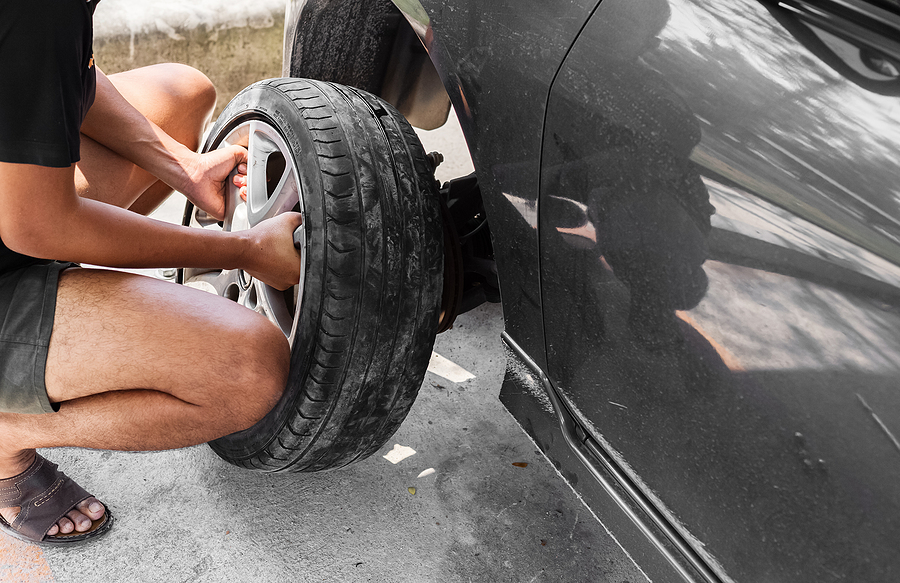
Tires are the unsung heroes of your vehicle. While they may not boast the horsepower of an engine or the sleek design of a chassis, they play a critical role in your car’s safety and performance. In this guide, we’ll explore the essentials of tire care, from maintaining and changing car tires to understanding when to repair or replace them. Whether you’re a seasoned DIY enthusiast or a car owner seeking to maximize your vehicle’s longevity, these insights will keep you rolling smoothly down the road.

Call 513-991-4776 if You are Looking to Recycle Old Car Wheels in Cincinnati Ohio

The Importance of Well-Maintained Car Tires

Investing time in tire care is investing in your safety. Properly maintained car tires ensure optimal grip on the road, reduce the risk of blowouts, and improve fuel efficiency. Regular tire maintenance can also save you money by extending the life of your tires and preventing costly repairs down the line. It’s a small effort that yields significant rewards for every car owner.

Road conditions, driving habits, and seasonal changes can all impact your tires. Understanding these variables allows you to address tire issues proactively. With knowledge and routine checks, you can ensure that your tires remain in top condition, ready to tackle any terrain or weather.

Even if you’re not a car enthusiast, knowing the basics of tire care is a valuable skill. It empowers you to make informed decisions, enhances your safety on the road, and ultimately contributes to a smoother driving experience.

Tire Maintenance Guide

Maintaining your car tires involves routine checks and adjustments. This section will cover crucial aspects of tire maintenance, including pressure, tread depth, and rotation.

Checking Tire Pressure and Why It’s Crucial

Tire pressure is a critical factor in your vehicle’s overall performance. Under-inflated tires can lead to increased friction, which not only decreases fuel efficiency but also accelerates tire wear. Conversely, over-inflated tires can compromise grip and handling, leading to potential safety hazards.

To maintain proper tire pressure, invest in a reliable tire pressure monitoring system (TPMS) or a manual gauge. Check the pressure monthly and before long trips. Refer to your vehicle’s manual or the sticker inside the driver’s door for the recommended PSI (pounds per square inch).

Routine pressure checks are especially important during seasonal changes. Cold weather can cause pressure to drop, while hot weather can increase it. Adjusting your tire pressure according to these fluctuations ensures consistent performance and safety.

Understanding Tire Tread Depth and Signs of Wear

Tread depth is another crucial aspect of tire maintenance. It determines how well your tires grip the road, especially in wet conditions. The legal minimum tread depth varies, but a general rule is to replace tires when tread depth reaches 2/32 of an inch.

An easy way to check tread depth is the penny test. Insert a penny into the tread groove with Lincoln’s head facing down. If you can see the top of Lincoln’s head, it’s time to replace your tires. Uneven tread wear may indicate alignment issues or improper inflation.

Examine your tires for signs of wear, such as cracks, bulges, or exposed wires. These can indicate structural damage that requires immediate attention. Regular inspections help you catch wear patterns early, allowing you to address issues before they become safety risks.

Tips for Proper Tire Rotation to Ensure Even Wear

Tire rotation is an effective way to promote even tire wear and extend their lifespan. By periodically moving each tire to a different position on the vehicle, you ensure that all tires wear at a similar rate. Most manufacturers recommend rotating tires every 5,000 to 8,000 miles.

There are various rotation patterns, including front-to-back, cross, and five-tire rotation (if you have a full-size spare). The best pattern depends on your vehicle’s drivetrain and tire type. Consult your owner’s manual for specific recommendations.

Regular rotation not only extends tire life but also maintains balanced handling and traction. By following a consistent rotation schedule, you can maximize the value of your tires and enhance your driving experience.

Step-by-Step Guide to Changing a Flat Tire

Knowing how to change a flat tire is a vital skill for any driver. This step-by-step guide will walk you through the process, ensuring you’re prepared for unexpected situations on the road.

Essential Tools for the Job

Before embarking on your tire-changing adventure, ensure you have the right tools. A well-stocked kit includes a spare tire, lug wrench, jack, wheel wedges, gloves, and a flashlight. Familiarize yourself with the location of these tools in your vehicle.

Consider adding a tire sealant and portable air compressor to your kit. These can provide temporary fixes and get you to the nearest repair shop if a complete tire change isn’t possible. Having these tools on hand minimizes stress and keeps you safe during roadside emergencies.

It’s also wise to carry a reflective vest and warning triangle. These items enhance your visibility to other drivers, particularly if you need to change a tire at night or in inclement weather.

Safety Precautions to Take Before Starting

Safety should always be your top priority when changing a tire. Start by finding a safe, level area to park your vehicle. Engage the parking brake and place wheel wedges in front of or behind the tires to prevent rolling. Turn on your hazard lights to alert other drivers.

If you’re on a busy road, position your vehicle as far from traffic as possible. If you have passengers, ensure they stay inside or move to a safe distance away from the vehicle. A calm and cautious approach minimizes risks and keeps everyone safe.

Before lifting your vehicle with the jack, loosen the lug nuts slightly while the tire is still on the ground. This step makes it easier to remove the tire once the vehicle is lifted, ensuring a smoother process.

Detailed Steps for Changing a Tire on the Road or at Home

Begin by removing the hubcap (if applicable) and fully loosening the lug nuts with the wrench. Place the jack under the vehicle’s designated jacking point, then slowly raise the vehicle until the flat tire is off the ground.

Carefully remove the lug nuts and the flat tire. Align the spare tire with the lug bolts and slide it onto the hub. Hand-tighten the lug nuts, then lower the vehicle until the tire touches the ground. Use the wrench to fully tighten the lug nuts in a crisscross pattern.

Once the tire is securely in place, lower the vehicle completely and remove the jack. Reattach the hubcap if necessary and store your tools. Remember, a spare tire is a temporary solution—get your flat tire repaired or replaced as soon as possible.

When to Repair vs. Replace Tires

Deciding whether to repair or replace a tire can be challenging. Factors such as the extent of damage and your driving needs play a role in making the right choice.

Signs of Tire Damage That Can Be Repaired

Not all tire damage necessitates replacement. Minor punctures, typically less than 1/4 inch in diameter and located in the tread area, can often be repaired. Professional patching or plugging can fix these issues effectively. If you notice a slow leak or a small puncture, address it promptly to prevent further damage. Delaying repairs can worsen the issue and compromise your safety on the road.

Regular inspections enable you to catch and fix minor problems early. However, sidewall damage, large punctures, and severe tread wear generally require tire replacement. Always consult a professional if you’re unsure about the extent of damage.

Understanding When Tire Damage Necessitates a Replacement

Certain situations demand a tire replacement for safety reasons. If you experience a blowout, significant sidewall damage, or visible internal damage, replacement is the best option. Driving on a damaged tire can lead to dangerous situations.

Additionally, if your tires have reached the minimum tread depth or are over six years old, consider replacing them. Aging tires can become brittle and lose their grip, even if they appear to have adequate tread remaining. Ultimately, your safety is paramount. Prioritize replacing tires when in doubt, and seek professional advice to make informed decisions.

Advice on Selecting New Tires Based on Driving Needs and Budget

Choosing the right tires depends on various factors, including your driving habits, climate, and budget. All-season tires are versatile and suitable for most conditions, while winter tires provide extra grip in icy or snowy environments. Performance tires offer enhanced handling and responsiveness but may wear faster. If you frequently drive off-road, consider all-terrain tires for added durability and traction. Balance your needs with your budget to find the best option.

When selecting new tires, pay attention to warranties, reviews, and ratings. Investing in quality tires enhances your safety and driving experience, providing peace of mind on every journey.

Conclusion

Regular tire care is a fundamental aspect of vehicle maintenance that shouldn’t be overlooked. From ensuring proper inflation and tread depth to knowing when to repair or replace a tire, these practices keep you safe and your vehicle performing at its best. By following the guidelines outlined in this guide, you’ll gain a deeper understanding of tire care and empower yourself as a responsible car owner.

Remember, tire maintenance isn’t just about prolonging tire life—it’s about safeguarding your travels and enhancing your driving experience. If you’re ready to take the next step, consider recycling old car wheels and tires at a local auto salvage yard. Not only will you contribute to a greener environment, but you’ll also free up space for your fresh set of tires.

With your newfound knowledge and proactive approach to tire care, you can hit the road with confidence, knowing that your wheels are in top-notch condition.

Got some old car wheels just sitting around wasting space? Turn those alloys into cash today! Contact GC’s Junk Cars at 513-991-4776 to recycle automotive scrap and junk cars in Cincinnati, Ohio. We offer free towing for scrap vehicles and pay cash on the spot!

Related Posts:

Maintenance Tips for a High Mileage Car
Maximizing Value: How to Profit from Your Junk Car Parts
Revive, Reuse, Recreate: The Ultimate Guide to Repurposing Junk Car Parts

The Green Way to Power Down: Ensuring Safe Car Battery Disposal

In a world increasingly aware of environmental issues, safe car battery disposal is more important than ever. For Eco-conscious drivers, understanding how to properly dispose of old car batteries not only protects our planet but also safeguards human health. This blog post explores the ins and outs of car battery disposal, why it matters, and how you can play your part in promoting a healthier environment.

Call 513-991-4776 for Safe Car Battery Disposal in Cincinnati Ohio

Understanding Car Batteries and Their Environmental Impact

Car batteries are complex devices composed of hazardous materials like lead, sulfuric acid, and heavy metals. These components are essential for the battery’s function but pose significant environmental hazards if mishandled. When car batteries end up in landfills, they can leak toxic substances into the soil and water, posing risks to local ecosystems and human communities.

Improper disposal of car batteries contributes to pollution, potentially contaminating drinking water supplies and harming wildlife. Batteries that are not recycled may result in valuable materials being wasted instead of being reused. For Eco-conscious drivers, understanding the composition and impact of car batteries is the first step towards responsible management.

By recognizing the potential dangers, drivers can make informed decisions about battery disposal, reducing their ecological footprint. Awareness is key to preventing the harmful effects of battery waste and ensuring a safer environment for future generations.

Benefits of Proper Disposal

Recycling car batteries offers a multitude of benefits, both environmentally and socially. When batteries are recycled correctly, valuable materials such as lead and plastics can be recovered and reused, reducing the need for new raw materials. This not only conserves resources but also lowers the energy required for production, which can decrease greenhouse gas emissions.

Proper disposal also minimizes the risk of environmental contamination, protecting natural resources and public health. Communities benefit from cleaner air and water, less waste in landfills, and a more sustainable approach to battery use. Recycling programs foster a culture of responsibility, encouraging individuals to consider their environmental impact.

By participating in car battery recycling efforts, drivers contribute to a circular economy where materials are continuously reused, supporting job creation and economic growth in recycling industries. The positive ripple effects of proper disposal extend beyond the environment, enhancing community well-being.

How to Dispose of Your Car Battery Safely

Disposing of your car battery responsibly is easier than you might think, and it starts with a few simple steps. First, locate a certified recycling center or retailer that accepts used car batteries. Many auto shops, dealerships, and recycling facilities offer drop-off services, making it convenient for drivers to recycle batteries.

Ensure the battery is stored upright in a sturdy, acid-resistant container during transportation to prevent leaks. Be cautious when handling batteries, as they contain hazardous substances; wearing gloves and safety glasses is recommended to protect yourself from spills or contact with corrosive materials.

After dropping off the battery at a designated location, take a moment to verify that the facility follows proper recycling protocols. Responsible disposal ensures that harmful materials are managed safely and that valuable components are recovered and reused.

Eco-Friendly Battery Alternatives

For those looking to go beyond recycling, exploring Eco-friendly battery alternatives can make a significant difference. Sustainable battery options, such as lithium-ion or nickel-metal hydride, offer cleaner energy solutions for drivers. These batteries are often more efficient, have a longer lifespan, and are less harmful to the environment compared to traditional lead-acid batteries.

Switching to an Eco-friendly battery can reduce your vehicle’s environmental impact, providing peace of mind for Eco-conscious drivers. Additionally, advances in battery technology continue to improve the sustainability of electric and hybrid vehicles, offering greener transportation options.

By opting for sustainable batteries, drivers support innovation in clean energy technologies and contribute to reducing the overall carbon footprint of the automotive industry. Choosing Eco-friendly alternatives is a proactive step towards a more sustainable future.

The Role of Regulations and Environmental Policies

Government regulations and environmental policies play a crucial role in ensuring safe car battery disposal. Stringent guidelines mandate the proper handling and recycling of batteries, holding manufacturers and consumers accountable for environmental stewardship. These regulations help prevent illegal dumping and promote responsible waste management practices.

Environmental policies also support research and development of cleaner battery technologies, encouraging the transition to sustainable energy solutions. By setting standards and incentives for recycling, governments can drive positive change and foster a culture of sustainability among businesses and individuals.

For Eco-conscious drivers, staying informed about relevant policies and supporting regulatory efforts is essential. Advocacy for stronger environmental protections can lead to widespread improvements in battery disposal practices and contribute to a healthier planet.

Conclusion

Safe car battery disposal is a critical component of environmental stewardship, offering both practical and long-term benefits for Eco-conscious drivers. By understanding the composition and impact of car batteries, drivers can make informed decisions about recycling and disposal. Proper disposal not only conserves valuable resources but also protects natural ecosystems and public health.

Exploring Eco-friendly alternatives and supporting regulatory efforts further enhances sustainability efforts, making a positive impact on the environment. By taking these steps, drivers can lead by example, inspiring others to prioritize safe and responsible battery disposal.

Join us in this important effort to protect our planet. Share this guide with fellow drivers, and let’s work together towards a greener future.

Why not take advantage of this growing market and turn your unwanted car parts into cash right now? Contact GC’s Junk Cars at 513-991-4776 today to get a free, no-obligation quote for your scrap automotive parts and pieces! We are eager to help you earn the most cash for junk car parts, today.

Related Posts:

Maximizing Value: How to Profit from Your Junk Car Parts
Car Battery Buying Guide: Everything You Need to Know
How to Jumpstart a Car With a Dead Battery

Keep Your Ride Safe and Sound with Proper Car Brake Care

Brakes are the unsung heroes of your vehicle, quietly ensuring your safety on every drive. Whether you’re a seasoned driver or a new car owner, understanding how to maintain and inspect your brakes is crucial. This blog will guide you through the essentials of car brake maintenance, helping you stay safe on the road and avoid costly repairs. We’ll even suggest your next steps if bad brakes causes you to total your car.

Call 513-991-4776 to Get in Touch With a Local Junk Car Buyer in Cincinnati Ohio

The Importance of Brakes in Vehicle Safety

Brakes play a vital role in preventing accidents by allowing you to stop or slow down your car when necessary. It’s easy to take them for granted, but without functioning brakes, even the most skilled driver is at risk. Car accidents due to brake failure are not uncommon, and they can lead to severe damage, both to your vehicle and your health.

Regular brake maintenance and timely inspections are essential for your safety. By keeping your brakes in top condition, you reduce the risk of accidents and ensure a smooth driving experience. Understanding the importance of brakes is the first step toward becoming a responsible car owner. Whether you’re navigating through busy traffic or cruising down a quiet road, your brakes are always working hard.

How Car Brakes Work

Before diving into maintenance tips, it’s essential to understand how car brakes work. Most vehicles use a hydraulic system, where brake fluid transfers the force from your foot on the pedal to the brake pads. This force creates friction, slowing down the wheels and eventually bringing your car to a stop.

There are two main types of brakes found in cars today—disc brakes and drum brakes. Disc brakes are common in modern vehicles and are known for their efficiency. They consist of a brake disc, brake caliper, and brake pads. Drum brakes, on the other hand, are typically found in older models and rely on brake shoes pressing against a spinning drum.

Brake components wear down over time, which can affect their performance. Regular inspections can help identify any issues early, preventing costly repairs. Understanding the basic mechanism of brakes allows car owners to take proactive measures in maintaining them effectively.

The Impact of Weather Conditions on Brake Performance

Weather conditions can significantly impact your brakes’ performance, making it essential to adapt your maintenance routine accordingly. For example, heavy rain can reduce your brakes’ effectiveness by creating a thin layer of water between the brake pads and rotors. To counter this, gently apply your brakes occasionally during rainstorms to help maintain friction.

Cold temperatures can cause brake components to contract, potentially leading to reduced performance. In snowy or icy conditions, it’s crucial to drive slowly and leave extra space between vehicles to account for longer stopping distances. Regular inspections during winter months can help ensure your brakes remain in top condition.

Hot weather can also affect your brakes, as excessive heat can cause brake fluid to boil, leading to decreased braking efficiency. In hot climates, consider using high-temperature brake fluid to maintain optimal performance. Adapting your brake maintenance to weather conditions ensures your vehicle remains safe year-round.

Signs of Brake Wear and Tear

Recognizing the signs of brake wear is critical for maintaining brake performance. One common indicator is a squealing or grinding noise when applying the brakes. This often suggests worn brake pads that need immediate attention.

Another sign is a vibrating or pulsing brake pedal, which may indicate warped brake discs. This can compromise your car’s stopping ability and should be addressed by a professional as soon as possible. Additionally, if your car pulls to one side while braking, it might be a sign of uneven brake wear.

Pay attention to warning lights on your dashboard. Many modern vehicles are equipped with brake sensors that alert you when there’s a problem. If you notice any unusual behavior, it’s crucial to seek a professional brake inspection to prevent potential brake failure.

DIY Brake Maintenance Tips

While professional inspections are essential, there are several maintenance tasks you can perform to keep your brakes in good shape. Regularly checking your brake fluid level is a simple yet effective way to ensure your brakes are functioning correctly. Low fluid levels can lead to decreased braking performance.

Inspect your brake pads and rotors for any signs of wear or damage. If you notice any issues, such as thinning pads or scored rotors, it’s time to replace them. Keeping your brake components clean and free from debris also helps maintain their efficiency.

Finally, make sure your tires are properly inflated. Underinflated tires put extra stress on your brakes, leading to faster wear. These simple DIY brake maintenance tips can extend the life of your brakes and keep your vehicle running smoothly.

Common Brake Repairs and Their Average Costs

When your brakes start showing signs of wear, it’s crucial to address the issues promptly to avoid further damage. Common brake repairs include replacing brake pads, rotors, and calipers. Each repair has its associated costs, which can vary depending on the make and model of your vehicle.

Replacing brake pads is one of the most frequent repairs and typically costs between $100 and $300 per axle. Rotors may need replacement if they’ve become warped or excessively worn, with costs ranging from $200 to $500 per axle. In some cases, calipers may need replacing, which can cost between $300 and $800 per axle.

It’s essential to consult a professional mechanic to assess your brakes and recommend necessary repairs. Addressing bad brakes early can save you money in the long run and ensure your vehicle remains safe on the road.

The Link Between Brake Failure and Car Accidents

Neglecting brake maintenance can have severe consequences, including accidents and a totaled car. If the cost to repair a vehicle is more than the vehicle’s actual cash value, it will likely be deemed a total loss by the insurance company. If you do not have car insurance, you can sell your totaled vehicle to a local auto salvage yard in which junk car buyers pay cash for all scrap vehicles.

Brake failure is a leading cause of collisions, as it prevents drivers from stopping or slowing down effectively. By ignoring warning signs or delaying repairs, you’re putting yourself and others at risk. By staying proactive, you can ensure your brakes remain in top condition and reduce the likelihood of accidents. Investing in brake maintenance is not only essential for your safety but also for the well-being of others on the road.

Conclusion

Proper brake maintenance is essential for ensuring your vehicle’s safety and performance. By understanding how brakes work, recognizing signs of wear, and performing regular maintenance, you can extend the life of your brakes and prevent costly repairs.

Don’t wait for warning signs to become serious issues. Schedule a professional brake inspection today to keep your vehicle in peak condition. Remember, investing in brake maintenance now can save you money and ensure your safety on the road.

If you have a totaled car to sell, we can give you the best price in Cincinnati, Ohio. Contact GC’s Junk Cars at 513-991-4776 today and we’ll provide a free, no-obligation quote for your junk car! We look forward to helping you get cash for your total loss car today.

Related Posts:

What to Do if You Cannot Pay $5000 to Replace a Blown Car Engine
When Repairs Break the Bank: The Hidden Costs of Car Breakdowns
Keep an Eye Out for These 3 Common Auto Repair Shop Scams