Keep Your Ride Safe and Sound with Proper Car Brake Care

Brakes are the unsung heroes of your vehicle, quietly ensuring your safety on every drive. Whether you’re a seasoned driver or a new car owner, understanding how to maintain and inspect your brakes is crucial. This blog will guide you through the essentials of car brake maintenance, helping you stay safe on the road and avoid costly repairs. We’ll even suggest your next steps if bad brakes causes you to total your car.

Call 513-991-4776 to Get in Touch With a Local Junk Car Buyer in Cincinnati Ohio

The Importance of Brakes in Vehicle Safety

Brakes play a vital role in preventing accidents by allowing you to stop or slow down your car when necessary. It’s easy to take them for granted, but without functioning brakes, even the most skilled driver is at risk. Car accidents due to brake failure are not uncommon, and they can lead to severe damage, both to your vehicle and your health.

Regular brake maintenance and timely inspections are essential for your safety. By keeping your brakes in top condition, you reduce the risk of accidents and ensure a smooth driving experience. Understanding the importance of brakes is the first step toward becoming a responsible car owner. Whether you’re navigating through busy traffic or cruising down a quiet road, your brakes are always working hard.

How Car Brakes Work

Before diving into maintenance tips, it’s essential to understand how car brakes work. Most vehicles use a hydraulic system, where brake fluid transfers the force from your foot on the pedal to the brake pads. This force creates friction, slowing down the wheels and eventually bringing your car to a stop.

There are two main types of brakes found in cars today—disc brakes and drum brakes. Disc brakes are common in modern vehicles and are known for their efficiency. They consist of a brake disc, brake caliper, and brake pads. Drum brakes, on the other hand, are typically found in older models and rely on brake shoes pressing against a spinning drum.

Brake components wear down over time, which can affect their performance. Regular inspections can help identify any issues early, preventing costly repairs. Understanding the basic mechanism of brakes allows car owners to take proactive measures in maintaining them effectively.

The Impact of Weather Conditions on Brake Performance

Weather conditions can significantly impact your brakes’ performance, making it essential to adapt your maintenance routine accordingly. For example, heavy rain can reduce your brakes’ effectiveness by creating a thin layer of water between the brake pads and rotors. To counter this, gently apply your brakes occasionally during rainstorms to help maintain friction.

Cold temperatures can cause brake components to contract, potentially leading to reduced performance. In snowy or icy conditions, it’s crucial to drive slowly and leave extra space between vehicles to account for longer stopping distances. Regular inspections during winter months can help ensure your brakes remain in top condition.

Hot weather can also affect your brakes, as excessive heat can cause brake fluid to boil, leading to decreased braking efficiency. In hot climates, consider using high-temperature brake fluid to maintain optimal performance. Adapting your brake maintenance to weather conditions ensures your vehicle remains safe year-round.

Signs of Brake Wear and Tear

Recognizing the signs of brake wear is critical for maintaining brake performance. One common indicator is a squealing or grinding noise when applying the brakes. This often suggests worn brake pads that need immediate attention.

Another sign is a vibrating or pulsing brake pedal, which may indicate warped brake discs. This can compromise your car’s stopping ability and should be addressed by a professional as soon as possible. Additionally, if your car pulls to one side while braking, it might be a sign of uneven brake wear.

Pay attention to warning lights on your dashboard. Many modern vehicles are equipped with brake sensors that alert you when there’s a problem. If you notice any unusual behavior, it’s crucial to seek a professional brake inspection to prevent potential brake failure.

DIY Brake Maintenance Tips

While professional inspections are essential, there are several maintenance tasks you can perform to keep your brakes in good shape. Regularly checking your brake fluid level is a simple yet effective way to ensure your brakes are functioning correctly. Low fluid levels can lead to decreased braking performance.

Inspect your brake pads and rotors for any signs of wear or damage. If you notice any issues, such as thinning pads or scored rotors, it’s time to replace them. Keeping your brake components clean and free from debris also helps maintain their efficiency.

Finally, make sure your tires are properly inflated. Underinflated tires put extra stress on your brakes, leading to faster wear. These simple DIY brake maintenance tips can extend the life of your brakes and keep your vehicle running smoothly.

Common Brake Repairs and Their Average Costs

When your brakes start showing signs of wear, it’s crucial to address the issues promptly to avoid further damage. Common brake repairs include replacing brake pads, rotors, and calipers. Each repair has its associated costs, which can vary depending on the make and model of your vehicle.

Replacing brake pads is one of the most frequent repairs and typically costs between $100 and $300 per axle. Rotors may need replacement if they’ve become warped or excessively worn, with costs ranging from $200 to $500 per axle. In some cases, calipers may need replacing, which can cost between $300 and $800 per axle.

It’s essential to consult a professional mechanic to assess your brakes and recommend necessary repairs. Addressing bad brakes early can save you money in the long run and ensure your vehicle remains safe on the road.

The Link Between Brake Failure and Car Accidents

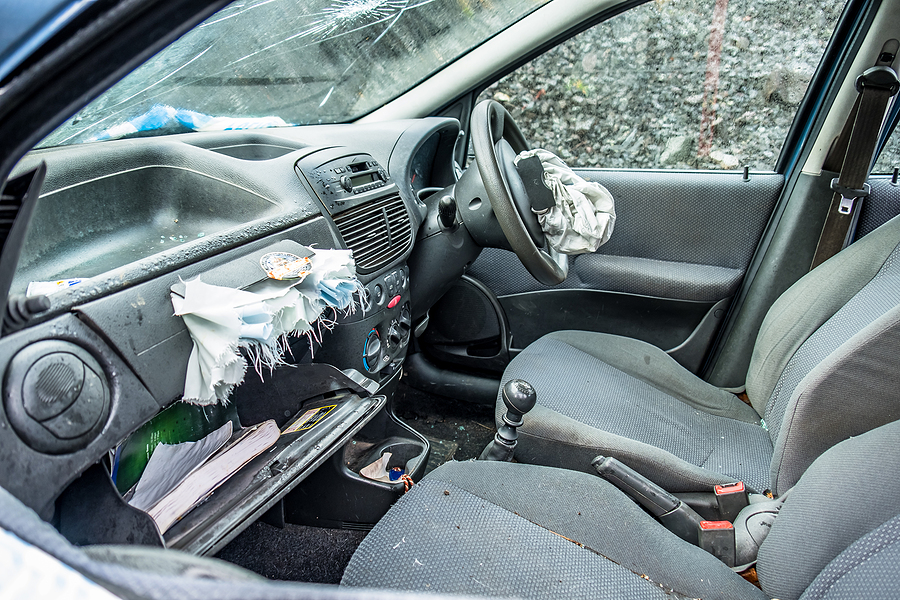
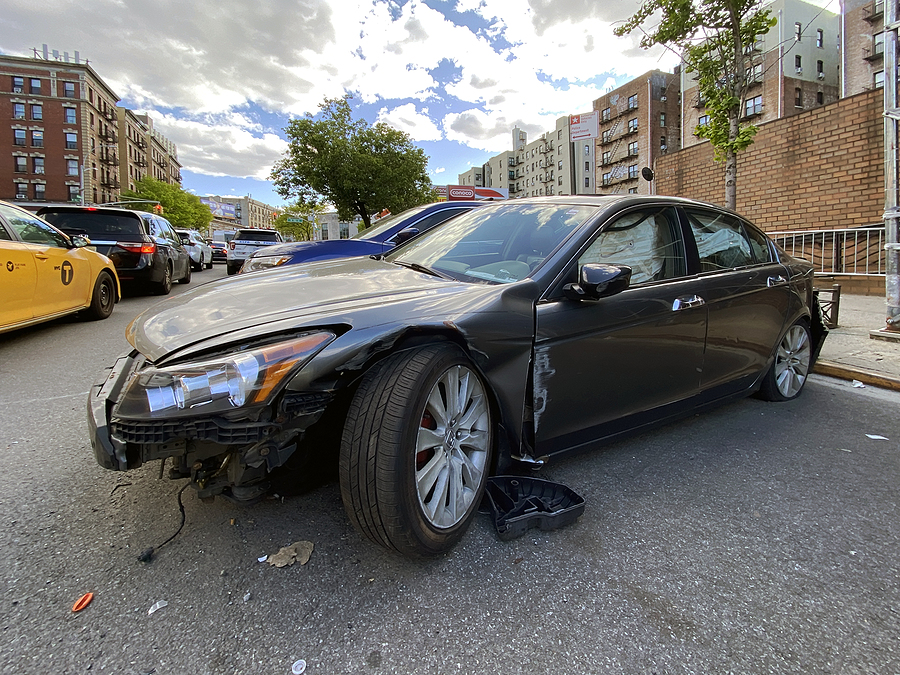
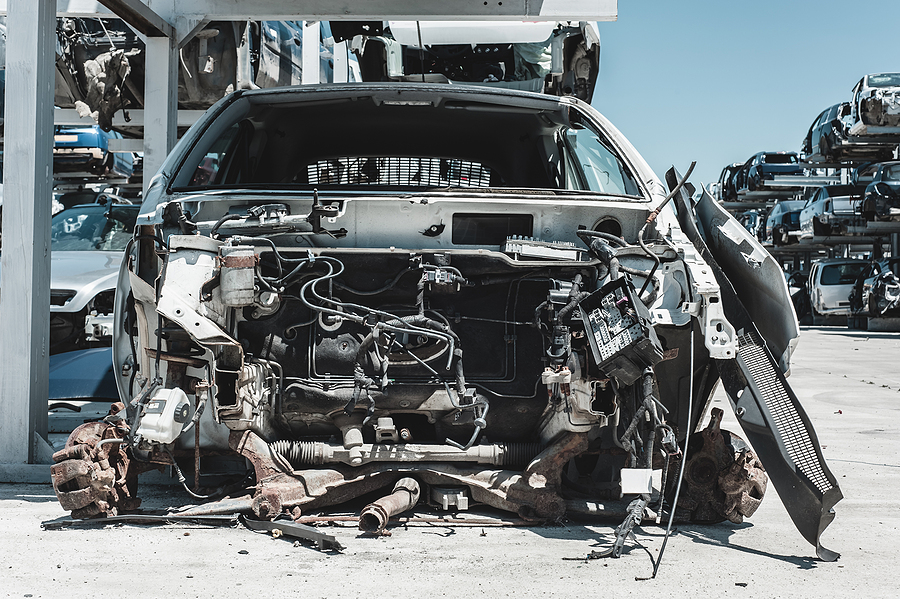
Neglecting brake maintenance can have severe consequences, including accidents and a totaled car. If the cost to repair a vehicle is more than the vehicle’s actual cash value, it will likely be deemed a total loss by the insurance company. If you do not have car insurance, you can sell your totaled vehicle to a local auto salvage yard in which junk car buyers pay cash for all scrap vehicles.

Brake failure is a leading cause of collisions, as it prevents drivers from stopping or slowing down effectively. By ignoring warning signs or delaying repairs, you’re putting yourself and others at risk. By staying proactive, you can ensure your brakes remain in top condition and reduce the likelihood of accidents. Investing in brake maintenance is not only essential for your safety but also for the well-being of others on the road.

Conclusion

Proper brake maintenance is essential for ensuring your vehicle’s safety and performance. By understanding how brakes work, recognizing signs of wear, and performing regular maintenance, you can extend the life of your brakes and prevent costly repairs.

Don’t wait for warning signs to become serious issues. Schedule a professional brake inspection today to keep your vehicle in peak condition. Remember, investing in brake maintenance now can save you money and ensure your safety on the road.

If you have a totaled car to sell, we can give you the best price in Cincinnati, Ohio. Contact GC’s Junk Cars at 513-991-4776 today and we’ll provide a free, no-obligation quote for your junk car! We look forward to helping you get cash for your total loss car today.

Related Posts:

What to Do if You Cannot Pay $5000 to Replace a Blown Car Engine
When Repairs Break the Bank: The Hidden Costs of Car Breakdowns
Keep an Eye Out for These 3 Common Auto Repair Shop Scams

From Trash to Treasure: Top Factors that Influence Junk Vehicle Value

Navigating the world of junk vehicles can be daunting. But if you’re a junk car owner, understanding the factors that influence your vehicle’s value can help you turn trash into treasure. Whether you own a junk car, junk truck, or a totaled vehicle, this blog post will guide you through the essential aspects of assessing and maximizing your vehicle’s worth.

Call 513-991-4776 if You are Looking for Junk Vehicle Buyers in Cincinnati Ohio

Factors that Influence Junk Vehicle Value

Understanding the factors that influence your junk vehicle’s value is crucial for obtaining a fair price. Elements such as the make and model, overall condition, mileage, and current market demand all play significant roles. Additionally, knowing whether your vehicle has any salvageable parts can also impact its worth. By being informed about these aspects, you can negotiate effectively and ensure you receive a price that reflects the true value of your vehicle.

Vehicle Condition

The condition of your vehicle, both physical and mechanical, is a primary factor in determining its value. A well-maintained junk car will fetch a higher price compared to one that’s been neglected. Repairing minor issues, like fixing broken taillights or replacing worn-out tires, can also boost your car’s worth.

  • Physical Condition: A vehicle with fewer dents, rust, and a well-preserved interior is more valuable. Buyers often look for cars that require minimal refurbishing.
  • Mechanical Condition: If the engine or transmission is still functioning, even partially, it can significantly increase the junk car value.

Demand for Parts

The demand for used car parts from your particular make and model will impact the value of your junk car. Popular models with high demand for parts will naturally be more valuable. So, staying informed about which parts are in demand can help you make a more educated selling decision.

  • Popular Models: Vehicles like Honda Civics and Toyota Camrys have a high demand for parts, which can elevate their junk car value.
  • Rare Parts: Certain rare parts can be worth more, even if the overall vehicle is not in great condition.

Scrap Metal Prices

Scrap metal prices fluctuate based on market conditions. The value of your junk car is partly determined by the current scrap metal prices. Simply contact some local Indianapolis scrap yards to get an idea of current scrap car prices.

  • Market Trends: Keep an eye on the market trends for metals like steel, aluminum, and copper.
  • Weight of the Vehicle: Heavier vehicles will have more metal to scrap, increasing the overall junk car value.

Age and Mileage

The age and mileage of your vehicle play a significant role in determining its value. Older cars with higher mileage typically have lower junk vehicle value. A newer vehicle with low mileage can fetch a higher price, even if it’s considered a junk car.

  • Age: Newer models tend to have parts that are still in good working condition, thus increasing their value.
  • Mileage: Lower mileage indicates less wear and tear, making the vehicle more valuable.

How to Assess Your Vehicle’s Worth

DIY Inspection Tips

Conducting a preliminary inspection yourself can give you a rough idea of your vehicle’s worth. Use these DIY tips to get a general sense of your vehicle’s condition before seeking professional advice:

  • Exterior Check: Look for rust, dents, and other damage. Take note of the overall condition of the paint and bodywork.
  • Interior Check: Assess the condition of the seats, dashboard, and electronics. Functional interiors add value.
  • Mechanical Check: Test the engine, transmission, and brakes. Even minor functional components can enhance the junk car value.

Online Tools and Resources

Several online tools and resources can help you determine the fair market value of your junk car. These resources can provide a more accurate estimate of what your vehicle is worth:

  • Kelley Blue Book: Provides estimates for used cars, including those considered junk vehicles.
  • Edmunds: Offers a detailed valuation based on various factors, including condition and mileage.
  • Online Forums: Join forums and communities where junk car owners share their experiences and tips.

Steps to Increase Your Vehicle’s Worth

Basic Repairs and Maintenance

Investing in minor repairs and maintenance can significantly boost your vehicle’s value. Spending a little on basic upkeep can yield a higher return when selling your junk car. Here’s what to consider:

  • Fluid Top-Up: Ensure that fluids like oil, coolant, and brake fluid are at optimal levels.
  • Minor Repairs: Fix small issues like broken lights or faulty wipers.
  • Cleaning: A clean, well-presented vehicle is always more appealing to buyers.

Selling Whole vs. Selling for Parts

Deciding whether to sell your vehicle as a whole or for parts can impact its value. Assess the demand for parts and the condition of your vehicle to make an informed decision.

  • Whole Vehicle: Selling the vehicle as a whole is less time-consuming but may fetch a lower price.
  • Parts: Dismantling the vehicle and selling parts individually can be more profitable.

Choosing the Right Buyer

Finding the right buyer can make a significant difference in the price you get for your junk car. Be sure to take your time researching potential buyers to find the best deal. Here are your top options:

  • Private Buyers: Often difficult and risky to work with, especially if they are looking for cheap parts for a similar vehicle.
  • Junk Car Buyers: Dedicated buyers specialize in purchasing junk vehicles and may offer competitive rates. They often work at auto salvage yards.
  • Auto Salvage Yards: Convenient option if you want a quick and hassle-free sale. These complexes are generally operated by car recyclers and scrap car buyers.

Environmental and Legal Considerations

Tips for Environmentally Friendly Junking

Disposing of your junk car responsibly is essential for environmental sustainability. Choosing Eco-friendly disposal methods can also be a selling point for environmentally conscious buyers. Here are some considerations:

  • Recycling: Ensure that the metal, plastic, and other materials are recycled properly.
  • Fluids: Dispose of fluids like oil and coolant in an environmentally friendly manner.
  • Parts: Donate or sell reusable parts to reduce waste.

Understanding Legal Requirements for Vehicle Disposal

Complying with legal requirements is crucial when junking your vehicle. Being aware of and adhering to legal requirements can prevent potential complications. Here are just a few:

  • Title Transfer: Ensure that the title is transferred to the buyer to avoid future liabilities.
  • Registration: Cancel the vehicle’s registration to prevent ongoing fees.
  • Insurance: Notify your insurance company to cancel the policy and avoid unnecessary payments.

Conclusion

Understanding the factors that influence junk vehicle value is essential for making informed decisions. By assessing your vehicle’s worth, making minor repairs, and choosing the right buyer, you can maximize its value. Additionally, considering environmental and legal aspects ensures a responsible and hassle-free process.

Whether you’re dealing with a junk car, truck, or totaled vehicle, the insights provided here can help you turn your trash into treasure. Don’t hesitate—contact your local auto salvage yard today to get paid cash for junk cars.

Now that you know just how much you can make from selling a scrap car, give us a call! Contact GC’s Junk Cars at 513-991-4776 today and we’ll provide a free, no-obligation quote for your junk car! We look forward to helping you get cash for your junk car today.

Related Posts:

Understanding Junk Car Value: Market vs. Actual Cash vs. Salvage
How the Scrap Metal Market Impacts the Value of Junk Cars
Unlocking the Hidden Value of Your Junk Motorcycle

Essential Guide to Scrapping an End of Life Vehicle

As vehicles age and reach the end of their lifecycle, owners often face a dilemma about what to do with them. Scrapping end-of-life vehicles not only helps you unlock value but also offers significant environmental benefits. In this comprehensive guide, we’ll walk you through the essential tips and advice for scrapping your junk car.

Call 513-991-4776 to Get in Touch With a Scrap Car Buyer in Cincinnati OH

The 101 on Scrapping End-of-Life Vehicles

Scrapping an old, totaled, or abandoned “fixer-upper” car can be an environmentally responsible and financially rewarding decision. The process involves dismantling the vehicle, recycling its usable parts, and disposing of hazardous materials properly. By scrapping your junk car, you contribute to reducing waste and promoting recycling while earning some money in the process.

The Value of a Junk Car

Before you scrap your vehicle, it’s crucial to understand the factors that determine its value:

  • Age: Older cars may have less value due to outdated technology and wear and tear.
  • Condition: A car in better condition, even if not running, may fetch a higher price due to salvageable parts.
  • Make and Model: Some brands and models are more sought after for specific parts.
  • Weight: The weight of the vehicle often determines its scrap metal value.

Preparing Your Junk Car for Scrapping

To ensure a smooth scrapping process, follow these preparation tips:

  • Remove Personal Belongings: Check every compartment, including the trunk and glove box, for personal items. This includes garbage.
  • Take Out Aftermarket Parts: If you have aftermarket parts or supplies, such as GPS units or roadside assistance kits, take them out.
  • Drain Fluids: Empty the car of fuel, oil, and other hazardous fluids. Many scrap yards offer services to handle this, but it’s good to check beforehand.
  • Cancel Insurance and Registration: Contact your insurance provider to cancel the policy and inform the DMV to avoid future liabilities.

How to Select the Right Auto Scrap Yard

Selecting the best scrap yard is crucial for getting the best value and ensuring environmental responsibility:

  • Price: Get multiple quotes to find the best offer. Some yards might offer higher rates for specific makes and models.
  • Convenience: Consider yards that offer free towing services to make the process hassle-free.
  • Environmental Responsibility: Choose facilities that follow eco-friendly practices for recycling and waste disposal.

The Junk Car Scrapping Process

Here’s what you can expect when scrapping your vehicle:

  1. Get a Quote: Contact various auto scrap yards for estimates.
  2. Schedule a Pickup or Drop-Off: Arrange for the vehicle to be towed or drive it to the yard if it’s still operational.
  3. Inspection: The scrap yard will inspect the vehicle and confirm the quote.
  4. Payment: Once everything is verified, you’ll receive payment on the spot or via mail.
  5. Dismantling: The yard will dismantle the car, recycle parts, and properly dispose of hazardous materials.

Legal and Documentation Requirements

Scrapping a vehicle involves various legal and documentation steps:

  • Title Transfer: Ensure you have the car title and complete the transfer to the junk car buyer.
  • Bill of Sale: Some states require a bill of sale documenting the transaction.
  • Cancellation of Registration: Inform the DMV to update their records and avoid future liabilities.
  • Compliance with Local Regulations: Familiarize yourself with local laws regarding vehicle scrapping to avoid legal issues.

Environmental Impact of Scrapping

Scrapping end-of-life vehicles has substantial environmental benefits:

  • Recycling: Up to 95% of a car can be recycled, reducing the need for new raw materials.
  • Reduction of Waste: Proper disposal prevents hazardous substances from contaminating soil and water.
  • Energy Savings: Recycling metals uses significantly less energy compared to producing new metals from raw ores.

Conclusion and Next Steps

Scrapping your junk car is a responsible and rewarding way to dispose of an end-of-life vehicle. From understanding its value to choosing the right scrap yard, this guide has provided you with the essential tips for a successful scrapping process. If you’re ready to unlock the value of your junk car, contact your local auto salvage yard today for the highest payout.

By following these tips and advice, you’ll not only ensure a smooth transition but also contribute positively to the environment. So, take the next step and turn that old car into cash while making a green choice for our planet.

Got a clunker you want to get rid of for some instant cash? For more information or to get started, reach out to GC’s Junk Cars at 513-991-4776, today. We offer free towing for scrap vehicles and pay cash on the spot. So, let our Cincinnati junk car buyers make your scrapping experience seamless and beneficial!

Related Posts:

Turn Your Trash into Cash: Finding the Perfect Junk Car Buyer
4 Reasons Why You Should Sell Your Junk Car
FAQS That Start With ‘Can I Sell My Junk Car if’

Understanding Junk Car Value: Market vs. Actual Cash vs. Salvage

Owning a car can be an exhilarating experience, but as time goes by, that beloved vehicle may become less reliable and eventually need to be scrapped. When the inevitable day comes, understanding the different values associated with your junk car can make all the difference in getting the most out of it.

Whether you’re a car owner, a driver, or someone who has survived a car wreck, grasping the distinctions between market value, actual cash value (ACV), and salvage value is crucial. In this blog post, we’ll demystify these terms, explain how they apply to junk cars, and offer tips on maximizing your car’s value.

Call 513-991-4776 to Request a Free Junk Car Appraisal in Cincinnati Ohio

When Junk Car Values Become Relevant to Drivers

Imagine this scenario: you’ve been in a car accident, and your vehicle is considered a total loss. Or perhaps your old car has simply reached the end of its life and is no longer worth repairing. In such situations, knowing the value of your junk car can help you make informed decisions about selling it or claiming insurance. Let’s go through the various types of car values, how they are calculated, and their relevance in the context of junk cars.

Defining Car Valuation Systems

Fair Market Value

Market value refers to the price at which a vehicle would sell in the open market. It is the value agreed upon between a willing buyer and a willing seller, neither being under any pressure to buy or sell. Market value takes into account factors such as the car’s make, model, age, mileage, condition, and current market trends. Websites like Kelley Blue Book or Edmunds can provide estimates of a car’s market value based on these criteria.

Actual Cash Value (ACV)

Actual cash value (ACV) is the amount your insurance company would pay you if your car is declared a total loss after an accident or other damage. ACV is calculated by determining the car’s market value and then subtracting depreciation. Depreciation accounts for factors like wear and tear, previous accidents, and overall aging. Essentially, ACV represents the car’s market value at the time of the loss, minus depreciation.

Salvage Value

Salvage value is the estimated amount that can be recovered from a vehicle when it is no longer functional and is sold for its parts or scrap metal. This value is typically much lower than both market value and ACV, as it only considers the remaining usable parts or recyclable materials. Salvage value is often determined by auto salvage yards or junk car buyers who assess the vehicle’s condition and potential for parts recovery.

How These Valuations Apply to Junk Cars

When it comes to junk cars, understanding these values is paramount for making informed decisions:

Market Value: While it’s not common to sell junk cars at market value, knowing this figure gives you a baseline for what the car might be worth if it were still in good condition.

Actual Cash Value (ACV): If your car is totaled in an accident, your insurance company will use the ACV to determine your payout. This is particularly relevant for car wreck survivors who need to settle insurance claims.

Salvage Value: For cars that are no longer roadworthy, salvage value becomes the primary focus. Junk car buyers and auto salvage yards will offer you a price based on this value, which depends on the condition of the parts and the car’s scrap metal weight.

Factors That Influence Each Value

Several factors can affect the market value, ACV, and salvage value of a car:

Market Value Factors:

  • Make and Model: Popular and high-demand models typically have higher market values.
  • Age and Mileage: Newer cars with lower mileage tend to have higher market values.
  • Condition: Well-maintained cars with minimal damage have higher market values.
  • Features and Upgrades: Additional features or aftermarket upgrades can increase market value.
  • Market Trends: Seasonal trends and market demand can influence a car’s market value.

Actual Cash Value (ACV) Factors:

  • Depreciation: The rate at which a car loses value over time due to wear and tear.
  • Previous Damage: Past accidents or repairs can lower a car’s ACV.
  • Overall Condition: The car’s current state, including mechanical issues and cosmetic damage.

Salvage Value Factors:

  • Parts Condition: Usable and in-demand parts can increase salvage value.
  • Scrap Metal Prices: The current market rate for scrap metal significantly influences salvage value.
  • Vehicle Weight: Heavier vehicles typically have higher salvage values due to the amount of scrap metal they contain.

Tips for Maximizing Scrap Car Value

If you’re looking to get the best value for your junk car, here are some practical tips:

  • Repair Minor Issues: Fixing minor mechanical issues or cosmetic damage can increase both market value and ACV.
  • Keep Records: Maintain detailed service records and receipts for repairs. This documentation can help justify a higher value.
  • Compare Offers: Get quotes from multiple junk car lots to ensure you’re getting the best price.
  • Negotiate: Don’t be afraid to negotiate with the junk car buyer. Use your knowledge of the car’s values to support your case.
  • Sell Parts Separately: If feasible, consider selling valuable parts separately before selling the car for scrap. This can sometimes yield a higher overall return.

Conclusion

Understanding the differences between market value, actual cash value, and salvage value is essential for car owners, drivers, and car wreck survivors. These values play a crucial role in making informed decisions about selling a junk car or settling insurance claims. By knowing what factors influence each value and following practical tips to maximize your car’s worth, you can ensure you get the best possible outcome.

Ready to sell your junk car for cash? Contact GC’s Junk Cars at 513-991-4776 to sell a salvaged car to a trusted junk car buyer in Cincinnati, Ohio. Our team of experts is here to help you get the best value for your vehicle. Don’t wait—turn your junk car into cash now!

Related Posts:

A Comprehensive Guide to Ohio’s Car Title Regulations
Your Options After Totaling a Vehicle
8 Ways to Save Money on Car Insurance

Navigating the Road Ahead: A Complete Guide to Total Loss Vehicles

In the blink of an eye, a car accident can change a carefree drive into a whirlwind of confusion and decisions. For many, this means confronting the realm of total loss vehicles — a term often misunderstood and yet profoundly decisive for those in its wake.

If you’ve recently had your car declared a total loss, or are unsure what to do if you find yourself in this situation, the path forward can seem as shrouded as the accident itself. Fear not, for this complete guide is crafted to illuminate the path, offering clarity and actionable insights for navigating the labyrinth that is a total loss vehicle.

Call 513-991-4776 if You Wish to Sell a Totaled Car to Our Junkyard in Cincinnati Ohio

Understanding Total Loss Vehicles

Total loss vehicles, often abbreviated as “totaled cars,” are more than mere buzzwords; they’re poignant indicators of a significant shift in your vehicle’s status. But what exactly does “total loss” entail? How is it determined, and what values come into play?

A total loss vehicle is a car, truck, or motorcycle that has been damaged to the extent that the costs to repair it exceed a certain percentage of the vehicle’s total worth, as defined by insurers and statutes. This percentage varies by state and insurer but typically hovers around the 75% to 90% range of the vehicle’s pre-accident value.

Deeper into Junk Car Values: Market, Cash, and Salvage

To truly grasp the gravity of a total loss declaration is to comprehend the triad of values that insurers and car owners must contend with. Understanding these valuations arms you with the knowledge needed to negotiate your claims and consider your options prudently.

Actual Cash Value (ACV): Before the accident, your car had a market value — the amount it could reasonably be sold for, the ACV. This value is the insurer’s baseline for assessing the loss.

Fair Market Value (FMV): Similar to ACV, but it often accounts for external market changes, such as the seasonal fluctuation of car prices or a spike in demand for certain vehicles.

Salvage Value: The worth of your vehicle in its current state, essentially its ‘as is’ condition. If you choose to keep your totaled-out car, insurers may deduct this value from your settlement.

What to Do When Your Car is Declared a Total Loss

The path forward from a total loss declaration is rife with decision points. By moving through these steps thoughtfully, you ensure that your path is directed by your informed decisions. Here’s a comprehensive walk-through.

Noteworthy Steps Post-Total Loss Declaration

Alert Your Insurer: The first step after an accident is typically notifying your insurer. Prompt communication allows the claims process to begin, and you can relay the specifics of the accident, the damage to your car, and any injuries.

Vehicle Pickup: Decide whether you will retain your vehicle or relinquish it to your insurer. If the former, verify the process and any associated storage costs.

Settlement Offers: Be prepared for the initial settlement offer but also understand that this is not necessarily final. Insurance companies are open to discussions, and you should not feel pressure to accept the first offer.

Release and Property Transfer: If you accept the settlement, you will likely be required to transfer the car’s title to the insurer. This often involves signing a release form that closes out the claim.

The Process of Selling a Totaled Car

You’ve decided to part ways with your total loss vehicle, and you have options. Understanding the nuances of each option can greatly impact the outcome of your transaction. Here’s how to engage in a sales process that’s both productive and mindful of your opportunities.

Step-by-Step Guidance for Vehicle Disposal

Private Sale: If your car is deemed a total loss but still has components or historical value, consider selling it privately. This route can yield more than a sale to a junkyard, but it does require a willing buyer and a sense of the car’s residual worth.

Selling to a Junkyard: The more common path post-total loss is to sell your car to a junkyard that specializes in junk cars. Look for ‘junk car buyers’ or ‘auto scrapyards’ online. They’ll typically offer the salvaged price upon inspection and usually provide free towing services as part of the deal.

Vehicle Donation: An altruistic path that could also offer a tax deduction. Once you donate, the charity will often sell the vehicle to a junkyard or salvage dealer.

Navigating Insurance Claims for Total Loss Vehicles

The interaction with your insurance company post-total loss speaks volumes about the path your claim will take. Arm yourself with the knowledge of the ins and outs.

Claim Process Insights

Recording the Damage: Take ample photos and notes of the crash scene and your vehicle’s condition. These are your documented evidence to support your claim.

Claim Financing: Depending on the circumstances of the accident, different elements of your coverage may come into play. Understanding the terms of your policy and how they apply is crucial.

The Human Element: Don’t underestimate the power of clear, respectful communication with your adjuster, who’s often working within a framework governed by company policies and legal parameters.

Recognize the negotiation power you hold and deploy it strategically during these key discussions.

Legal and Financial Implications of Owning a Total Loss Car

The road after your car’s total loss interception avoided holds complexities that demand attention.

Salvage Titles and Ownership: A salvage title is a branding that denotes a car has been severely damaged. While it doesn’t mean the car is illegal to drive or insure, it can reduce its resale value and affect its insurability.

The Diminished Value Conundrum: Even when fully repaired, a car that’s been declared a total loss could suffer from diminished value, a concept referring to the perceived worth of the car being lower due to its accident history. This can be a point of contention in settlements with insurers.

Understanding these implications arms car owners with the foresight needed to approach the next stages of their car ownership or sales process.

Conclusion

The road of the total loss vehicle is undeniably one fraught with potholes and forks, but with this comprehensive guide, every car owner can steer through the process confidently. Remember, the value of your vehicle does not diminish the importance of your safety and peace of mind. Assess your options, understand your claim, and enter the post-accident period with a sense of control and direction that will carry you through to the next chapter of your driving life.

For more immediate assistance, consider consulting with local experts, such as your trusted mechanic or an attorney specializing in vehicle accidents. Their expertise can be invaluable as you chart the best course for your particular circumstance. Finally, if your ultimate choice is to sell your totaled car, consider the expedient and practical solution of reaching out to local junk car buyers, where you can often find an offer for cash on the spot, helping to close this chapter with a concrete and satisfying resolution.

Looking for a junkyard in Cincinnati that will pay you the most money for your total loss vehicle and tow it away for free? Here we are! Contact GC’s Junk Cars at 513-991-4776 today and we’ll provide a free, no-obligation quote for your junk car! We look forward to helping you get cash for your junk car today.

Related Posts:

A Comprehensive Guide to Uninsured Car Accidents
Turn Your Trash into Cash: Finding the Perfect Junk Car Buyer
How Much Money Can I Sell a Junk Car For?

How the Scrap Metal Market Impacts the Value of Junk Cars

For owners of junk, wrecked, or totaled cars, finding the silver lining when it comes to the value of these non-running vehicles is a common concern. More often than not, the underlying force dictating the cash they’ll receive from selling these vehicles is the scrap metal market.

This blog delves into the crux of the scrap metal market’s relationship with the value of junk cars and provides insight into maximizing returns from what many consider mere automotive remnants.

Call 513-991-4776 to Scrap a Car Near Cincinnati Ohio

Understanding the Scrap Metal Market

Before we can understand how the scrap market influences the value of your clunker, let’s unravel the mechanisms of the market itself:

Factors Influencing Scrap Metal Prices

Scrap metal prices are susceptible to a myriad of factors, including but not limited to global demand, the condition of the metal, and the cost of energy needed to repurpose the metal. Additionally, geopolitical events can have sweeping effects on the scrap metal trade, influencing availability and price.

Supply, Demand, and Scrap Metal Value

Like any commodity, scrap metal is governed by the laws of supply and demand. When construction and manufacturing rev up, so does the demand for metal, bolstering prices. Conversely, in economic slowdowns, decreased demand can lead to an overabundant supply and lower prices.

“Sandra Jones, an experienced Auto Appraiser, succinctly puts it: ‘Scrap metal prices are the bedrock of the junk car market, dictating its peaks and troughs.’ These fluctuations in the market directly reflect on the amount you’re likely to be offered for a junk car.

Determining the Value of Junk Cars

Your junk car’s worth is intrinsically linked to the going rate of scrap metal. However, other factors play a significant role, including:

The car’s make, model, and year: These can determine the quality and quantity of metal and potentially valuable parts.

Current scrap metal prices: Knowing the prevailing rates can help set expectations.

Condition and location of the car: These can impact the value as well, since proximity to a salvage yard could reduce towing costs.

Trends in the Scrap Metal Market

Keeping a close eye on industry trends is absolutely crucial for anyone who is looking to sell their junk car. By staying well-informed about the latest developments and market demands, you can ensure that you are making informed decisions and maximizing the value of your vehicle. Such trends include:

Technological advancements: Innovations in recycling can increase efficiency, potentially driving prices down.

Environmental concerns: Legislation aimed at reducing waste can increase the demand for recycled materials, influencing market prices.

Understanding these nuances and staying informed can arm car owners with the knowledge needed to make opportune selling decisions.

Tips for Maximizing the Value of Your Junk Car

Now that we’ve uncovered how scrap metal values can affect the overall price of junk cars, let’s explore how one might maximize their junk car’s value in a fluctuating market.

⇒ Time your sale: Monitor metal prices and industry news to choose the best time to sell.
⇒ Haggle wisely: Use your fresh understanding of the market to negotiate a better price.
⇒ Salvage valuable parts: Selling parts separately might yield a higher cumulative return.
⇒ Choose the right junk car buyer: Some salvage yards may offer better rates than others.

In Summary

Grasping the ebb and flow of the scrap metal market is paramount for junk car owners looking to extract value from their vehicular investments. By understanding this niche market’s nature, keeping abreast of trends, and applying savvy selling tactics, owners of wrecked, totaled, or otherwise defunct cars can navigate the market confidently and profitably.

Are you ready to turn your scrap car into cash? Just contact GC’s Junk Cars at 513-991-4776 and get paid cash on the spot by our trusted junk car buyers in Cincinnati, Ohio. We accept all make and model vehicles, regardless of condition. We also provide free junk car removal!

Related Posts:

How to Determine the Actual Cash Value of Your Junk Car
Industry Insights: The Growing Market for Junk Car Parts
What to Consider When Selling Your Junk Car

Profit from Your Pile-up: A Definitive Guide to Junk Car Selling

Getting rid of an old, broken down vehicle can feel like a daunting task. But what if you could turn that pile of junk into a pile of cash? Welcome to the world of junk car selling, a lucrative opportunity waiting right in your garage. This definitive guide will walk you through the process of selling your junk car, from assessing its value to finding the right buyer.

It’s time to delve into the less-explored avenue of making profits from your old junker, and we’re here to help you navigate the journey. So, buckle up and let’s explore the potential goldmine that is your junk car.

Call 513-991-4776 if You are Looking for Professional Scrap Car Buyers in Cincinnati Ohio

What’s the Value of Your Junk Car?

Before diving into selling your junk car, it’s important to know its worth. Depending on the make, model, and condition of your vehicle, you could be sitting on a good chunk of change. To determine the value of your car, start by researching similar vehicles in your area and their asking prices. This will give you a general idea of how much you can expect to make from your car.

Another factor to consider is the weight of your vehicle. Most junk car buyers will pay based on the weight of the metal, so if you have a heavier vehicle, you may be looking at a higher payout. It’s also important to note that certain parts of your car may hold more value, such as the engine or transmission, so be sure to assess those separately.

Finding the Right Junk Car Buyers

Now that you know the actual cash value of your junk car, it’s time to find a buyer. There are several options when it comes to selling your junk car, each with their own pros and cons. You can choose to sell directly to an individual buyer, list it on an online marketplace, or work with a junk car buying company.

Selling directly to an individual buyer may offer the highest payout, but it also requires more effort and time on your part. You’ll have to advertise your car, negotiate with potential buyers, and handle all the paperwork. Selling on an online marketplace can be a bit easier, but you still have to deal with potential buyers and the hassle of scheduling meetups.

Working with a reputable and professional junk car buying company, such as GC’s Junk Cars in Cincinnati, can offer maximum convenience and efficiency. They will typically provide you with an instant phone quote for your vehicle and handle all the paperwork and towing. Plus, they often work on a “no haggle” policy, meaning you won’t have to negotiate for a fair price. Here at GC’s, we also offer free junk car removal!

Preparing Your Junk Car for Sale

Before finalizing the sale of your junk car, it’s important to properly prepare it for its new owner. This includes cleaning out any personal belongings and removing license plates. It’s also a good idea to gather all the relevant paperwork, such as the vehicle title and maintenance records, to make the sale process smoother. Once your car is ready to go, you can arrange for it to be picked up or dropped off at a junkyard or by a towing company. Just be sure to have all the necessary paperwork and keys ready when the buyer arrives.

Conclusion

Selling your junk car may seem like a daunting task, but with the right knowledge and approach, it can be a profitable venture. By understanding the value of your car, finding the right buyer, and properly preparing it for sale, you can turn that pile of junk into a pile of cash. So don’t let your old vehicle collect dust in your garage any longer – start exploring the world of junk car selling and see how much profit you can make from your pile-up. 

Now, go ahead and take the first step towards turning your scrap vehicle into a valuable asset. Contact GC’s Junk Cars at 513-991-4776 today and we’ll provide a free, no-obligation quote for your junk car! We look forward to helping you get cash for your junk car today.

Related Posts:

What to Consider When Selling Your Junk Car
A Comprehensive Guide to Ohio’s Car Title Regulations
Unlocking the Tax Benefits of Junk Cars

Automotive Recycling: An Eco-Friendly Approach to Waste Management

In our quest to build a greener planet, an often overlooked yet crucial domain is automotive recycling. This is not only a sustainable strategy to manage vehicular waste but also promotes resource conservation in the automotive manufacturing sector. With millions of vehicles reaching the end of their life cycle each year, automotive recycling presents a unique, Eco-friendly approach to waste management, turning scrap auto parts into valuable resources.

This blog post will delve into the world of automotive recycling, highlighting the roles of automotive recyclers and the environmental implications of repurposing scrap auto parts. Join us as we explore how this Eco-conscious practice is driving us towards a sustainable future.

Call 513-991-4776 to Speak With Our Automotive Recyclers in Cincinnati Ohio

The Importance of Automotive Recycling

Automotive recycling is the process of dismantling, recovering, and reusing end-of-life vehicles or their parts. This practice not only reduces the amount of waste produced by retired vehicles but also minimizes the need for new raw materials in automotive manufacturing. According to the Automotive Recyclers Association (ARA), approximately 80% of a vehicle can be recycled, making automotive recycling one of the most efficient and environmentally friendly waste management solutions.

The Role of Automotive Recyclers

Automotive recyclers play a significant role in the junk car and car part recycling process. These professionals are responsible for dismantling end-of-life vehicles and sorting the various parts for reuse or recycling. Through their expertise, they ensure that valuable materials such as steel, aluminum, and other metals are reused instead of ending up in landfills. They also safely dispose of hazardous materials found in vehicles, such as batteries, Freon, and oil, preventing potential environmental pollution.

Repurposing Scrap Car Parts

One of the primary benefits of automotive recycling is the repurposing of scrap auto parts into valuable resources. For instance, steel from retired vehicles can be recycled and used to manufacture new car frames, while aluminum can be melted down and repurposed for various uses. This not only reduces the need for new raw materials but also conserves energy and reduces CO2 emissions involved in the production of new parts.

Best Auto Parts to Recycle:

Junk Cars  – Junk cars are worth a whole lot of cash. And professional auto scrappers will provide free junk car removal, which means more money in your pocket. Other junk car buyers and auto salvage lots might charge you for this service, or quietly deduct it from whatever cash offer they gave you at the time of estimate.

Batteries – Recycling car batteries is one of the best ways to help reduce the amount of waste in landfills. Car batteries contain a variety of toxic materials, including lead and sulfuric acid, which can leak into the soil and water if not disposed of properly. By recycling old car batteries, you can help keep these materials out of landfills and ensure that they are recycled safely.

Tires – Tires are another great item to recycle at a scrap yard. Old tires can take up a lot of space in landfills and can also be difficult to break down naturally. Recycling tires helps to reduce the amount of space used in landfills and also helps to keep them from ending up as litter on roads or other areas where they could be hazardous.

Oil Filters – Oil filters are another great item to recycle as they contain a variety of metals and other materials that can be reused or recycled. Oil filters should always be drained before being recycled as they often contain residual oil, which is hazardous if it leaks out into the environment.

Brake Pads – Brake pads are made from a variety of materials, including rubber, metal, and plastic, all of which can be recycled at an auto scrap yard. Recycling brake pads helps to reduce the amount of waste going into landfills while also helping to preserve natural resources by reducing the need for new materials to make replacement brake pads.

Environmental Advantages

Apart from reducing waste and promoting resource conservation, automotive recycling also has significant environmental advantages. By diverting waste from landfills, it reduces the amount of greenhouse gases produced and minimizes soil and water pollution. Additionally, since automotive recycling uses less energy compared to manufacturing new parts from raw materials, it also helps reduce carbon emissions.

Final Thoughts

In conclusion, automotive recycling is an essential aspect of waste management that promotes a more sustainable future. As consumers, we can support this Eco-friendly approach by choosing to recycle our end-of-life vehicles and purchasing recycled auto parts whenever possible. By doing so, we can contribute to reducing waste, conserving resources, and preserving the environment for generations to come.

Ready to join the movement towards a greener planet through automotive recycling today? Contact GC’s Junk Cars at 513-991-4776 to recycle automotive scrap and junk cars in Cincinnati, Ohio. We offer free towing for scrap vehicles and pay cash on the spot!

Related Posts:

The Benefits of Auto Recycling for the Environment
Common Misconceptions About Auto Salvage
Where to Find the Best Cash For Cars Company in Ohio

Unlocking the Tax Benefits of Junk Cars

If your old clunker is just sitting and gathering dust in your garage, did you know it could potentially offer some significant tax benefits? While it might seem like an unlikely source of financial advantage, selling a junk car or donating it can indeed open up possibilities for tax write-offs.

This blog aims to shed light on the often overlooked tax benefits that come with disposing of your junk car. Whether you’re an individual seeking to maximize your tax deductions, or a car dealer looking to understand the potential tax benefits, keep reading to unlock a wealth of information.

Call 513-991-4776 for Profitable Junk Car Recycling Services in Cincinnati Ohio

How Selling a Junk Car Can Save You on Taxes

When it comes to paying taxes, every little bit helps. Fortunately, getting rid of your junk car can provide you with some much-needed tax relief. The following are the main ways in which selling, donating, and recycling a junk car can benefit you:

1. Tax Write-Offs for Donating Your Vehicle

Donating your junk car to a charitable organization is an easy way to reduce your tax bill. When you donate the vehicle, you can claim its fair market value as a deduction on your taxes. The fair market value refers to the amount for which you could sell the car in its current condition. To determine this amount, consider factors such as age, mileage, and overall condition of the vehicle. It’s essential to obtain a written acknowledgment from the charity for the donation, and you may also need to fill out Form 1098-C for non-cash charitable contributions on your tax return.

2. Deducting Car Expenses as Business Use

If you use your junk car for business purposes, such as using it to transport goods or for your job, you may be eligible to deduct the car expenses from your taxes. These expenses include gas, maintenance, repairs, and even insurance costs. However, it’s important to note that you can only deduct the percentage of expenses that corresponds with the business use of the vehicle. For example, if 50% of your car’s use is for business purposes, then you can only deduct 50% of the expenses.

Tips for Maximizing Tax Benefits

Now that you understand the potential tax benefits of selling your junk car, here are some tips to help you make the most out of it:

Keep detailed records: To claim any deductions, it’s important to have proper documentation. Make sure to keep receipts and records of all transactions, donations, and expenses related to your junk car.

Understand the rules: Tax laws can be complex, so it’s crucial to understand the specific rules and regulations surrounding tax benefits for junk cars. Consult with a tax professional if needed.

Pick the right charity: If you choose to donate your vehicle, make sure to select a reputable charity that will properly document your donation and provide you with the necessary paperwork for your taxes.

Consider timing: If you plan to sell or donate your junk car, consider doing it towards the end of the tax year. This will allow you to assess your potential deductions and make any necessary adjustments before filing your tax return.

Final Thoughts

Selling a junk car may not have been on your list of ways to save on taxes, but it’s definitely worth considering. Whether you donate your vehicle or use it for business purposes, there are potential tax benefits waiting to be unlocked. However, always make sure to follow the proper procedures and consult with a professional if needed. With the right knowledge and approach, getting rid of your old clunker could turn into a financially advantageous decision.  So, if you have a junk car taking up space in your garage, don’t hesitate to explore the potential tax benefits and make the most of it.

Now that you know more about the benefits of selling your junk car for cash, let us help you get started with our reliable and professional junk car buying services. Contact GC’s Junk Cars at 513-991-4776 today and we’ll provide a free, no-obligation quote for your junk car! We look forward to helping you get cash for your junk car today.

Related Posts:

The Benefits of Auto Recycling for the Environment
FAQS That Start With ‘Can I Sell My Junk Car if’
Can I Ask for Cash on the Spot When Selling a Junk Car?

To Repair or Not to Repair? Dealing with Total Loss Cars

When your beloved vehicle is involved in a serious accident, the aftermath can be confusing and stressful. One of the most significant decisions you might face is whether to repair your car or accept it as a total loss. In the insurance world, a car is deemed a total loss if the cost to repair it exceeds its actual cash value (ACV).

But is it worth fixing a so-called ‘total loss’ car, or are you better off selling it off as a junk car? This blog post aims to provide clarity on this challenging dilemma, exploring the factors you need to consider before taking a call on your junk car’s future.

Call 513-991-4776 to Sell a Totaled Car For Cash on the Spot in Cincinnati Ohio

If You Want to Repair a Total Loss Car

If your vehicle has been classified as a total loss, the first step should be to assess the damage. Get an estimate from a mechanic and make sure it is in line with what your insurance company has declared as its actual cash value. If you decide to repair the junk car despite being at a total loss, you will need to bring together funds and resources for the repairs. This could include your insurance provider, as well as money from other avenues such as personal funds or a credit card.

But before you decide to repair a total loss junk vehicle, be sure to consider the following points:

► Will repaired parts always be of the same quality as new ones?

► How much are you expected to pay out-of-pocket, and how much will insurance cover?

► How long do you plan to keep the car after repairs?

► Will you be able to resell it at a higher price than when it was totaled?

► Are there any risks associated with driving a car previously damaged in an accident (airbags deployed, structural integrity compromised, etc.)?

Don’t Want to Repair a Totaled Car?

If you think your vehicle is not worth repairing, then it’s best to sell it as scrap and use the money for something else. You can even donate the vehicle to a charity organization! The next step will be finding a potential Cincinnati junk car buyer who is willing to pay its market value despite its damaged condition. Once you identify interested parties, research them to make sure they are reputable and trustworthy.

Benefits of Selling a Totaled Car to an Auto Scrap Yard

Totaling a vehicle can be devastating – but there is a silver lining. Instead of leaving your totaled car to rot in your driveway, you can sell it to an auto scrap yard. Not only will you be able to free up space, but you’ll also be able to make a profit. Auto scrap yards are known for providing market-based payments for junk cars, making them a top choice for individuals looking to get rid of their wrecked rides. These junk car buyers specialize in dismantling wrecked vehicles, salvaging any still-functioning parts, and recycling all other materials. By choosing to sell your junked vehicle to an auto salvage yard, you’ll not only be doing yourself a favor, but you’ll also be making an Eco-friendly choice by reducing waste and promoting the reuse of materials.

Final Thoughts

Whether you go for repair or sale, the decision of what to do with your junk car should be based on your financial situation, a thorough assessment of the car’s damage, and the expectation of how long the vehicle will last. If you’re still finding it hard to decide whether to repair or not to repair a total loss car, consider seeking advice from an experienced auto mechanic.

If you are prepared to kick that totaled car to the curb, we can give you the best price in Cincinnati, Ohio. Contact GC’s Junk Cars at 513-991-4776 today and we’ll provide a free, no-obligation quote for your junk car! We look forward to helping you get cash for your total loss car today.

Related Posts:

What to Do if You Cannot Pay $5000 to Replace a Blown Car Engine
10 Creative Ways to Fund Your Car Repairs
How Much Money Can I Sell a Junk Car For?